
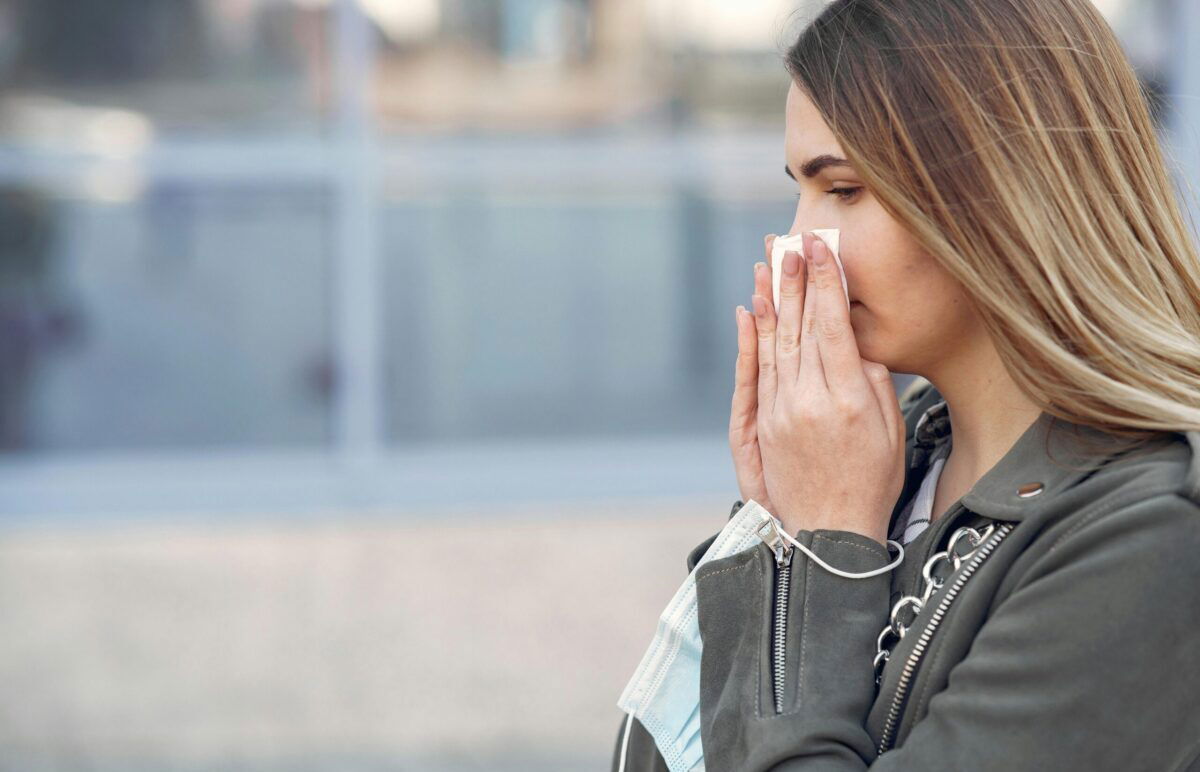
Pollen has been spreading heavily through the air in southern Spain.
Credit: Pexels
These months are proving tough for allergy sufferers across southern Spain — and for tourists planning their holidays in the country.
In recent weeks, olive tree pollen has been spreading heavily through the air, and it’s triggering intense symptoms in those affected by seasonal allergies.
Andalusia, one of the most popular holiday destinations for Europeans, was placed under red alert for olive pollen. And for those planning their summer holidays in Spain, it may be particularly challenging.
Red alert: Record high pollen levels
According to Spanish media, Malaga and nearly all of Andalusia are experiencing record levels of olive pollen. And experts say the pollen will remain high in several provinces throughout May and possibly into the summer months.
Andalusia, one of the world’s leading olive oil producers, is home to more than 70 million olive trees, making the region particularly vulnerable during pollen season. Typically, pollen levels peak in May — but this year, they’re exceptionally high.
But it’s not just olive trees causing trouble. Grass pollen (gramíneas) — the most common allergen behind hay fever — is also on the rise and is expected to reach peak levels in the second half of May, according to Europa Press.
Allergens by province
According to doctors Pilar Lara (Virgen Macarena Hospital in Sevilla) and Ignacio García (Quirónsalud Córdoba Hospital), cited by Europa Press, Sevilla, Cordoba and Jaen will be the most affected by both olive and grass pollen.
Meanwhile, coastal provinces such as Málaga, Cadiz, and Almería are also exposed to allergens like dust mites and humidity-related fungi. At the same time, strong inland winds can still carry pollen from olive-growing regions toward the coast, exacerbating symptoms.
Why this year it’s worse than ever
Dr. Lara explained that higher rainfall during March and April, followed by warm and sunny weather, has created perfect conditions for pollination:
“Our climate is a bit different and has become increasingly unpredictable in recent years due to the increased rainfall,” she said.
Those early rains have helped all plants thrive, and now, with higher temperatures in southern Spain, pollination is intensifying, she noted.
Watch out for these symptoms
Not everyone is aware of their allergies, but there will be signs. Typical allergy symptoms include nasal congestion, itchy or watery eyes, sneezing or coughing, along with asthma flare-ups.
The first step in tackling these symptoms is to simply avoid exposure. Experts said to limit outdoor activity especially on windy days or when the pollen count is high.
Air purifiers indoors and the old grandma trick — to keep windows closed during peak hours (usually morning and early evening) — are also helpful.
“Antihistamines and corticosteroid nasal sprays are safe”
There are additional ways to manage seasonal allergies. Antihistamines and corticosteroid nasal sprays can be taken daily throughout allergy season, according to Dr. Lara. She reassures that using these medications for a month or two is safe and effective.
The “allergy vaccine” option, meaning immunotherapy, is another strategy against allergens. This is the only treatment that tackles the root cause of allergies, not just treats the effects.
“It’s a long-term treatment lasting three to five years,” explained Lara. This option helps reduce symptoms, lowers dependence on medication, and can even reverse allergies in some cases.