
La Manga Infrastructure Overhaul Underway
SAN JAVIER is getting started on a new plan to improve infrastructure and transport in La Manga del Mar Menor. The council has launched a tender to draw up what it’s calling the ‘Special Infrastructure and Communications Plan for La Manga,’ aimed at tackling current needs and future growth in the area.
A unique coastal location facing big challenges
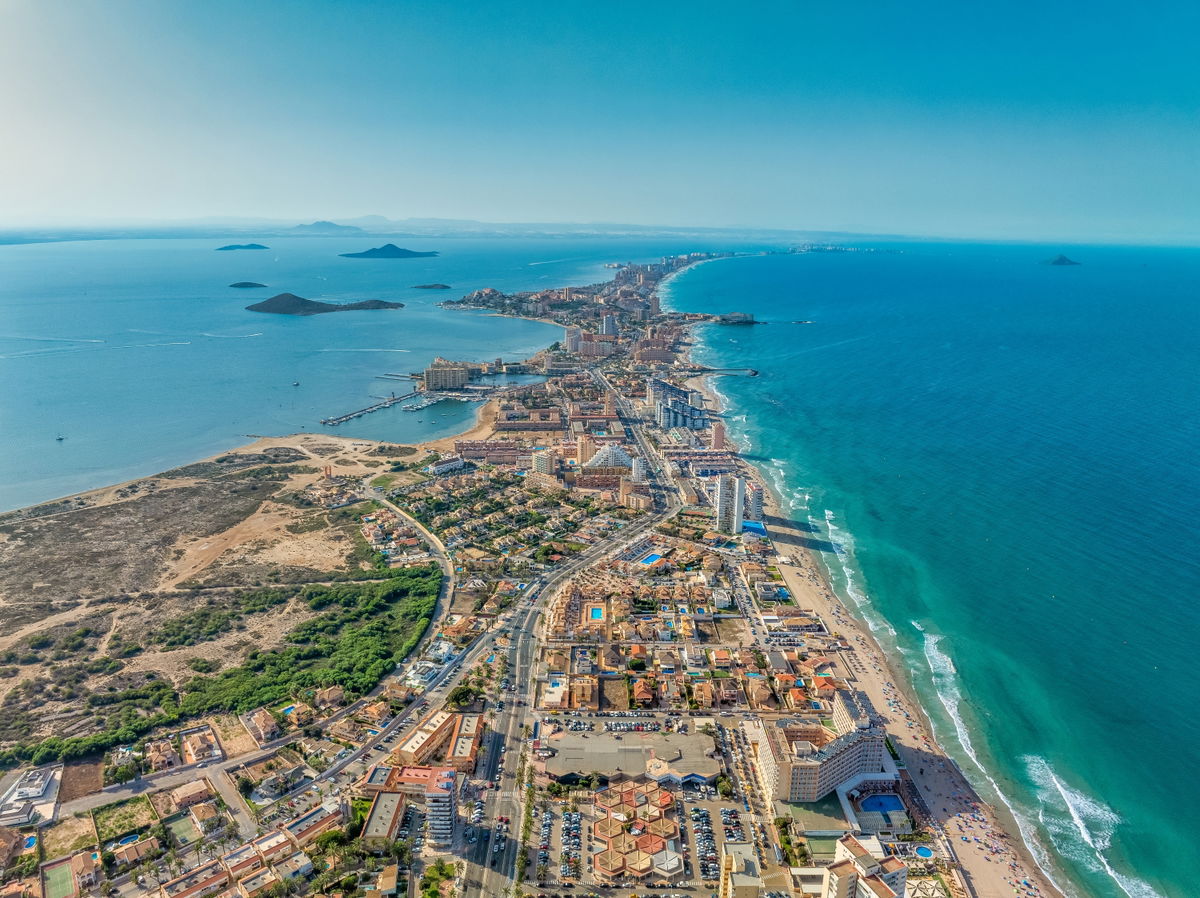
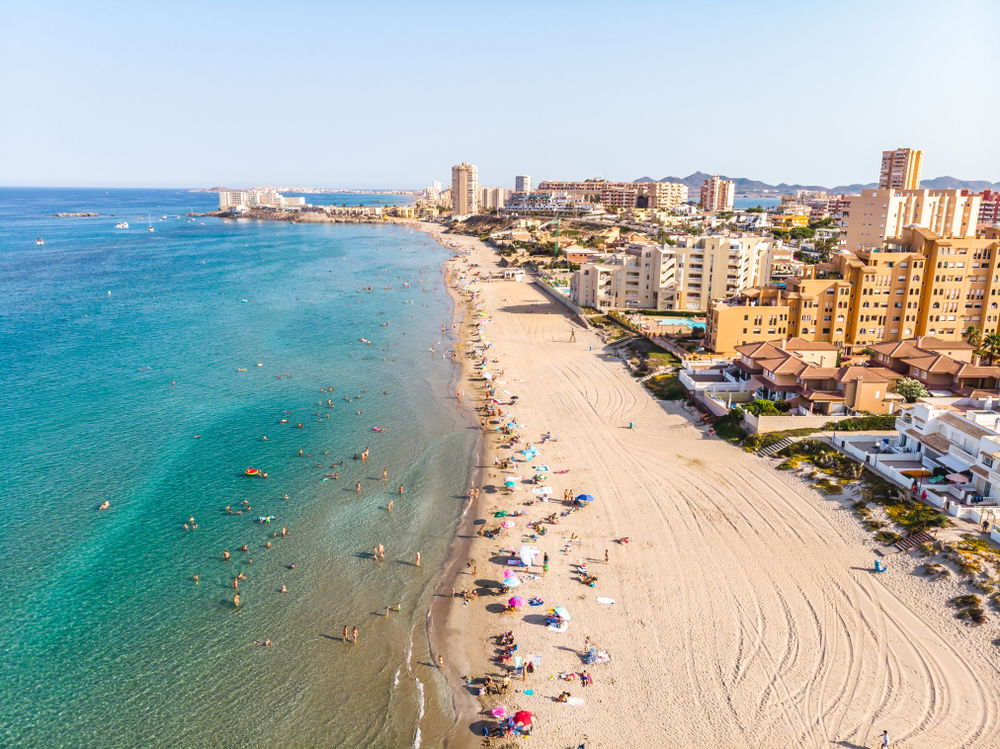
La Manga is a long, narrow strip of land more than 20 kilometres long that separates the Mediterranean Sea from the Mar Menor. The northern part of La Manga, from kilometre 3.5 to 20, belongs to San Javier and holds most of the residential and tourist developments. In the summer, the population can jump to over 250,000 people.
Room to grow despite high development
San Javier’s current planning rules allow for big development potential, up to around 20,000 homes and extra space for hotels, shops, sports, and social facilities. About 80 per cent of the land zoned for shared use has already been built on, but there’s still room for around 400,000 square metres of new construction, mostly for housing.
Cooperation key to solving summer pressure
Because La Manga is so uniquely shaped and only has one main access road through Cartagena, the plan will need input from neighbouring councils, including Cartagena and San Pedro del Pinatar. The goal is to coordinate efforts, improve traffic flow, protect the environment, and support the area’s growing population, especially during the busy summer months.
Weighing the pros and cons
The new plan offers significant potential benefits for La Manga, particularly in tackling long-standing infrastructure issues. Improved road networks, better public transport connections, and coordinated services between San Javier, Cartagena, and San Pedro del Pinatar could greatly reduce congestion and improve quality of life for both residents and tourists. During peak summer months, when the population swells to over 250,000 people, these upgrades could ease the current strain on roads, waste management, and emergency services.
Additionally, the plan could help attract new investment and revitalise parts of La Manga that have seen slower growth in recent years. With space still available for new housing and commercial areas, thoughtful development could create jobs, expand the tourism offer, and make the area more attractive year-round, not just during summer.
On the other hand, the plan also comes with significant challenges and risks. Critics argue that further development might put even more pressure on La Manga’s fragile environment, especially the Mar Menor, which has suffered from pollution and poor water quality in recent years. Concerns have also been raised about the loss of green space, increased noise, and the potential for poorly integrated urban sprawl. The narrow shape of the land strip means that any large-scale construction could have outsized impacts on traffic flow, access to beaches, and the overall character of the area.
Residents and environmental groups are calling for strict safeguards to ensure that growth is sustainable and doesn’t come at the cost of local ecosystems or community wellbeing. For the plan to succeed, decision-makers will need to strike a careful balance between modernising La Manga and preserving the natural and social landscape that makes it so special.
Read more Costa Calida news, articles and events here