
Published on
December 4, 2025
The Sagrada Familia’s stained glass shines brightly. Barcelona, Spain is normally quiet in December. Yet, something beautiful is happening now. A vibrant wave of tourists is transforming the winter season. These visitors arrive from China. Their presence brings new life to Spanish cities. This exciting shift is a boost to the national spirit. It guarantees a bright future for thousands of Spanish workers. This growing interest is truly historic. Spain’s tourism calendar is changing for the better. The nation embraces this new prosperity with open arms.
Historic Data Confirms a Massive Tourism Surge
Official figures confirm this powerful trend. Turespaña, Spain’s national tourism board, released key data. The numbers demonstrate an undeniable success story. Spain hosted approximately 650,000 Chinese visitors in 2024. This number marks an enormous increase. It represents a surge of about 66.7 percent year-on-year. This growth is a clear victory for the tourism sector. The economic impact is equally impressive. Spending by these vital Chinese tourists exceeded 1.8 billion euros. This translates to over 2.09 billion U.S. dollars. This huge financial injection fuels local economies. Every euro spent supports a Spanish business.
The immediate outlook is even stronger. Official reports note the spectacular prospects for 2025. Winter bookings show a significant increase in volume. Flight capacity is also growing fast. Experts link this rise to two key factors. One reason is the mild Spanish climate. Another factor is vastly improved air travel connectivity. This combination makes Spain an irresistible winter escape. This growth is strategic for Spanish commerce.
Direct Flights and Policy Fuel Unprecedented Growth
Direct flights are an essential catalyst for tourism. This point is universally accepted by industry leaders. The Spanish government prioritized better air connections. This strategy is now paying massive dividends. The 2025-2026 winter and spring season will set a record. Direct flights between China and Spain will reach a new peak. Weekly connections are projected to nearly double the pre-pandemic figures. This increase shows strong governmental support. The government’s push for new routes is transforming accessibility. Tourism sector advocacy bodies celebrate this successful effort. They confirm that direct air access is absolutely vital.
Policy developments also provide a powerful tailwind. China recently extended a crucial visa-free policy. This policy benefits citizens of dozens of countries. Spain is included in this important measure. The extension lasts until the end of 2026. This policy simplifies travel logistics immensely. It removes a key hurdle for potential visitors. This will further facilitate tourism and business exchanges. It creates a seamless travel experience for Chinese guests. The Ministry of Tourism views this policy as fundamental. They expect a continued, steady influx of tourists.
The Evolving, Sophisticated Chinese Traveler
The behavior of Chinese visitors is changing profoundly. They now seek deep cultural immersion. Simple visits are no longer enough for them. They want to explore Spanish heritage extensively. This shift is noted by industry insiders. It requires the tourism sector to adapt its offerings. Turespaña’s figures detail these new preferences. More than 80 percent of Chinese tourists choose independent travel. They overwhelmingly prefer hotel stays over other options.
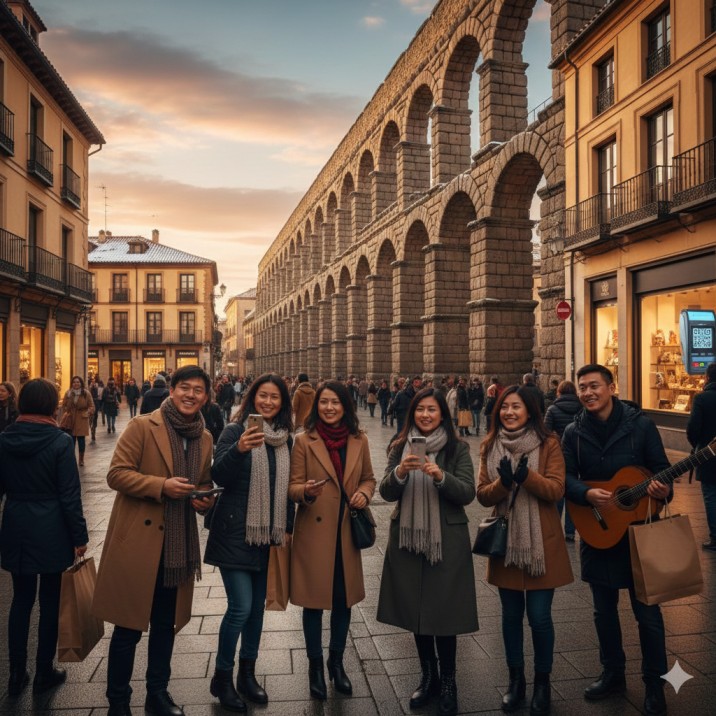
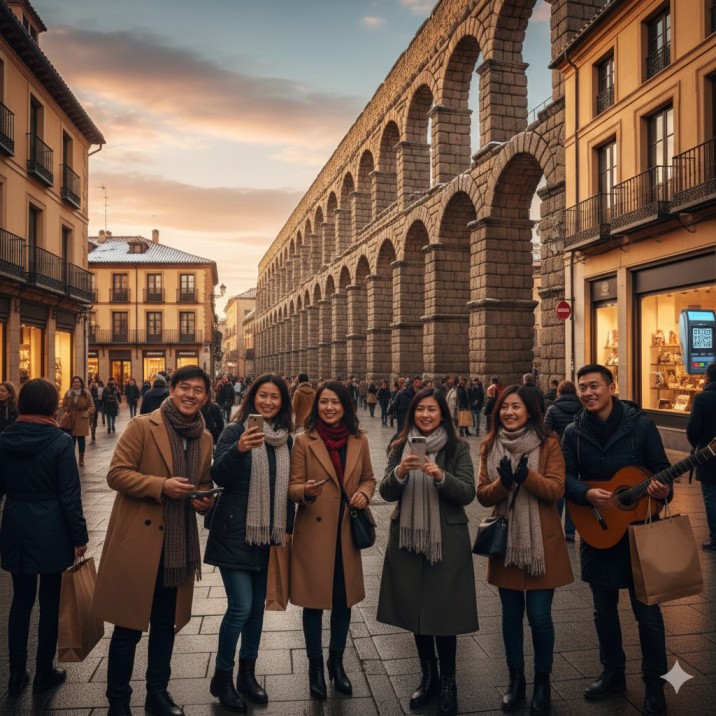
Their activities bring high added value to destinations. Their main interests include shopping and urban sightseeing. Cultural visits rank highest on their list. The old town of Segovia, for example, sees this cultural focus. These high-value activities generate greater income. They spread economic benefits across many Spanish regions. One leading Spanish tourism figure affirmed this. He said visitors desire to go deeper into local culture. They seek profound connections with heritage sites. This demand is a long-term shift, not a temporary fad.
Spain’s Sector Adapts to a Digital Future
Spain’s tourism sector is embracing these new demands. Cities are expanding their cultural offerings. Museum experiences are improving dramatically. Exhibitions and walking tours are now better organized. This focus on culture meets the visitors’ new expectations. The commitment to service is comprehensive.
Crucially, payment systems have undergone major adaptation. This action demonstrates a strong commitment to service. Major shopping districts nationwide now accept key Chinese mobile payments. Alipay and WeChat Pay are widely accepted for purchases. Tax refund systems also accommodate these digital preferences. This attention to detail simplifies the shopping experience. It encourages higher spending by making transactions easier. The tourism sector understands this necessity. Officials recognize the need to understand visitor needs fully. This includes upgrading urban experiences and digital services.
A Future of Shared Prosperity in Madrid and Beyond
The winter sun sets over the Royal Palace in Madrid. The city buzzes with activity. Spanish businesses look toward the future with great hope. This new winter prosperity is a cause for national celebration. The surge in Chinese tourism is a monumental achievement. It reflects successful government policy and industry adaptation. It guarantees economic growth for the future. The visa-free policy creates a positive two-way exchange. It strengthens cultural ties between two great nations.
Spain must continue to build on this momentum. The tourism sector must keep adapting and innovating. This long-term trend guarantees stability for the industry. Spanish people welcome these visitors with genuine warmth. This feeling is shared across the country. The powerful influx of winter tourism is not just a statistic. It is a shared story of cultural connection. It signals a golden age for Spanish tourism. The nation is thrilled to be the destination of choice.
