
Published on
July 13, 2025
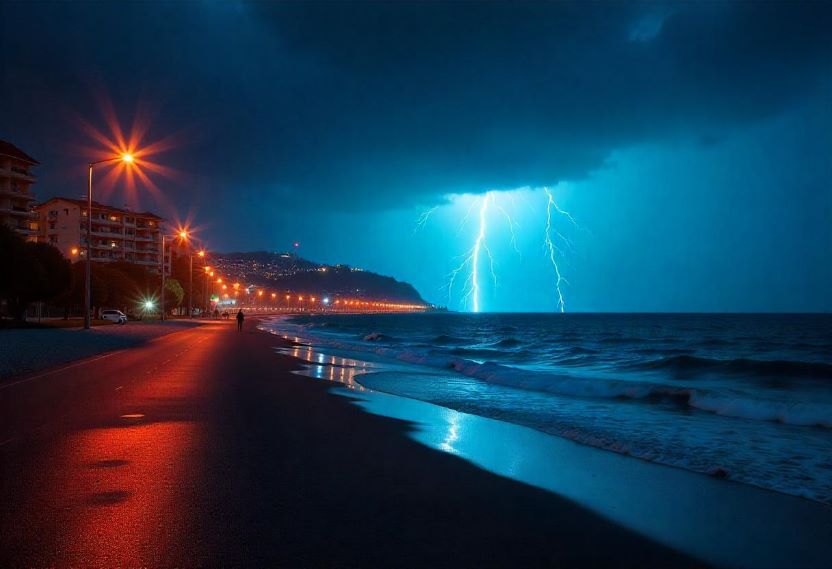
Spain has been hit by extreme weather including heavy storms and widespread flooding which have made it a nightmare for tourists and travellers. The Spanish State Meteorological Agency (AEMET) has placed red, orange or yellow alerts for rain and/or snowfall across several parts of Spain such as Catalonia, Aragón and the Balearic Islands. These circumstances have taken a heavy toll on air, land and public transportation as well causing delays, cancellations and safety issues.
The extreme weather comes as it is peak tourist season and will make it difficult for the thousands visiting the islands to get around. Here are the major sections of town impacted by the weather and the disruptions they cause:
Areas Affected by Severe Weather
Barcelona (Catalonia)
- Flash Flooding : The city has seen heavy rain and flash floods. The Foix River burst its banks, leading to extensive flooding in surrounding towns, in particular Cubelles.
- Travel Disruptions: Weather disruptions at Barcelona El Prat Airport will affect domestic and international flights.
- Road Closures: Major and minor highways in and around Barcelona, remain closed and continue to have flooding condition which is hampering local travel and tourism.
Palma (Majorca, Balearic Islands)
- Drowned Terminals: Inside its terminals, Palma Airport has suffered extensive flooding causing chaos to operations. Waterlogged parts of the airport led to the closure of some gates and prompted delays and the cancellation of some flights.
- Disrupted Roads Major roads around the Balearic Islands have also been flooded, and it has been difficult for tourists to get to their hotels or to the airport.
Zaragoza (Aragón)
- Torrential Rain and Flooding: Storms in Tarazona, Zaragoza, led to some 100mm (3.9 inches) of rain falling in some places in just an hour, in turn causing serious floods in the city streets.
- Closed Roads: Many of the important roads were flooded also bogging down travel and prevent tourist attractions from being accessed.
Costa del Sol (Andalusia)
- Floods: The Costa del Sol, which includes Málaga, was battered by torrential rain and flooding. Tourist hotspots on the coast have been affected by submerged streets, affecting locals as well as tourists.
- Transport Delays: The region has faced widespread road closures, and transport delays, affecting tourists who planned trips to beaches and coastal areas.
The Canary Islands
Hailstorms and Power outages : Extreme weathers that included hailstorms and powerful winds affected lives, especially in Canary Islands where it spoiled buildings and inundated roads. This proved challenging for tourists, as it restricted travel between islands and access to particular tourist sites.
Travel Disruptions Across Affected Regions
Flight Cancellations and Delays
- Airport of Palma: Many flights are cancelled and delayed because the airport terminal is flooded. Travelers are encouraged to check with airlines to see updates on their flights.
- Catalonia and Other Airports: Barcelona’s El Prat Airport and other airports in storm-affected regions have experienced delays, attributed to inclement weather and flooded runways.
- Air traffic has been disrupted: Airliners have been having to fly longer distances around severe weather and that is leading to longer waiting times, all in addition to the extra stress on ground services.
Flooded Roads and Travel Delays
- Barcelona: Heavy rain has caused a number of major roads to be submerged — including approaches to and from the city’s airport, leading to numerous traffic delays.
- Zaragoza and Costa del Sol: All road closures in Zaragoza and Costa del Sol have been causing access to main tourist attractions or to the airports for the starting and return flights to the scheduled itineraries and local trips.
- Getting Around by Car: Those who have reached the island without flooding (I‘m speaking in particular about visitors with rental cars and taxis) have had trouble navigating their way through wet streets; some have even spotted roads too wet to pass.
Public Transport Disruptions
- Train and Bus Services: Train and bus services are affected by heavy rain and flooding, with services being delayed or cancelled in the affected areas. Travellers between cities on public transport are likely to face delays or even detours.
- Travel Disruptions in the Balearic Islands: Public transport has been hit hard by the bad weather on Majorca with regular transportation links by buses and trains being hit by the poor weather, causing more problems for tourists.
Damage to Infrastructure
- Infrastructure Flooded: The destruction wreaked by the storms has caused infrastructure to be submerged in the likes of Tarazona and the Costa Brava, with roads, bridges and public transport stations flooded. A number of tourist sights and local businesses have been forced to close temporarily because of the damage.
- Property Risks: Travelers in affected areas may need to change travel plans, or find new accommodations if their hotels/lodgings were damaged in the storm.
Safety Recommendations for Tourists
Travelers in Spain while the bad weather lasts should follow some recommendations:
- Keep an Eye Out for Weather Alerts: Stay updated on AEMET and local-authority weather updates and any new travel advisories.
- Stay Away from Affected Areas: Whenever possible, stay away from areas that are under red or orange alert for floods. Diversify the travel and transportation routes to avoid a setback.
- Check Flight and Train Status: If you are heading to the airport or the train station, check your flight or train status before you go. Prepare in advance for potential delays.
- Brace for Road Closures: If you do need to drive, check road conditions first and avoid flooded areas. Make sure your vehicle is properly prepared to drive in wet conditions.
- Look Into Travel Insurance: If you are traveling during this weather event, it is important to have travel insurance that includes coverage for storm-related delays and cancellations.
What Authorities Are Doing
“The Spanish authorities are making an exceptional effort to minimise the pressure on this storm. Emergency rescue workers have been sent to affected areas and local authorities are coordinating flood control and evacuation, he added. AEMET is updating Swiss media so tourists are being advised to check the latest news from the local media and the Spanish government.
Authorities have also been liaising with airlines to aid in the response to delays and cancelled journeys, with extra resources being provided to cater for those who are left stranded.
Severe Weather Wrecks Tourist Areas
Storms and heavy rain have battered Spain over the last week, causing flash flooding in popular tourist destinations. Barcelona, Palma (Majorca) and Zaragoza are among the cities worst affected with tourists and locals struggling through knee-deep waters caused by the severe weather. At least 16 people have died across Mallorca, which experienced biblical-like flash floods that killed at least 10. In Barcelona flash flooding occurred due to a swollen Foix River. Majorcan holiday transport hubs, Palma Airport hauled in rain water inside the terminals, causing closures and flight cancellations.
The storm has also brought flooding to other popular tourist destinations, such as in parts of Catalonia and the Costa del Sol. The storms have made the roads hazardous, resulting in closures and traffic jams. That has proven a particular challenge for visitors who depend on car rentals to get around. Cars have become stranded in some areas, with travel very difficult, if not impossible.
Conclusion
The very bad weather in Spain is causing misery for residents and tourists alike, with the worst-hit areas including main tourist destinations such as Barcelona and Majorca and the Costa del Sol. With flight cancellations and closed roads and widespread flooding, travelers are getting stuck all over the country. But with readiness, flexibility and good information, it is possible to mitigate the consequences of these disruptions.
After the storm clouds have cleared and the calm returns, tourists can return to visit the many diverse areas of the beautiful country of Spain. In the meantime, it’s best to stay informed and adjust travel plans as necessary in order to stay safe and minimize inconvenience in the face of weather events.
Tags: AEMET.Spain, AEMET.Spain travel disruptions, Barcelona, catalonia, Costa Brava, costa del sol, flooding in Spain, majorca, palma, spain, tourism disruptions, weather warnings Spain, Zaragoza
