
Published on
July 14, 2025
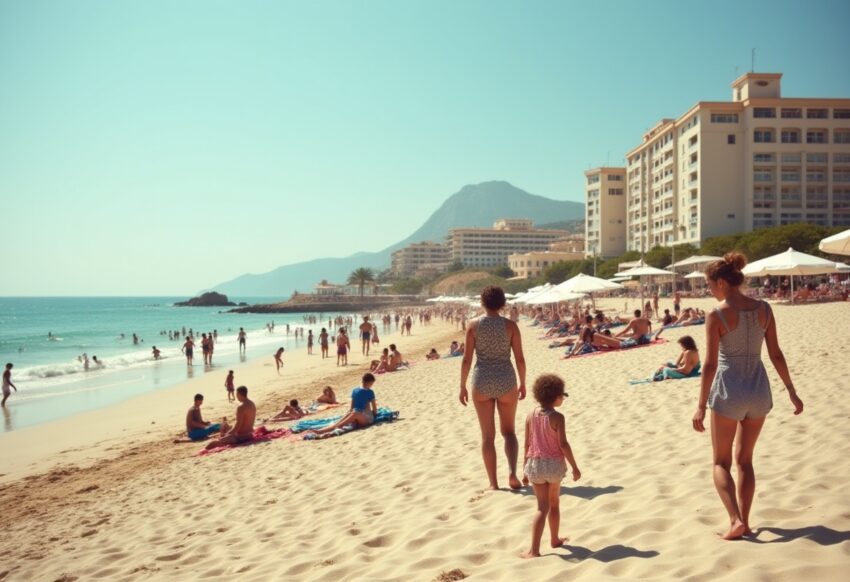
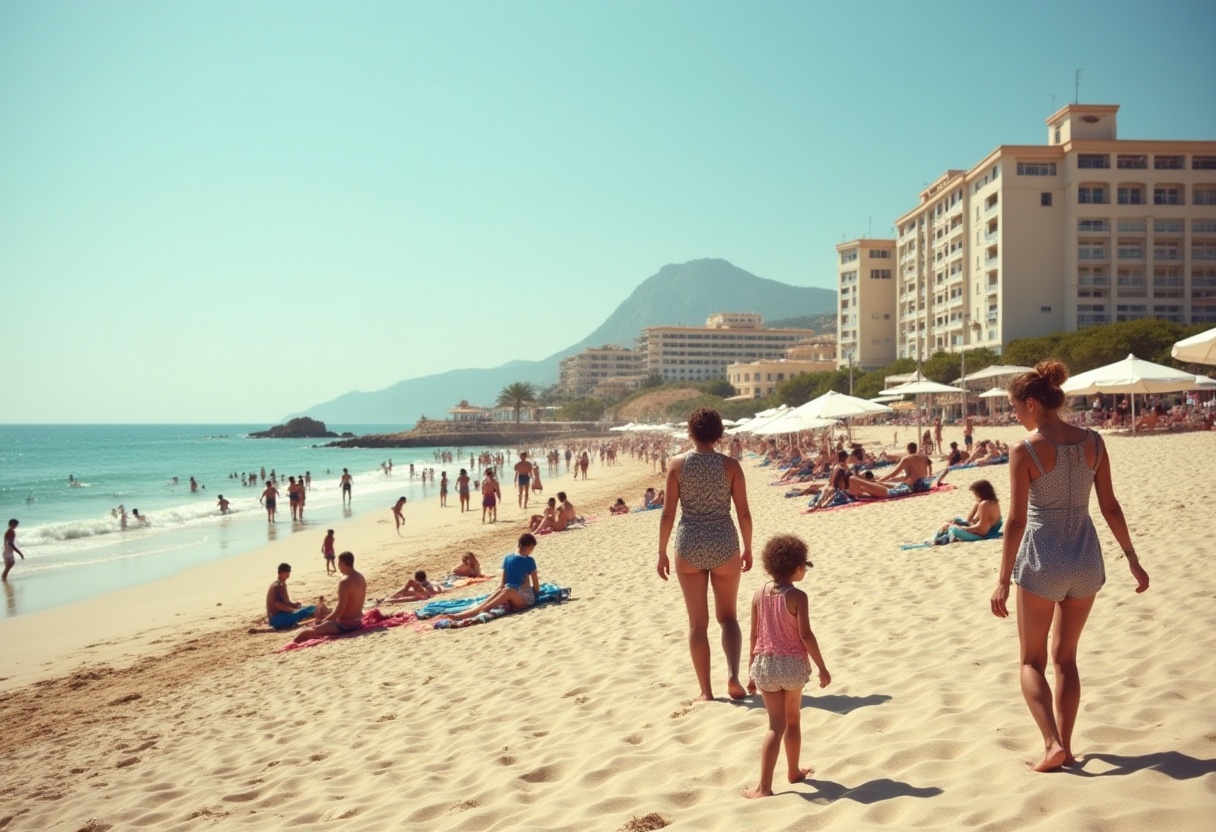
In an era of unprecedented tourism growth, Spaniards are finding it increasingly difficult to enjoy the sun-kissed beaches that have long been their summer haven. As foreign tourists flock to the country in record numbers, the surging prices of hotels, beach rentals, and local amenities are pushing locals away from their beloved coastlines.
Spain, already the second-most visited country in the world, has long been a top tourist destination. Its Mediterranean and Atlantic coastlines are a primary draw for millions of international visitors every year. However, recent trends show a growing divide between the booming tourism industry and the everyday Spanish citizen’s ability to afford the luxuries once commonplace on their own shores.
The Growing Disconnect: Spaniards vs. Tourists
According to recently reviewed data from inAtlas, the top 25 Mediterranean and Atlantic coastal destinations in Spain saw a significant decline in local tourism, dropping by 800,000 last year. Meanwhile, foreign tourism surged by 1.94 million, highlighting a stark contrast between the experiences of Spaniards and international visitors.
With the tourism sector contributing over 13% to Spain’s GDP, the industry’s importance cannot be overstated. However, the rising prices are becoming a significant source of discontent among the Spanish population, particularly as locals are increasingly priced out of traditional summer vacations along the coast.
Wendy Davila, a 26-year-old Spanish resident, expressed her frustration at the growing costs. She recently had to cancel an “exorbitant” beach vacation in Cadiz on the southern coast of Spain and opted for a more affordable trip to Burgos, a historic inland city known for its Gothic cathedral and its connections to the legendary figure El Cid.
Rising Costs: A Barrier for Locals
The price surge in Spain’s most popular tourist destinations is dramatic. Hotel rates have risen by 23% over the past three years, with the average cost of a night’s stay now around 136 euros ($159). The rise in beachfront rentals is even more staggering, with prices climbing 20.3% since mid-2023. For many Spanish families, these costs are simply out of reach, forcing them to either scale back their travel plans or seek more affordable alternatives inland.
Jose Maria Basanez, President of Tecnitasa Group, which specializes in rental market analysis, stated, “It is becoming increasingly difficult for Spanish holidaymakers to afford beachfront tourism rentals.” This sentiment is echoed by many who feel the tourist boom has made their traditional holiday spots unaffordable.
Foreign tourists, on the other hand, have become the primary beneficiaries of the price hikes. The influx of international visitors, especially from Germany and the UK, has driven up demand, with these tourists staying an average of eight nights at Spanish beaches, compared to just four nights for locals. Furthermore, foreign visitors tend to spend a significantly larger portion of their income on vacations compared to Spanish citizens, deepening the divide.
Shifting Travel Trends: Spaniards Seek Alternative Destinations
As Spanish holidaymakers find themselves squeezed out of the coastal hotspots, many are turning to inland destinations for their summer vacations. With prices in major cities and coastal towns soaring, regions like Andalucia, Castille and Leon, and El Bosque are gaining popularity among locals. These areas offer more affordable accommodation options, fewer crowds, and still a wealth of cultural and natural attractions.
In El Bosque, a mountain town located about 100 kilometers from the beaches of Cadiz, tourism from Spain’s own residents rose by 22% in the last year. This trend reflects a broader shift in local travel preferences, as more Spaniards choose to explore the lesser-known gems of their own country, where they can escape both the crowds and the high costs of the traditional coastal resorts.
The Strain on Spain’s Coastal Infrastructure
The impact of mass tourism is not just economic—it is also social and environmental. As Spain continues to see an influx of international visitors, local communities along the coast are feeling the strain. Housing shortages, exacerbated by the growing demand for short-term rentals, have led to protests from locals who are being displaced by skyrocketing rent prices. Many towns along the Mediterranean and Atlantic coasts are seeing a shift in their demographic makeup, with short-term visitors outnumbering residents during peak seasons.
The overcrowding at popular beaches has also raised concerns about the environmental impact of tourism. Coastal ecosystems are becoming increasingly vulnerable as more visitors flock to Spain’s shores, putting pressure on resources and leading to concerns about sustainable tourism.
Government Efforts to Address Overcrowding
Recognizing the challenges posed by overcrowding and rising prices, Spain’s socialist government is taking steps to encourage tourists to explore inland Spain. The Minister of Tourism, Jordi Hereu, launched a campaign in June 2025 aimed at diversifying Spain’s tourism offerings. By promoting lesser-known destinations, the government hopes to alleviate pressure on the popular tourist areas while offering visitors a new perspective on Spain’s cultural richness and natural beauty.
“If we want to continue to be leaders in international tourism, we have to decentralise our destinations,” Hereu stated during the campaign’s launch. “We want Europeans and those from other continents to rethink their idea of the Spain they love and visit so much.”
The Inland Boom: Exploring Affordable, Uncrowded Destinations
As the costs of coastal tourism continue to rise, Spaniards are discovering the charm of the country’s inland regions. Last year, 1.7 million more Spanish nationals opted for vacations in these more affordable regions. Destinations like Andalucia, Castille and Leon, and Galicia have seen a surge in Spanish visitors, who are seeking out authentic cultural experiences, local cuisine, and access to outdoor activities in less crowded environments.
This shift has proven to be particularly beneficial for towns like El Bosque, which has seen a notable increase in Spanish tourism. Here, visitors can enjoy hiking, local festivals, and the picturesque landscapes of the Sierra de Grazalema Natural Park, all while avoiding the crowded beaches of Cadiz.
Local Sentiment: The Growing Frustration
The frustration felt by Spaniards is not just about the cost of vacations but also about the changing dynamics of popular destinations. Nurse Maria de la Jara, who has spent summers in Cadiz for years, lamented, “I used to go to my family’s house, but there are more and more foreign tourists in Cadiz, and when a cruise ship arrives, the population doubles. It’s overwhelming.”
Many locals, particularly in coastal areas, feel a growing sense of alienation from the tourism-driven transformation of their towns. While foreign visitors contribute to Spain’s economy, their presence often brings about significant changes to local lifestyles and living conditions.
Conclusion: Balancing Growth and Sustainability
Spain’s tourism industry is at a crossroads. While the economic benefits of international tourism are undeniable, the strain on local populations and the environment is becoming increasingly apparent. The government’s push for diversifying tourism and encouraging exploration of inland regions is a step in the right direction. However, finding a balance between tourism growth and local well-being will require continued effort, sustainable practices, and a commitment to maintaining the authenticity of Spain’s cultural and natural landscapes.
In the end, the key to ensuring that both foreign tourists and local Spaniards can continue to enjoy the country’s beauty lies in a holistic approach that prioritizes sustainable development, affordable travel options, and the protection of Spain’s unique heritage.
