
Published on
December 17, 2025
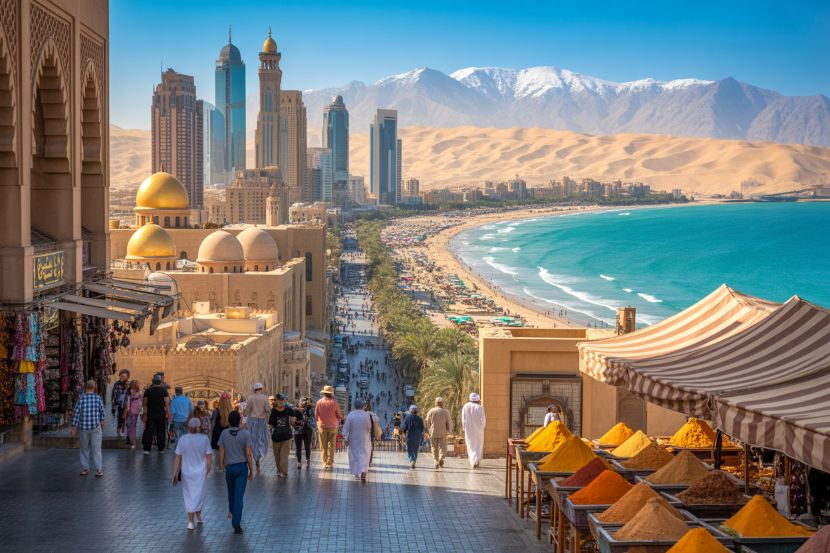
In 2025, Middle Eastern countries have solidified their position as the world’s fastest-growing tourism region, with growth rates reaching up to 32% compared to 2019. Driven by Saudi Arabia’s Vision 2030, major events in Qatar and the UAE, and a surge in visitors from key markets like India, China, and Saudi Arabia, the region has surpassed global tourism averages. This historic surge is setting new global travel growth records, surpassing destinations like the USA, France, Spain, and Italy. Here’s everything you need to know about this transformation.
Top 6 Middle Eastern Countries and Cities by Tourism Growth (2025)
Below are the top six Middle Eastern countries and cities experiencing the largest growth in tourism arrivals in 2025:
1. Saudi Arabia: The Global Leader in Tourism Growth
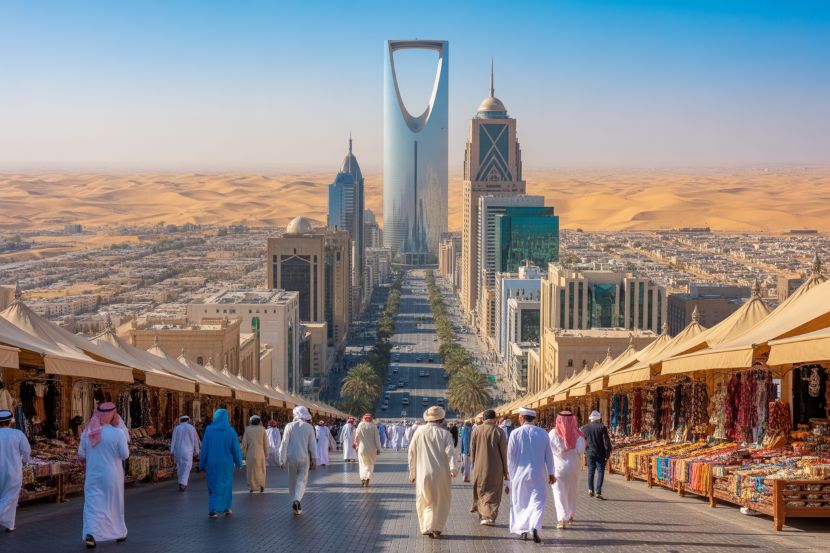
In 2025, Saudi Arabia is expected to welcome approximately 30 million visitors, marking a remarkable 102% increase in tourism arrivals since 2019, making it the fastest-growing tourism destination globally. This growth is largely driven by ambitious “Giga-projects” under Vision 2030, with new destinations like Hail experiencing a 170% surge in visitors. Key source countries contributing to this growth include Egypt and Pakistan. Saudi Arabia’s unprecedented tourism success can be attributed to its efforts to diversify the sector and open previously restricted areas. The country has not only achieved global leadership in tourism growth but also ranked #1 in tourism receipts. This growth is further fueled by the development of new tourism hubs like Hail, offering visitors unique experiences and showcasing Saudi Arabia’s transformation into a major global tourism player.
- Capital: Riyadh
- Language: Arabic
- Currency: Saudi Riyal (SAR)
- Top Attractions: Mecca, Madinah, Al-Ula, King Abdulaziz Center for World Culture, Diriyah
- Best Time to Visit: October-April (cooler months)
- Cuisine: Kabsa, Shawarma, Hummus, Falafel, Dates
- Transportation: Car rentals, taxis, domestic flights, buses
2. UAE: Dubai’s Unmatched Growth in International Arrivals
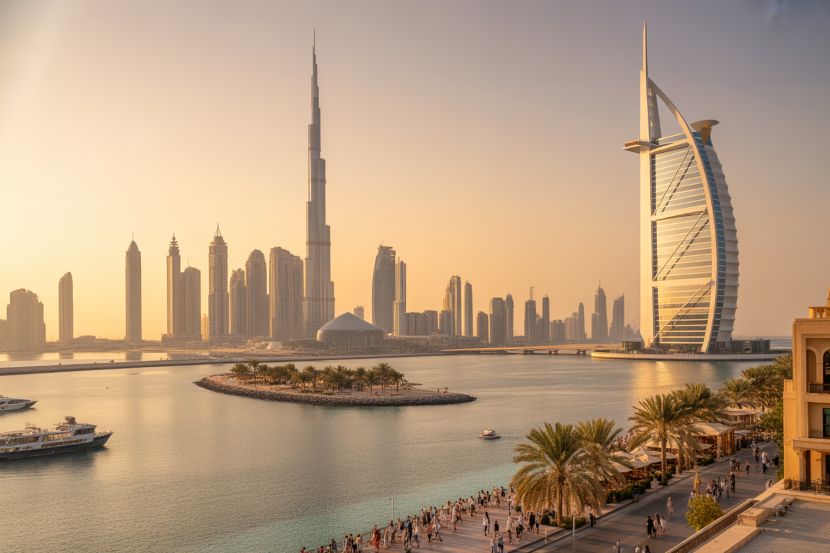
In 2025, Dubai is projected to welcome approximately 19.5 million visitors, surpassing Paris in total international overnight stays, with 19.2 million international visitors expected. Dubai International Airport (DXB) continues to retain its title as the world’s busiest international hub. The city’s tourism growth is largely driven by its diverse attractions, including luxury resorts, world-class shopping, and iconic landmarks like the Burj Khalifa and the Museum of the Future. With significant growth in both leisure and business tourism, Dubai has become the crown jewel of the UAE’s tourism industry, with India being a major source market contributing to this impressive rise in visitor numbers.
- Capital: Abu Dhabi
- Language: Arabic
- Currency: UAE Dirham (AED)
- Top Attractions: Burj Khalifa, Palm Jumeirah, Louvre Abu Dhabi, Dubai Mall, Ferrari World
- Best Time to Visit: November-April (mild weather)
- Cuisine: Shawarma, Hummus, Machboos, Falafel, Dates
- Transportation: Metro, taxis, buses, car rentals
3. Qatar: A Post-World Cup Tourism Boom
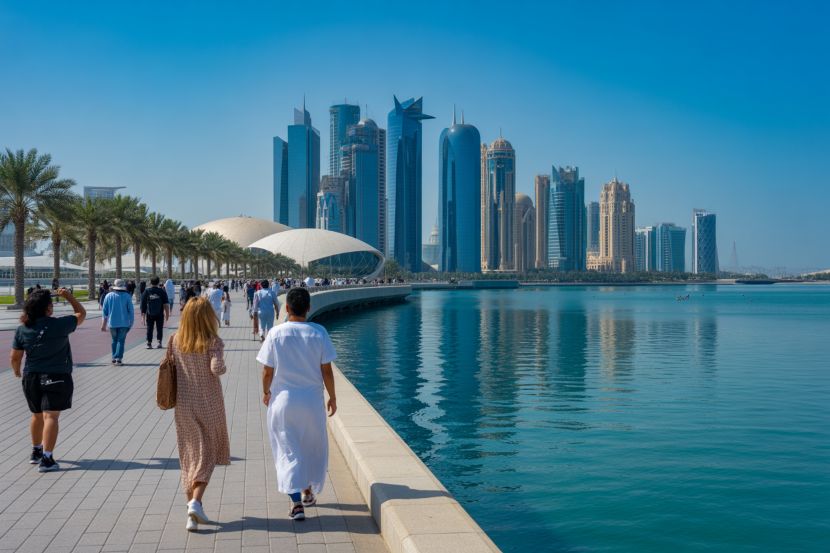
In 2025, Qatar is expected to welcome around 5.3 million visitors, with a significant 37% surge in arrivals from China, driven by expanded direct flight routes and visa-free entry for Chinese tourists. The country is also benefiting from the momentum of the 2022 FIFA World Cup, with tourism numbers surpassing pre-event levels. Saudi Arabia and China remain key source markets. Qatar is capitalizing on this tourism boom by offering luxury experiences, modern infrastructure, and vibrant cultural events. With an increasing number of visitors from neighboring Saudi Arabia and China, Qatar is solidifying its position as a premier destination in the region.
- Capital: Doha
- Language: Arabic
- Currency: Qatari Riyal (QAR)
- Top Attractions: Museum of Islamic Art, Souq Waqif, Lusail Stadium, Katara Cultural Village, Pearl-Qatar
- Best Time to Visit: November-March (cool weather)
- Cuisine: Machboos, Harees, Shawarma, Salona, Dates
- Transportation: Metro, taxis, buses, car rentals
4. Egypt: Record Growth Driven by Cultural Tourism
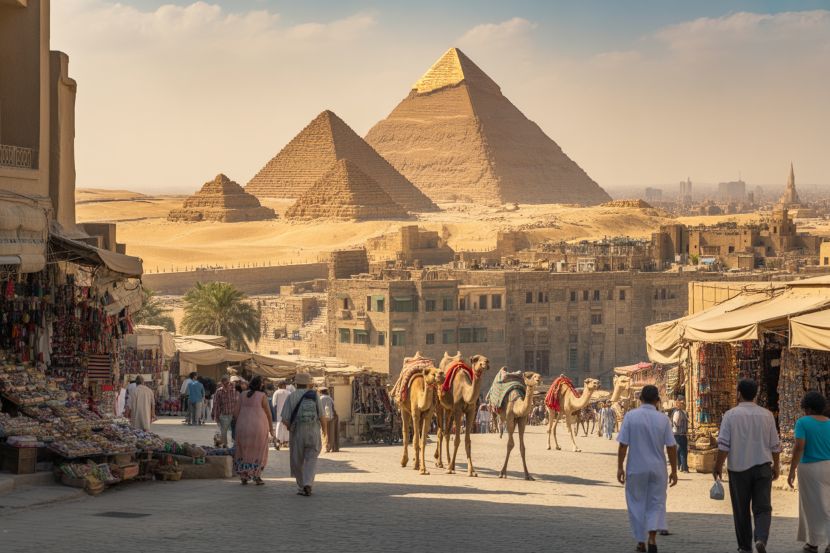
- Capital: Cairo
- Language: Arabic
- Currency: Egyptian Pound (EGP)
- Top Attractions: Pyramids of Giza, Egyptian Museum, Luxor Temple, Abu Simbel, Valley of the Kings
- Best Time to Visit: October-April (milder weather)
- Cuisine: Koshari, Falafel, Shawarma, Fatta, Mahshi
- Transportation: Cairo Metro, buses, trains, taxis, domestic flights
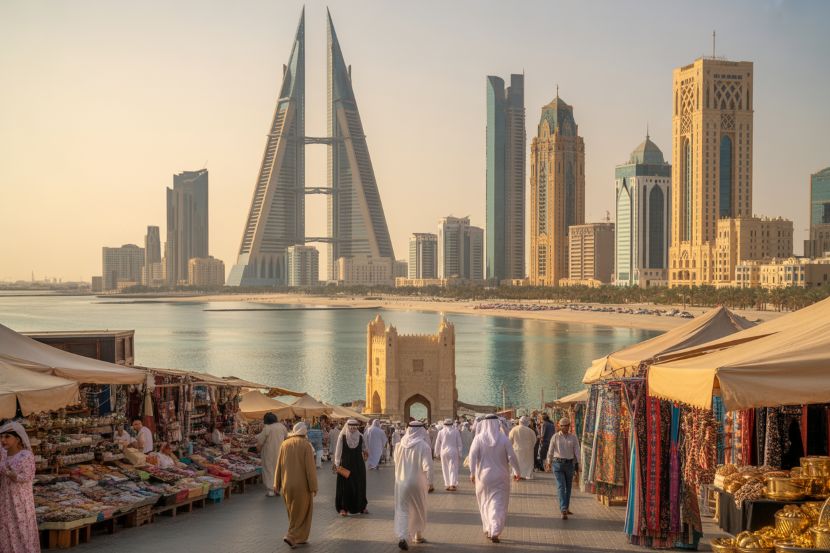
5. Bahrain: A Surge in Leisure Tourism from GCC States
In 2025, Egypt is projected to welcome approximately 18 million visitors, marking a 24% year-on-year growth. This surge is primarily driven by the opening of the Grand Egyptian Museum (GEM) and a resurgence in interest for the country’s rich cultural and historical sites. Germany remains the top source market, contributing significantly to the growth in Cairo and Luxor. The opening of the GEM has played a crucial role in boosting visitor arrivals, helping Egypt surpass its European competitors in tourism growth and further solidifying its status as a cultural tourism hub.
- Capital: Muscat
- Language: Arabic
- Currency: Omani Rial (OMR)
- Top Attractions: Sultan Qaboos Grand Mosque, Al Jalali and Al Mirani Forts, Wadi Shab, Jebel Akhdar, Musandam Peninsula
- Best Time to Visit: October-April (pleasant weather)
- Cuisine: Shuwa, Mashuai, Harees, Omani Halwa, Dates
- Transportation: Taxis, buses, car rentals, domestic flights
6. Oman: A Focus on Eco-Luxury Tourism
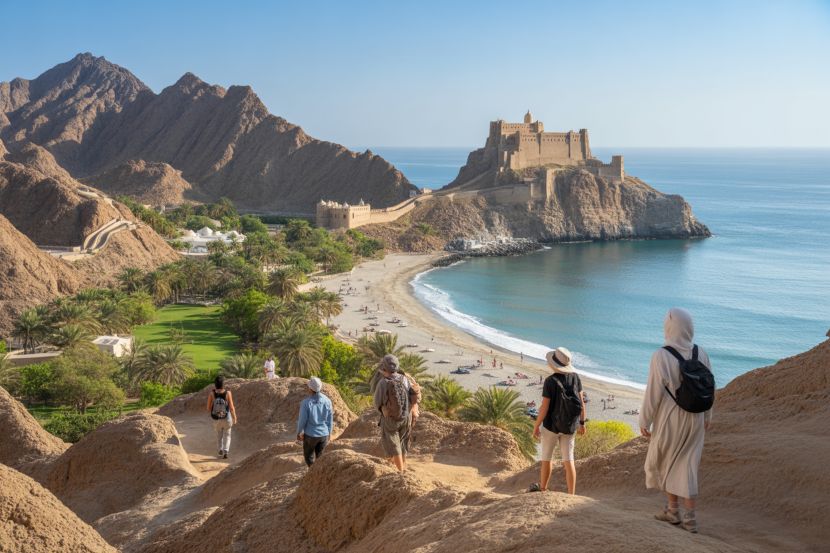
In 2025, Oman is expected to welcome around 4.2 million visitors, experiencing double-digit revenue growth. This surge is fueled by its increasing reputation as an eco-luxury travel destination, with pristine beaches, rugged mountains, and sustainable tourism initiatives drawing high-end travelers. India and the UAE are the top source countries for visitors. Oman is carving out a niche in the luxury and eco-tourism market, offering a peaceful, nature-focused alternative to its busier neighbors. With an expanding number of high-end resorts and eco-friendly travel experiences, Oman is establishing itself as a top destination for unique and sustainable getaways.
- Capital: Manama
- Language: Arabic
- Currency: Bahraini Dinar (BHD)
- Top Attractions: Bahrain Fort, Al Fateh Grand Mosque, Bahrain National Museum, Qal’at al-Bahrain, The Pearl
- Best Time to Visit: November-April (cool weather)
- Cuisine: Machboos, Shawarma, Harees, Samboosa, Dates
- Transportation: Taxis, buses, car rentals, ferries
Flight & Booking Trends: What Travelers Need to Know
As tourism continues to surge, air travel in the Middle East has reached its highest capacity ever in 2025. The region’s airlines, such as Saudia, Etihad, and Qatar Airways, have reported record load factors and passenger numbers. Here are some key booking trends:
- Booking Lead Times: Long-haul visitors (from the USA and Europe) are booking trips to the Middle East 3 to 6 months in advance, while GCC travelers are opting for last-minute trips, often booking under 14 days before departure.
- Mobile Bookings: Digital travel activity has increased by 63%, with mobile bookings accounting for 20-38% of all transactions, one of the highest rates globally.
Key Source Markets: Who is Visiting the Most?
The Middle East’s tourism growth is driven by visitors from key countries, with the following markets leading the charge:
- India: A major growth engine for tourism in the UAE, Oman, and Bahrain, with increasing numbers of business and leisure travelers.
- Saudi Arabia: A dominant source market for Qatar and Bahrain, with GCC travelers frequently visiting for weekend stays and short-haul trips.
- China & Australia: These two markets saw the highest percentage growth for Qatar in 2025, following new direct flight routes and visa-free entry.
- Germany: Continues to be a key source for Egypt’s cultural and beach tourism.
- Russia: Plays a major role in the tourism growth of the northern emirates (Ras Al Khaimah, Sharjah) and Saudi Arabia, particularly with direct flight routes to major cities.
Quick Travel Tips for 2025:
- Book in Advance: With the surge in tourism, it’s advisable to book flights and accommodations at least 3-6 months in advance, especially for long-haul trips.
- Explore Multi-Country Itineraries: Consider booking multi-city itineraries (e.g., Dubai + Muscat or Cairo + Luxor) to explore the region’s diverse offerings.
- Cultural Etiquette: Be mindful of local customs, especially when visiting religious sites or participating in traditional festivals.
- Best Time to Visit: For the best weather, plan your visit during the cooler months (November to March).
Country Guide: Tourism Overview for the Middle East
Saudi Arabia
- Total Visitors (2025): ~32 million
- Top Source Countries: Egypt, Pakistan
- Key Attractions: Mecca, Riyadh, Al-Ula, Red Sea resorts
UAE
- Total Visitors (2025): ~19.5 million (Dubai)
- Top Source Countries: India, Saudi Arabia, UK
- Key Attractions: Dubai, Abu Dhabi, Sharjah, Ras Al Khaimah
Qatar
- Total Visitors (2025): ~5.3 million
- Top Source Countries: Saudi Arabia, China
- Key Attractions: Doha, Lusail, Museum of Islamic Art, Katara Cultural Village
Egypt
- Total Visitors (2025): ~18 million
- Top Source Countries: Germany, USA
- Key Attractions: Cairo, Giza Pyramids, Luxor, Red Sea resorts
Bahrain
- Total Visitors (2025): ~13.5 million
- Top Source Countries: Saudi Arabia, UAE
- Key Attractions: Manama, Bahrain Fort, The Pearl
Oman
- Total Visitors (2025): ~4.2 million
- Top Source Countries: India, UAE
- Key Attractions: Muscat, Wadi Shab, Oman’s beaches, mountains
Conclusion
To sum up, Saudi Arabia, the UAE, Qatar, Egypt, and Oman have set new global travel growth records in 2025, surpassing major tourism destinations like the USA, France, Spain, and Italy. Vision 2030, mega-events, and cultural tourism initiatives are fueling this rapid growth, making the Middle East the world’s fastest-growing tourism region, driving record-breaking arrivals and tourism receipts. The region’s rise marks a new chapter in global tourism, establishing the Middle East as a powerful player on the world stage.
Disclaimer: The Attached Images in This Article are AI Generated
