
Published on
December 20, 2025
As the Christmas holidays approach, travelers in Europe face significant disruptions caused by airport and train strikes. These walkouts, which are increasingly common during the festive season, are targeting some of the busiest periods of the year. The strikes have been driven by workers’ demand for better pay and improved working conditions. Although some protests have been planned months in advance, others are being announced at the last minute, making travel planning a challenge. Here’s what travelers can expect over the coming days.
UK: Strikes at London Airports
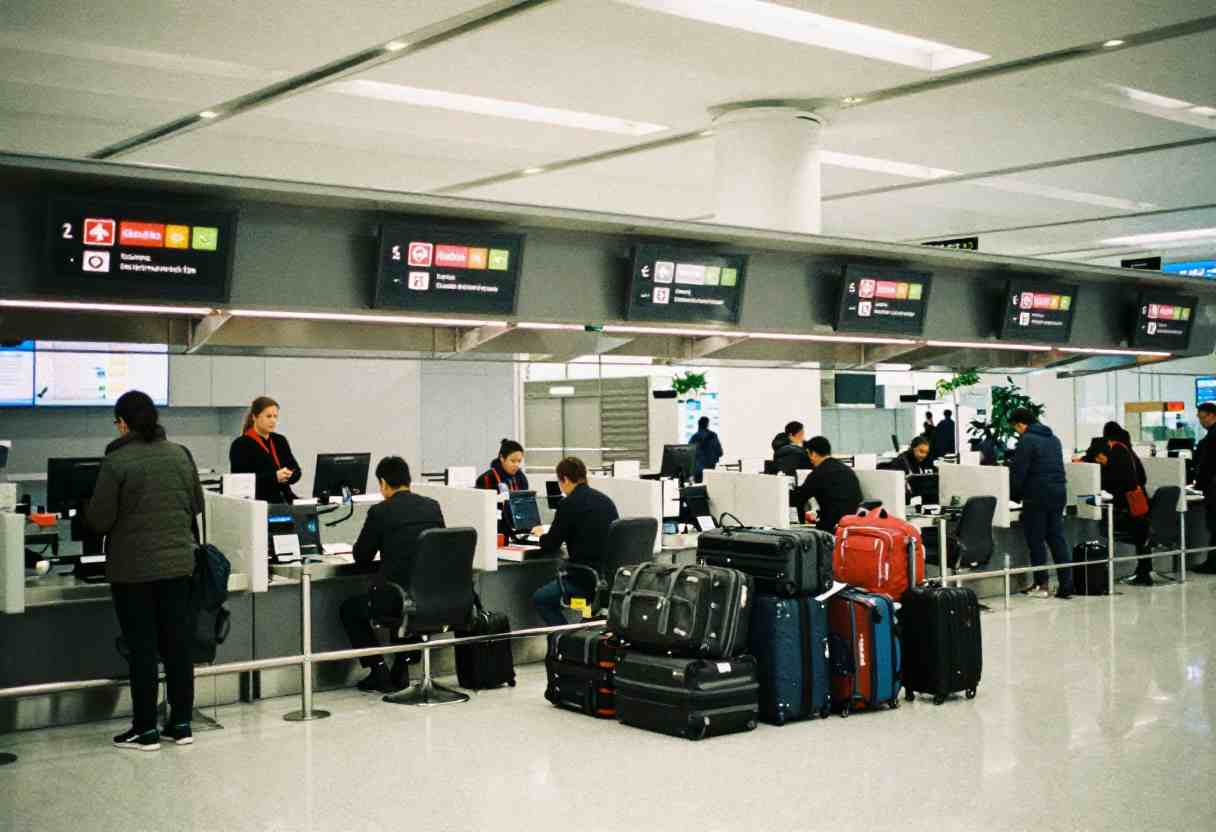
In the UK, the holiday travel season is already being affected by strikes at London airports. From December 19 to 22 and again from December 26 to 29, ground staff at London’s Luton Airport, employed by easyJet, will walk out. This action is expected to cause disruptions in the check-in process and delays in baggage handling, potentially adding stress to travelers trying to make their way home or embark on their holiday journeys.
Another major airport in London, Heathrow, will also face disruption. Scandinavian Airlines Services (SAS) cabin crew will be striking between December 22 and 24, as well as on December 26. This strike will likely affect flights to key hubs such as Copenhagen, Stockholm, and Oslo. Travelers flying with SAS should expect cancellations and delays, especially during peak travel days leading up to and following Christmas.
Spain: Ongoing Baggage Handling Strikes
In Spain, Ryanair passengers are also expected to experience delays due to ongoing baggage handling strikes. Staff working for Azul Handling, Ryanair’s ground handling partner, have been staging weekly walkouts since the summer. These strikes, which are taking place over issues related to wages, bonuses, and job security, are scheduled to continue until December 31. The walkouts are planned for Wednesdays, Fridays, Saturdays, and Sundays, with disruption occurring in three different time slots: from 5 am to 9 am, from 12 pm to 3 pm, and from 9 pm to midnight.
This will affect several airports across Spain, including Alicante, Barcelona-El Prat, Girona, Ibiza, Lanzarote, Madrid-Barajas, Malaga, Palma de Mallorca, Santiago de Compostela, Seville, Tenerife South, and Valencia. Travelers at these airports should be prepared for longer wait times at check-in and baggage collection points.
Italy: Upcoming Strikes in January
Italy, which experienced a coordinated airport strike on December 17, is expecting further travel disruptions in the new year. On January 9, CUB Transporti, an Italian trade union, has called for a four-hour strike from 1 pm to 5 pm. This will affect airport staff across the country, potentially causing flight delays and cancellations. Additionally, ground handling staff at Milan Linate airport, represented by Swissport Italia, will walk out for 24 hours on the same day.
Verona Airport will also face disruptions on January 31 when ENAV air traffic control staff stage a walkout. This action will cause further delays to flights, particularly for those traveling to and from Verona.
EU’s New Entry/Exit System Adding to Delays
Travelers entering the Schengen Zone from non-EU countries should be aware of the new EU Entry/Exit System (EES), which has been rolled out at many airports across Europe. Non-EU nationals, including those from the UK and the US, are now required to register their biometric data at dedicated kiosks as part of the new border control procedures.
While this system aims to enhance security, it has led to significant delays. Passengers have reported waiting for long periods at some of the busiest airports in France, Germany, Greece, Iceland, Italy, Portugal, and Spain. In some cases, travelers have experienced waiting times of up to three hours. These delays have been so severe that some passengers have missed their flights.
Workers’ Protests Over Pay and Conditions
A major driving force behind the strikes is workers’ dissatisfaction with their pay and working conditions. Many workers have voiced their concerns about being forced to rely on food banks due to the low wages they receive, particularly when traveling to expensive Scandinavian hubs.
Union representatives have condemned the behaviour of employers like Scandinavian Airlines (SAS), accusing them of exploiting their staff during a time when goodwill is expected. SAS staff have expressed frustration over what they describe as “Grinch-style behaviour,” with union representatives claiming that the airline is taking advantage of its workers’ dedication, even though many are struggling to make ends meet. As a result, SAS may be held accountable for the disruptions, with many Christmas flights expected to be cancelled.
What Travelers Need to Know
If your flight or train is affected by a strike, there are steps you can take to minimize the impact. Depending on the circumstances, you may be entitled to a replacement ticket or compensation. It’s important to check the terms of your ticket and be aware of your rights. If your flight is cancelled, the airline is typically obligated to offer you a replacement flight or a refund. However, compensation for delays can depend on how long the delay lasts and whether it was caused by factors outside the airline’s control.
For train travel, passengers can generally receive compensation if their service is delayed or cancelled, but the rules vary by country and the type of service you booked. Always check with your provider for the most up-to-date information.
Conclusion: A Disrupted Holiday Season
As strikes continue to unfold across Europe’s airports and railways, travelers are advised to stay informed and plan accordingly. With strikes affecting major transportation hubs in the UK, Spain, and Italy, it’s crucial to keep up with any developments. Whether you’re flying or taking a train this Christmas, anticipate delays and consider alternative arrangements if necessary. Stay updated on potential disruptions and your rights as a passenger to ensure that you can make the most of your holiday travel.
