

Published on
December 25, 2025
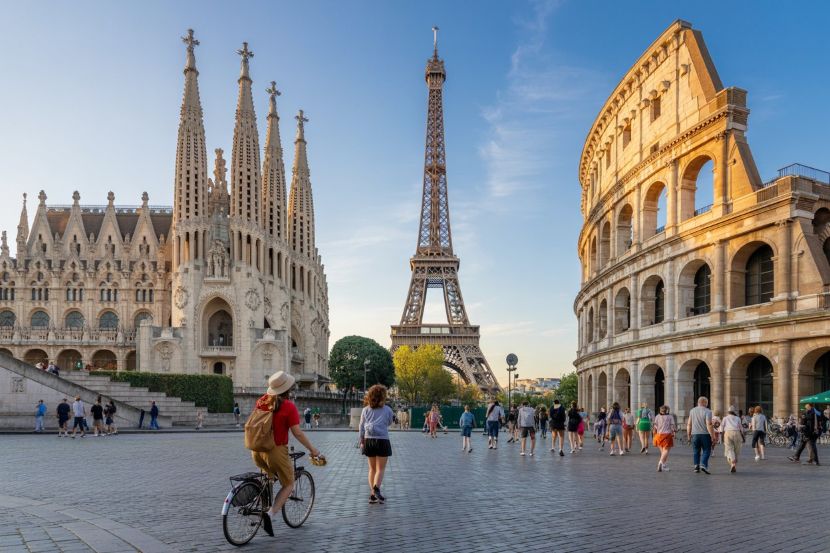
Europe has always been a top choice for travelers worldwide, and in 2025, this trend shows no signs of slowing down. With an expected surge in tourism, countries like France, Spain, Italy, Turkey, Germany, and the United Kingdom are leading the charge in drawing millions of visitors, fueling the continent’s tourism growth. This article explores how these nations are boosting tourism and the economic impact on Europe as a whole.
France: The Crown Jewel of European Tourism
France has consistently topped global tourism rankings, and it continues to lead in 2025 with an estimated 100 million visitors. The French government has invested heavily in infrastructure improvements, including the modernization of airports and high-speed train networks, making travel more accessible. France’s renowned cultural heritage, art, cuisine, and iconic landmarks like the Eiffel Tower, Louvre, and the French Riviera attract a wide range of tourists from around the world.
The government’s focus on promoting sustainable tourism through initiatives like the “Tourism Sustainability Strategy” has also played a key role in its ongoing success. By 2025, this approach is expected to drive more eco-conscious travelers to France, further contributing to the country’s position as a top tourist destination in Europe.
Spain: Europe’s Second Most Visited Destination
With 94-100 million visitors projected for 2025, Spain is a close contender to France’s tourism crown. Spain has long been recognized for its diverse cultural landscape, ranging from the lively streets of Barcelona to the historical wonders of Madrid and Seville. With initiatives like the “Spain Global Tourism Plan”, which targets international visitors through marketing campaigns and partnerships with local businesses, Spain aims to further consolidate its position as one of Europe’s tourism hotspots.
Spain’s tourism policies focus on sustainability and attracting high-value tourists who stay longer and spend more. The increasing popularity of coastal tourism in regions like the Balearic and Canary Islands, along with cultural tourism through events like La Tomatina and Running of the Bulls, is expected to continue bringing tourists in droves.
Italy: Rich Heritage Meets Modern Appeal
Italy, home to some of the world’s most famous landmarks, such as the Colosseum, Vatican City, and the canals of Venice, remains one of Europe’s top destinations, with 60+ million visitors expected in 2025. The government’s efforts to preserve its rich cultural heritage while modernizing key tourist areas have been instrumental in attracting international visitors.
Recent investments in promoting lesser-known destinations within Italy, such as small towns in Tuscany and the Amalfi Coast, are expected to diversify tourism. Italy’s focus on enhancing digital infrastructure to support e-tourism has also helped in streamlining booking processes, making it easier for travelers to visit. As a result, the economic impact of tourism is set to grow significantly, especially in rural areas where tourism was once underdeveloped.
Turkey: A Strategic Crossroads for Tourists
With an estimated 50+ million tourists in 2025, Turkey is seeing substantial growth as it serves as a bridge between Europe and Asia. Istanbul, with its rich cultural mix and historical significance, has become a central hub for travelers. Turkey’s “Tourism 2023 Action Plan”, which emphasizes easing visa regulations and expanding transportation links, has been key in boosting tourism numbers.
The country’s stunning coastline along the Aegean and Mediterranean Seas, along with historical sites like Ephesus and the Blue Mosque, make it an appealing destination for both cultural and leisure tourism. Turkey’s focus on developing wellness tourism with resorts in locations like Antalya is another significant draw for travelers in 2025.
Germany: A Powerhouse in Tourism and Business
Germany, a country known for its innovation, history, and culture, is expected to attract millions of tourists in 2025, thanks to investments in green tourism and modern infrastructure. With a focus on sustainable travel through projects like the “Green Travel Initiative”, Germany is positioning itself as an eco-friendly destination that appeals to environmentally conscious travelers.
The country’s business tourism sector also plays a significant role, with major events like the Berlin Film Festival and Frankfurt Book Fair drawing professionals and creatives from around the world. The growth of wellness tourism, especially in Bavarian spas, further strengthens Germany’s position as a top European tourism destination.
United Kingdom: A Diverse Experience for Travelers
The United Kingdom remains one of Europe’s most popular destinations, with London at the forefront. In 2025, the UK is expected to attract millions of visitors due to its historic landmarks (such as Buckingham Palace, the Tower of London, and Stonehenge), vibrant cultural scene, and thriving urban tourism. The UK’s “Tourism Recovery Plan” has focused on rebuilding the tourism industry following the pandemic by offering financial support for businesses and improving infrastructure.
The growth of rural tourism, particularly in regions like Scotland’s Highlands and the Lake District, is expected to diversify the UK’s tourism portfolio, contributing to its continued rise in global rankings. The UK’s commitment to improving transport connectivity, including the expansion of high-speed rail services, will also boost tourism accessibility.
Economic Growth Through Tourism
The surge in tourism in these top European countries has a profound impact on the economy. According to government data, tourism contributes significantly to each of these countries’ GDPs, with France and Spain leading in terms of economic value derived from international visitors. These nations are investing in infrastructure and promoting sustainable tourism, which not only benefits local economies but also ensures long-term growth.
Additionally, as these countries focus on attracting high-value tourists who spend more on experiences, accommodation, and cultural activities, the overall economic contribution from tourism is expected to rise substantially. These growth strategies are setting the stage for a robust 2025 and beyond.
2024 vs. 2025 Tourism Growth in Europe
Below is a chart comparing the projected tourism growth for key European countries in 2024 and 2025, based on official government data and estimates:
| Country | 2024 Visitors (millions) | 2025 Visitors (millions) | % Growth |
|---|---|---|---|
| France | 95 | 100 | +5.26% |
| Spain | 90 | 94–100 | +4.44%–11.11% |
| Italy | 55 | 60+ | +9.09% |
| Turkey | 46 | 50+ | +8.70% |
| Germany | 45 | 50 | +11.11% |
| United Kingdom | 40 | 45 | +12.5% |
Tourism in Europe is poised for remarkable growth in 2025, driven by strong demand in leading countries like France, Spain, Italy, Turkey, Germany, and the United Kingdom. These nations are capitalizing on their rich cultural heritage, investments in infrastructure, and sustainable tourism practices to attract millions of visitors, thereby fueling economic growth. As tourism continues to play a critical role in the European economy, the efforts of these countries to enhance their offering
