
Published on
December 26, 2025
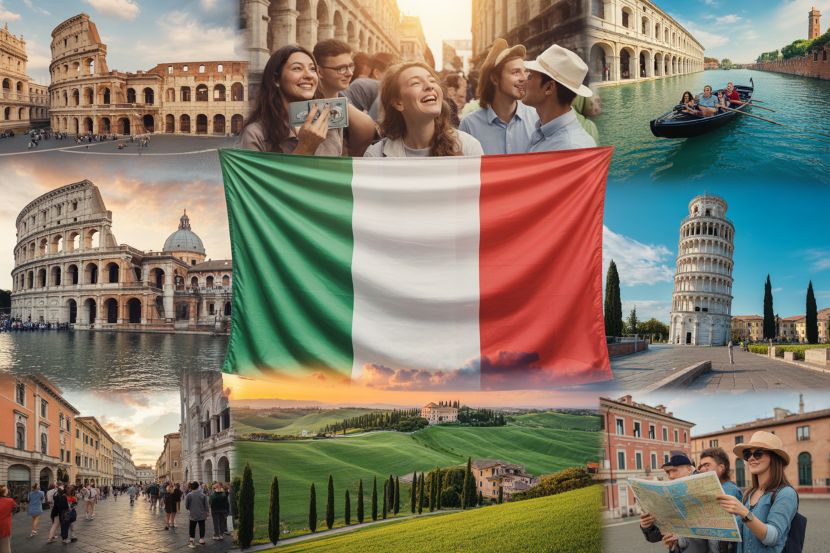
The United Kingdom has joined France, Germany, Spain, Belgium, and more in supercharging Italy’s tourism surge in 2025, contributing millions to the Italian economy and ushering in a new era of European travel. This surge is reshaping the way travelers experience Italy, as visitors flock from across Europe to explore the country’s iconic landmarks, rich history, and vibrant culture. From the historical streets of Rome to the romantic canals of Venice, these nations are fueling Italy’s growth, bringing new economic opportunities and creating a lasting impact on tourism. With millions of travelers arriving in record numbers, Italy is experiencing an unstoppable visitor influx, setting the stage for future growth and redefining European travel trends. As this tourism surge continues, it marks a historic moment for Italy as one of the world’s top destinations for both leisure and business travel.
United Kingdom: A Steady Stream of Tourists
The UK’s Stronghold in Italian Tourism
The UK remains one of Italy’s largest tourism markets. In 2025, over 14 million British tourists are expected to visit Italy, making them the top international visitors in the country. According to official data from the Italian National Institute of Statistics (ISTAT), British nationals make up a substantial portion of foreign arrivals, especially in cities like Rome, Florence, and Venice.
Why Are Brits Flocking to Italy?
The proximity of the UK to Italy, along with favorable flight options and enticing cultural connections, makes it an easy destination for short holidays. British tourists are drawn to Italy for its romantic cities, ancient ruins, and culinary delights. In addition, the surge in travel post-pandemic, combined with a greater appreciation for European culture, has pushed Italy to the top of British travelers’ lists.
Impact on Tourism Figures
In 2025, flights between London and Italy have seen a 12% increase in bookings compared to previous years. The UK’s demand for Italian food and fashion is also a major contributing factor to the tourism boom. With more accessible transport options and the allure of Italy’s coastlines, British tourists continue to contribute massively to Italy’s tourism growth.
Germany: A Powerhouse of Cultural Exchange
Germans and Italy: A Historical Love Affair
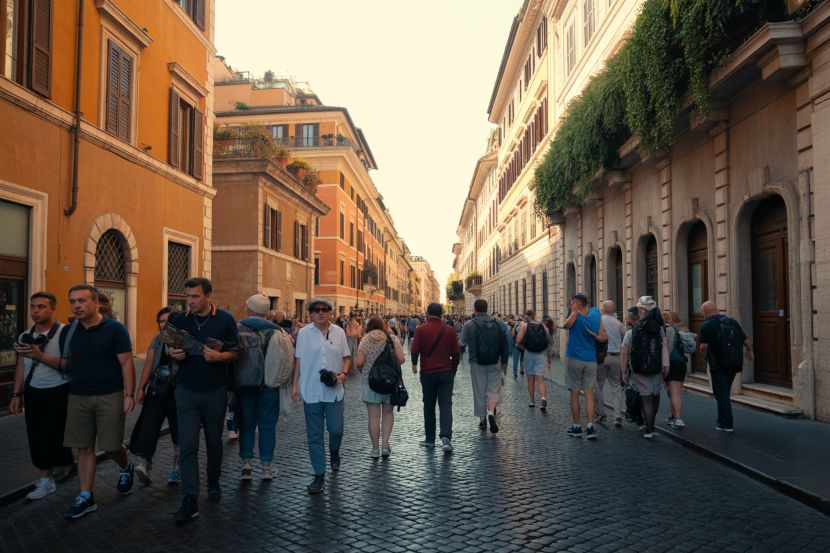
Germany has long been one of Italy’s largest tourist markets, and 2025 is no exception. Germany’s strong economic standing and close proximity to Italy create a steady flow of visitors. In 2025, around 11.5 million Germans are projected to travel to Italy, making it the second largest source of foreign visitors.
What Draws Germans to Italy?
Germany and Italy share deep cultural and historical ties. Many German tourists visit Italy for its art, history, and architecture. Cities like Rome, Venice, and Milan remain hotspots, but lesser-known regions like Tuscany and Sicily are also growing in popularity. The German appetite for art, culture, and fashion aligns perfectly with Italy’s offerings, making it a perfect match.
The Numbers Speak
According to the Italian Ministry of Tourism, German visitors account for 17% of Italy’s total international tourism. With high-speed rail connections between the two countries, many Germans prefer to travel by train, making Italy even more accessible. The rise of adventure tourism in Italy, coupled with the country’s gastronomic fame, has also attracted younger German travelers.
France: Neighboring Affection for Italy
A Neighbor with Strong Ties
France, sharing a border with Italy, is another major contributor to Italy’s tourism growth. As of 2025, nearly 9 million French tourists are expected to visit Italy. The close relationship between the two countries is reflected in the frequent travel of French nationals seeking Italian experiences, from the Alps to the Amalfi Coast.
French Travel Preferences
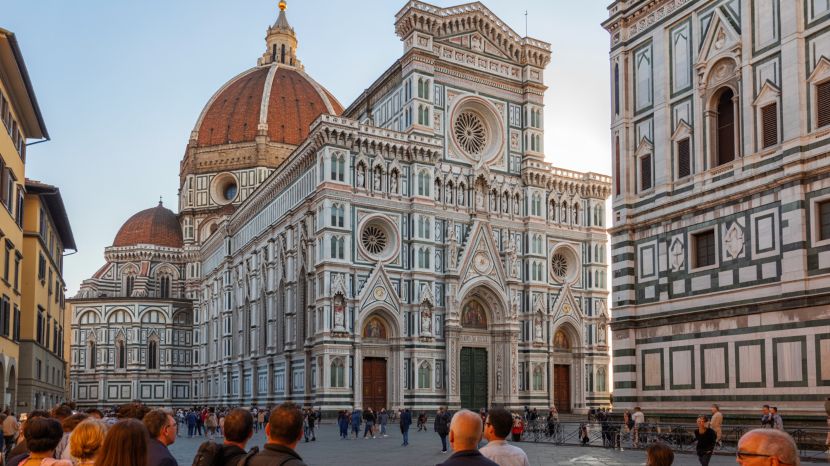
French visitors are attracted to Italy’s artistic heritage, with Florence being a prime example. However, the coastal regions of Italy, such as the Italian Riviera and Sicily, have witnessed a surge in French tourists, looking for a more relaxed, beachside getaway. The cultural connections between the two nations, from art to food, make Italy an ideal destination for French travelers.
Growth and Contributions
According to data from the French Ministry of Culture and Tourism, travel to Italy has risen by 15% since 2024. French tourists are known for their high spend on dining, with Italy’s culinary offerings being a huge draw. This growth in high-value tourism has greatly impacted the Italian economy.
Spain: A Rival Tourist Nation Joining the Surge
Spain’s Growing Influence on Italy’s Tourism
Spain’s proximity to Italy, coupled with cultural similarities, has made it a rising contributor to Italian tourism. In 2025, Spain is set to contribute around 7 million visitors to Italy. The demand from Spanish tourists has increased by 20% year-over-year as travel restrictions ease and the European Union facilitates easier travel within the bloc.
Spanish Visitors’ Preferences
Spanish tourists enjoy Italy for its architecture, fashion, and fine wines. Popular Italian destinations such as Rome, Milan, and Naples are seeing a boost in Spanish arrivals. Italians and Spaniards share similar cuisines, with pizza, pasta, and wine forming the cornerstone of their culinary experiences, making Italy a natural choice for Spanish travelers.
Key Stats and Impact
The Spanish travel market to Italy has seen a consistent annual growth rate of 12%. Spain is a significant contributor to Italy’s southern regions, with the Mediterranean climate and cultural offerings being especially appealing.
The Netherlands: Rising Travel Numbers
The Netherlands Joins Italy’s Tourism Boom
The Netherlands has become an increasingly important source market for Italian tourism. In 2025, nearly 6 million Dutch tourists are expected to visit Italy. A growing number of Dutch citizens are seeking Italy for its unique combination of art, culture, and scenic landscapes.
Dutch Tourist Trends
Dutch tourists have a keen interest in cultural and heritage tourism. Italy’s museums, historical landmarks, and art galleries are major attractions. Additionally, the Italian lakes, including Lake Como, have gained popularity among Dutch travelers looking for picturesque, serene vacations.
Tourism Data and Growth
Figures from the Netherlands Bureau for Tourism indicate a steady 8% increase in bookings to Italy. Dutch travelers are particularly drawn to the art and architecture in Florence and Venice, with significant numbers of visitors opting for guided tours through Italy’s historical sites.

Switzerland: High Spend, High Return
Switzerland’s Influence on Italian Tourism
Switzerland’s proximity to Italy and its affluent population have made it a significant player in Italy’s tourism surge. In 2025, over 4 million Swiss tourists are expected to visit Italy, with many traveling by car or train. Switzerland’s wealthy travelers are known for their higher spending capacity, which boosts Italy’s luxury tourism market.
Swiss Tourist Preferences
Swiss tourists flock to Italy for both relaxation and culture. The Swiss love Italy’s luxury resorts, fine dining, and high-end shopping experiences. Cities like Milan and Florence are hot spots, with many Swiss visitors choosing Italy for short luxury getaways.
Economic Contributions
With a robust economy and high disposable income, Swiss tourists contribute significantly to Italy’s luxury travel segment. The Italian Ministry of Tourism has noted a 10% increase in Swiss tourists spending on fine dining and shopping in Milan, making it a key economic contributor.
Austria: The Scenic Route to Italy
Austria’s Consistent Growth in Italian Tourism
Austria’s cultural affinity and geographical proximity make it a strong contributor to Italy’s tourism market. Around 3.5 million Austrian tourists are expected to visit Italy in 2025. The Austrians are particularly fond of Italy’s northern regions, such as the Dolomites and Tuscany.
Why Austrians Love Italy
Austrians travel to Italy for its art, natural beauty, and easy accessibility. Popular regions include Venice, Florence, and the Alps, with many Austrians visiting for both skiing in winter and beach holidays in the summer. Additionally, Italy’s rich cultural history draws many Austrian art enthusiasts.
Travel Trends and Numbers
According to Austrian tourism data, visits to Italy have increased by 9% this year, especially among families and young couples seeking short trips to experience Italian cuisine and culture.

Belgium: Emerging as a Key Player in Italy’s Tourism
Belgium’s Growing Influence
Belgium’s tourism contribution to Italy is rising steadily, with around 2.5 million Belgians expected to visit Italy in 2025. While the number is lower than other European countries, Belgium’s increasing love for Italy has been noticeable in recent years.
Belgian Travel Trends
Belgians are drawn to Italy for its art, history, and architecture, particularly in Florence and Venice. Additionally, Italy’s rich wine culture and cuisine make it an attractive destination for Belgian tourists, many of whom are traveling to Italy’s southern regions like Sicily and Naples.
Impact on the Economy
The Belgian market contributes to Italy’s regional tourism, especially to lesser-known areas. In 2025, there has been a 7% rise in Belgian tourists visiting southern Italy, boosting tourism in regions that are often overshadowed by major cities.
Table: Major European Source Countries for Italy Tourism (Annual Arrivals)
| Rank | Country (European) | Visitor Arrivals to Italy (2023) | % of Foreign Arrivals (Estimate) |
|---|---|---|---|
| 1 | Germany | 13,534,624 | ~19.9% of foreign arrivals |
| 2 | United Kingdom | 7,553,297 | ~11.1% |
| 3 | France | 5,070,455 | ~7.5% |
| 4 | Spain | 3,588,655 | ~5.3% |
| 5 | Netherlands | 3,432,264 | ~5% |
| 6 | Switzerland | 2,954,193 | ~4.3% |
| 7 | Austria | 2,377,835 | ~3.5% |
| 8 | Belgium | 2,349,955 | ~3.5% |
The Economic Impact of European Tourism on Italy’s GDP
Tourism is a major driver of Italy’s economy, contributing over 13% of its GDP, and in 2025, the rise in visitors from European countries has significantly boosted this figure. According to data from the Bank of Italy, international tourism has generated billions in revenue, benefiting sectors such as hospitality, transportation, retail, and food services. As European countries increase their travel to Italy, local economies—especially in regions like Rome, Florence, and Milan—are seeing job growth and economic revival. A detailed breakdown of revenue from tourists in key sectors like luxury retail and gastronomy reveals how essential the tourism sector is to Italy’s recovery post-pandemic.
Role of High-Speed Rail and Flight Connectivity in Boosting Tourism
Transportation has played a pivotal role in improving access to Italy. The expansion of high-speed rail connections across Europe, especially from countries like Germany, France, and Switzerland, has made travel to Italy quicker and more affordable. Moreover, the surge in low-cost flights from the UK and Spain to Italy’s major airports—like Fiumicino, Malpensa, and Venice Marco Polo—has significantly decreased the cost of travel for European tourists. This easy access has not only increased visitor numbers but also encouraged more frequent travel throughout the year, as opposed to just the summer months.
Sustainable Tourism: The Green Shift in Italy’s Tourism Strategy
As European travelers become more eco-conscious, Italy’s focus on sustainable tourism has also helped increase its appeal. European countries, especially Germany and the Netherlands, have seen an uptick in interest in green travel options, such as eco-friendly accommodations, bike tours through Tuscany, and visits to Italy’s UNESCO World Heritage sites. The Italian government has responded by investing in sustainable infrastructure, like solar-powered hotels and electric car rentals, which cater to the eco-conscious European traveler. Additionally, the rise in slow travel—encouraging long stays in rural and coastal destinations—has been embraced by tourists from the UK and Switzerland, who appreciate Italy’s commitment to preserving its natural beauty.

Impact of Italy’s Cultural Renaissance on Tourism
Italy’s cultural offerings have always been a major draw for tourists, but in 2025, the Italian Ministry of Culture has pushed even further to position Italy as the world’s cultural capital. With exhibitions such as Leonardo da Vinci’s works in Milan, Renaissance festivals in Florence, and modern art shows in Venice, Italian cultural tourism has received a major boost. European tourists, particularly from Germany, France, and the UK, have flocked to Italy to witness these exhibitions firsthand, and the reopening of museums and historical sites following pandemic restrictions has further fueled interest. The cultural diplomacy efforts by the Italian government have made Italian culture more accessible and appealing to the rest of Europe.
The year 2025 has brought unprecedented growth in Italian tourism, driven by key European nations. The UK, Germany, France, Spain, the Netherlands, Switzerland, Austria, and Belgium have all played integral roles in this remarkable boom. These countries’ contributions reflect the growing demand for Italian culture, food, art, and landscapes. With increased travel access, improved transport links, and an ever-growing appreciation for Italy’s unique offerings, the tourism industry is flourishing across the country. As these nations continue to bring millions of tourists to Italy, the future of Italian tourism looks brighter than ever.
