
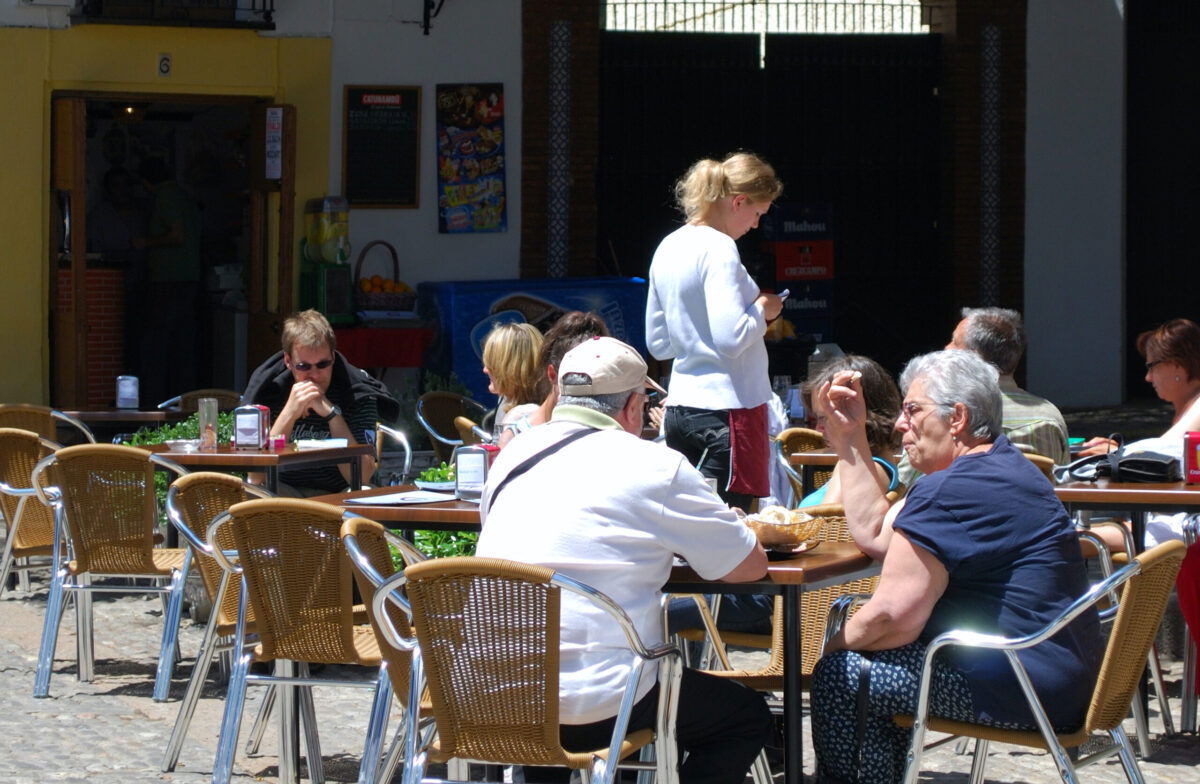
As the peak summer season hits the Costa del Sol, crowded coastal restaurants, bars, and cafés, the hospitality industry is wrestling with a severe shortage of staff, many even reducing their opening hours to cope.
According to Javier Frutos, president of the Malaga Hoteliers Association (MAHOS), an estimated 5,000 to 6,000 additional workers are needed this August to meet the surge in demand. However, a critical lack of qualified professionals has left many positions vacant, forcing businesses to rely on temporary solutions like hiring students who will return to school after the season or extending operating hours.
The sector has seen a positive trend in hiring, with an average of 100,000 workers employed monthly throughout the year, peaking at over 115,000 in August—a 3 per cent increase from last year. Yet, despite 20,000 job seekers registered with the Andalusian Employment Service (SAE) for hospitality roles, the shortage of skilled workers never seems to end, leaving many job opportunities not taken.
Michelin-star restaurant – candidates don’t even show up for interviews
One striking example comes from Malaga’s Michelin-starred chef José Carlos García, who was recently looking for staff for his restaurant in the port of Malaga. The SAE provided ten candidates with basic kitchen training or limited English proficiency for front-of-house roles, who could have been potential candidates for the restaurant’s international clientele. Shockingly, none showed up for the interviews. The restaurant had to go abroad to recruit staff.
Young won’t work – 6,000 jobs unfilled
This employee shortage isn’t unique to hospitality. Carmen Sánchez, Malaga’s regional delegate for Employment, Business, and Self-Employment, calls it a “structural problem” affecting industries like transportation, construction, logistics, and agriculture. Many young people, she says, don’t see hospitality training as a viable career path. Some unemployed individuals registered with the SAE even dismiss training opportunities, with responses like, “I’m not going to spend two years to be a waiter.” Yet, Sánchez says that public training programs open doors to well-paid roles like sommelier, head chef, or dining room manager, offering excellent career prospects.
Despite improved salaries and better work-life balance in the industry, as Sánchez highlights, societal shifts are complicating recruitment. Frutos points out that younger generations put leisure before the “culture of effort” that once defined the Costa del Sol workforce. With high accommodation costs in peak season adding further complications to the issue, the Costa del Sol’s hospitality sector faces an urgent need to bridge the gap between available jobs and reluctant workers and balance professional demands with personal aspirations.