
Published on
January 12, 2026
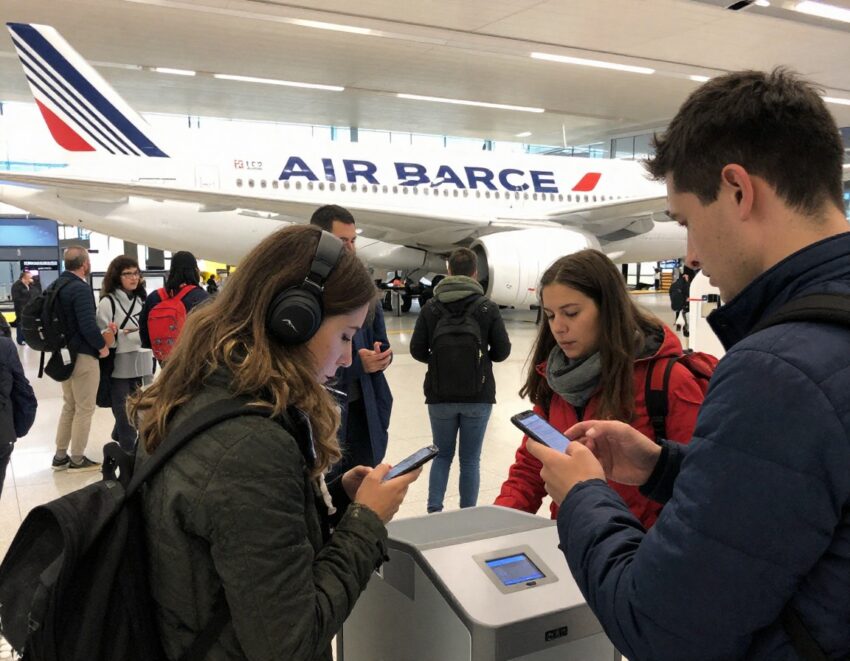
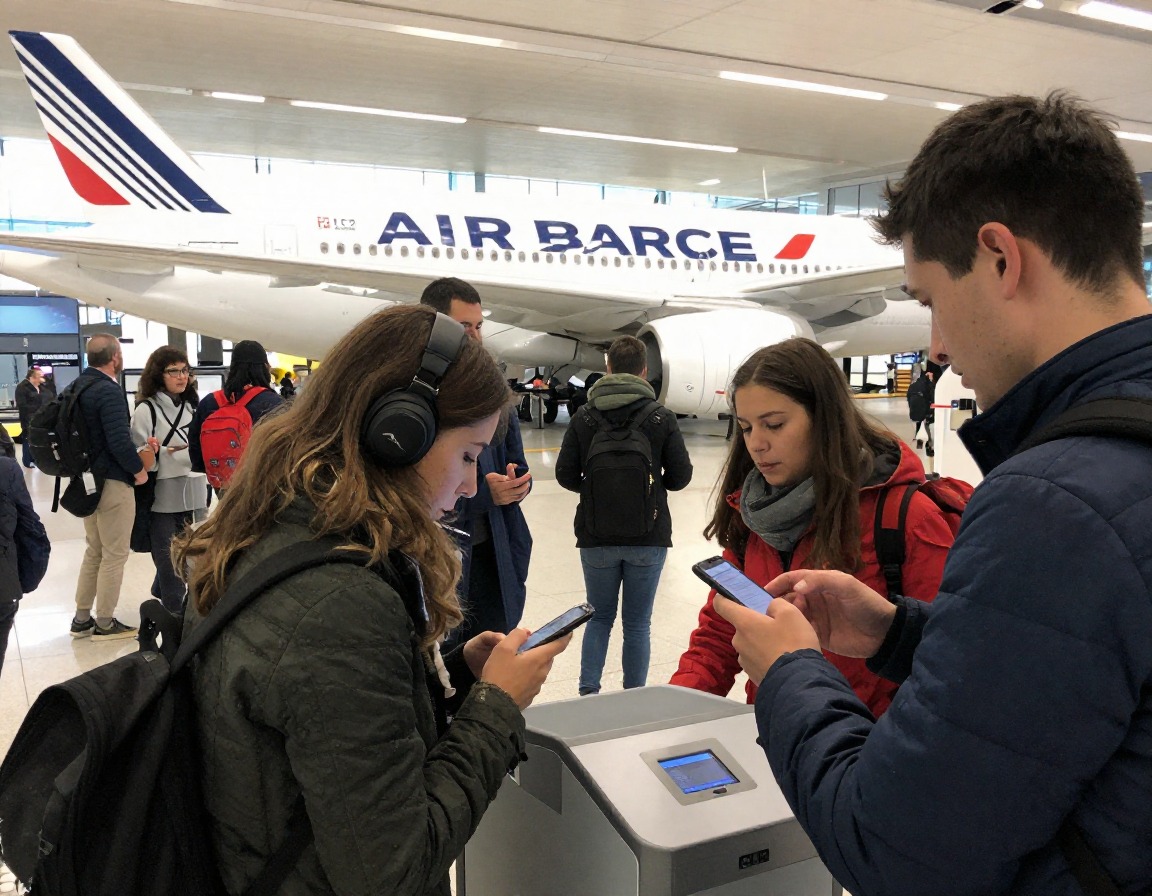
France and Spain are leading a global travel surge, attracting millions of visitors each year with their rich cultural heritage, iconic landmarks, and world-class cuisine. As these countries continue to dominate the tourism scene, Air France and Iberia are at the forefront of a revolutionary shift in air travel, embracing cutting-edge mobile technology and biometric innovations to enhance the passenger experience. With travel recovery in full swing, these airlines are not just meeting the growing demand but setting new standards for efficiency, security, and convenience. Passengers can now enjoy seamless check-ins, faster boarding, and a more personalized journey, all thanks to the integration of mobile apps and biometric systems at key airports. This technological evolution is reshaping the future of flying, making travel smoother, safer, and more enjoyable than ever before. Whether you’re traveling to Paris or Madrid, Air France and Iberia are leading the charge in providing an effortless, tech-driven experience that ensures you make the most of your trip.
France & Spain Are Leading a Global Travel Surge – Here’s How Air France and Iberia Are Using Mobile Tech and Biometrics to Stay Ahead!
The global travel industry has experienced an extraordinary surge, with France and Spain at the forefront of this recovery. These two countries, known for their rich history, culture, and cuisine, continue to attract millions of travelers from across the world. As the tourism landscape evolves, the integration of mobile technology and biometrics in air travel has become a game-changer, significantly improving the overall travel experience. Air France and Iberia, two major players in the European airline sector, have embraced these technological advancements to stay ahead of the curve, offering passengers a seamless and efficient journey. This article explores how these innovations are reshaping air travel and the tourism experience in France and Spain, benefiting not just travelers but also the hospitality industry.
France and Spain Lead the Global Travel Surge
In 2025, France and Spain remain among the top travel destinations globally, with both countries experiencing a robust increase in international visitors. France continues to be the most visited country in the world, welcoming over 100 million international tourists annually. Spain is not far behind, ranking second with nearly 90 million visitors each year. Both nations have capitalized on their rich cultural heritage, iconic landmarks, and stunning landscapes to attract tourists from all corners of the globe.
The COVID-19 pandemic caused a temporary halt to international travel, but the resilience of the tourism sector in these countries has been evident as recovery has gained momentum. With strict health and safety measures in place, both France and Spain have opened their doors to international tourists, welcoming travelers back with open arms.
As the tourism industry recovers, it is clear that mobile technology and biometric innovations are becoming essential in shaping the future of air travel. From booking flights to boarding, technology is revolutionizing every step of the passenger journey. Both Air France and Iberia have invested heavily in these advancements, ensuring that travelers enjoy a faster, safer, and more efficient travel experience.
Air France and Iberia: Leaders in Adopting Mobile Tech and Biometrics
Air France, the flagship carrier of France, has long been known for its commitment to offering a high-quality travel experience. In recent years, the airline has embraced the digital revolution by integrating mobile technology and biometrics into its operations. Passengers flying with Air France can now use mobile apps to check in, receive digital boarding passes, and track their flights in real-time. The airline has also implemented biometric screening at several airports, allowing passengers to pass through security and board their flights without the need for physical documents.
Similarly, Iberia, Spain’s flagship airline, has adopted similar technologies to enhance the travel experience. The airline offers a seamless mobile check-in process, enabling passengers to bypass long queues and head directly to their gates. Iberia has also implemented biometric facial recognition technology at major airports, allowing passengers to board their flights with just a glance. This system not only speeds up the boarding process but also increases security by ensuring that passengers are who they claim to be.
Both airlines have made significant investments in these technologies to enhance customer satisfaction and streamline operations. By leveraging mobile apps and biometric identification, Air France and Iberia are able to offer a smoother and faster travel experience, reducing wait times and improving efficiency at every touchpoint.
How Mobile Tech Is Changing the Travel Landscape
Mobile technology has transformed the way people travel, offering a more personalized and efficient experience. With the rise of mobile apps, travelers can now access a wide range of services at their fingertips. From flight bookings to hotel reservations, mobile apps have become an indispensable tool for modern travelers.
Air France and Iberia have taken full advantage of this shift by developing user-friendly apps that provide passengers with all the information they need, right on their smartphones. Air France’s app allows travelers to check in, select seats, and even manage their bookings while on the go. The app also provides real-time updates on flight status, gate changes, and baggage claim details, ensuring passengers are always informed.
Iberia’s app offers similar features, including the ability to check in, track flights, and access personalized offers. In addition, the app provides passengers with access to their Iberia Plus loyalty points, making it easy for frequent flyers to redeem rewards and enjoy exclusive benefits.
Both airlines have also integrated mobile payment options, allowing passengers to purchase tickets, upgrade seats, and even book additional services, such as lounge access and extra baggage allowance, all through their mobile devices. This shift towards mobile-first services has not only enhanced the passenger experience but has also streamlined operations, reducing the need for paper tickets and boarding passes.
Biometrics: The Future of Air Travel
Biometric technology is rapidly gaining traction in the travel industry, and both Air France and Iberia are leading the way in its adoption. The use of biometric identification for security checks and boarding is transforming the air travel experience, offering passengers a faster, more efficient way to navigate airports.
At major airports like Paris Charles de Gaulle and Madrid Barajas, passengers flying with Air France and Iberia can use facial recognition technology to pass through security and board their flights without the need for traditional identification documents. This biometric system works by scanning a passenger’s face at various checkpoints, matching it with the information stored in the airline’s database. The entire process takes just a few seconds, significantly reducing wait times and eliminating the need for paper tickets or boarding passes.
The implementation of biometric technology has not only improved the speed and efficiency of airport procedures but has also enhanced security. By using facial recognition, airlines and airports can ensure that passengers are who they claim to be, reducing the risk of identity fraud and increasing the safety of air travel.
Biometric systems also offer a more seamless travel experience. Passengers no longer have to fumble for their passports or boarding passes at every checkpoint. With a quick scan of their face, they can move through security and boarding gates effortlessly, making the entire journey more convenient and stress-free.
The Impact on the Hospitality Industry
As mobile technology and biometrics continue to shape air travel, the hospitality industry is also benefiting from these advancements. With the rise of mobile check-ins and digital services, hotels in France and Spain are adopting similar technologies to enhance the guest experience.
Hotels in major cities like Paris, Barcelona, and Madrid are increasingly offering mobile check-in options, allowing guests to skip the traditional front desk process and head straight to their rooms. This technology not only saves time but also provides guests with a more personalized experience. Some hotels have even implemented biometric systems for room access, allowing guests to unlock their rooms with a simple fingerprint or facial scan.
The integration of mobile tech and biometrics in the hospitality sector also improves operational efficiency. Hotels can streamline check-in and check-out processes, reducing the need for physical paperwork and minimizing the risk of errors. Additionally, guests can use their smartphones to access services such as room service, concierge assistance, and hotel amenities, making their stay more convenient and enjoyable.
Travel Tips for Tourists Visiting France and Spain
- Use Mobile Apps: Download the Air France or Iberia app before your trip to manage your bookings, check in, and receive real-time updates about your flight. You can also access exclusive offers and loyalty rewards through the app.
- Embrace Biometric Technology: If you’re flying with Air France or Iberia, take advantage of biometric facial recognition at airports for a faster and smoother travel experience. Make sure your face is properly registered at check-in to use this service.
- Book in Advance: France and Spain are popular destinations, so it’s advisable to book your flights and accommodations well in advance, especially during peak seasons like summer and holidays.
- Stay Connected: Stay connected with mobile Wi-Fi options available at airports and hotels. This will help you navigate your way through the cities and stay in touch with loved ones.
- Explore Beyond the Major Cities: While Paris, Madrid, and Barcelona are must-see destinations, consider visiting smaller cities like Lyon, Seville, or Bilbao for a more authentic travel experience.
- Cultural Etiquette: In France, greeting locals with a polite “Bonjour” or “Bonsoir” can go a long way in making a good impression. In Spain, a warm “Hola” and a friendly smile will make you feel welcome.
Flight Details and Travel Essentials
Air France and Iberia offer multiple daily flights from major international airports to cities in France and Spain. Air France operates direct flights from cities like New York, Los Angeles, and Tokyo to Paris, while Iberia offers nonstop services from cities such as London, Miami, and Buenos Aires to Madrid. Both airlines provide a range of seating options, from economy to premium cabins, ensuring a comfortable and enjoyable flight for all passengers.
When traveling to France and Spain, it’s important to carry a valid passport and any necessary visas, depending on your country of origin. While biometric identification is available for flight check-ins, travelers should still carry traditional travel documents when crossing international borders.
Wrapping Up
The integration of mobile technology and biometrics in air travel has revolutionized the way we fly, and Air France and Iberia are leading the charge in providing seamless, efficient, and secure travel experiences. As these airlines continue to innovate, travelers can look forward to smoother journeys and more convenient services. France and Spain’s tourism industries are set to thrive in the coming years, with technology playing a key role in shaping the future of travel. Whether you’re exploring the streets of Paris or lounging on the beaches of Barcelona, mobile apps and biometric systems will make your journey easier, faster, and more enjoyable. So pack your bags, download those apps, and get ready to experience the future of travel firsthand.
