

.
Spain’s Costa del Sol has been welcoming sunseekers for decades, yet it remains every bit as magnetic today as it was in its golden-age heyday. Stretching along the Mediterranean in southern Andalusia, this “Sun Coast” blends over 300 days of sunshine a year, warm seas, golden beaches, charming whitewashed towns and an increasingly sophisticated food and cultural scene. That combination explains why Spain’s Costa del Sol is still Europe’s ultimate sunshine escape for couples, families, retirees and digital nomads alike.
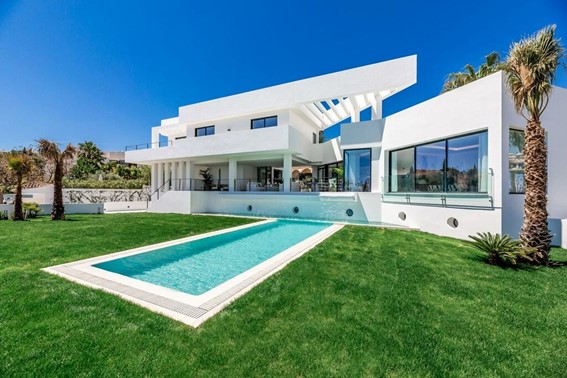
If you’re already dreaming of waking up to sea views, private pools and blue skies, you can start with premium Marbella Villa Rentals to get a sense of what a sunshine escape here can look like in real life.
Sunshine Statistics: Why Spain’s Costa del Sol Is Still Europe’s Ultimate Sunshine Escape
The climate is the foundation of the Costa del Sol’s appeal. This stretch of Andalusian coastline sits between the Mediterranean Sea and several protective mountain ranges such as the Sierra Blanca and Montes de Málaga. These mountains shield the coast from colder northern air, creating a mild microclimate that feels noticeably warmer and sunnier than many other Mediterranean destinations.
Some key climate facts that keep people coming back:
- 320+ sunny days per year on much of the Costa del Sol
- Average winter daytime temperatures: around 16–18°C (61–64°F)
- Average summer daytime temperatures: around 28–30°C (82–86°F) on the coast
- Sea temperatures: usually comfortable for swimming from May to October
- Rainfall: concentrated mostly in short spells between November and March
You can think of the year in simple “sun seasons”:
- Mild, light-filled winters (Dec–Feb): perfect for golf, hiking, quiet beach walks and long terrace lunches in a sweater rather than a heavy coat.
- Spring (Mar–May): warm, bright and full of flowers, with long, pleasant days and cooler nights.
- High summer (Jun–Aug): classic beach weather, busy but vibrant, with warm evenings ideal for late-night dinners by the sea.
- Golden autumn (Sep–Nov): still beach-friendly, with warm seas and fewer crowds, often considered the sweet spot by regular visitors.
This exceptional reliability of sun and warmth is a central reason why Spain’s Costa del Sol is still Europe’s ultimate sunshine escape, especially for Northern Europeans who want to trade grey skies for blue horizons without a long-haul flight.
Beaches and Coastal Lifestyle on Spain’s Costa del Sol
The beaches are the second pillar of the region’s appeal. Rather than one long, identical stretch of sand, the Costa del Sol offers a patchwork of very different beach experiences, from lively urban promenades lined with restaurants to tucked-away coves with a more natural feel.
You will find:
- Family-friendly urban beaches with showers, lifeguards and children’s play areas
- Chiringuitos (beach bars) serving fresh fish, tapas and cold drinks right on the sand
- Stylish beach clubs with loungers, DJs and cocktail menus
- Quieter stretches and coves ideal for couples or those who prefer low-key relaxation
- Water-sports beaches offering paddleboarding, kayaking, sailing and jet-skiing
Several beaches along the coast regularly earn Blue Flag status, indicating good water quality and proper facilities. The long, well-maintained promenades (paseos marítimos) of towns like Marbella, Estepona and Fuengirola turn simple walks into scenic rituals, especially at sunset when the skies glow pink over the sea and the mountains.
Importantly, the coastal lifestyle extends beyond simply lying on the sand. Many residents and visitors adopt a Mediterranean rhythm: morning walks by the sea, a relaxed lunch outdoors, a siesta or pool break during the hottest hours, followed by an evening stroll and late dinner. This slower, outdoor-focused way of living is a subtle but powerful reason why Spain’s Costa del Sol is still Europe’s ultimate sunshine escape for those looking not just for a holiday, but for a lifestyle reset.
Culture, History and Andalusian Soul
Behind the sunshine-and-beach postcard image lies a region rich in history and culture. The Costa del Sol sits within Andalusia, a region shaped by Phoenician, Roman, Moorish and Christian influences over thousands of years. This mix is visible everywhere: in the architecture, the music, the food and even in the everyday pace of life.
Highlights include:
- Málaga city: once overlooked, now a cultural hotspot with a beautifully restored historic center, a thriving tapas scene, and numerous museums and galleries.
- Marbella’s Old Town (Casco Antiguo): whitewashed houses, flower-filled balconies and orange trees around the Plaza de los Naranjos create a classic Andalusian atmosphere.
- White villages (pueblos blancos): places like Mijas Pueblo or Frigiliana cling to the hillsides, offering narrow, winding streets and sweeping sea views.
- Festivals and traditions: Easter processions (Semana Santa), summer ferias, and local romerías (pilgrimages) all mix religious tradition with music, food and a strong sense of community.
Why Spain’s Costa del Sol Is Still Europe’s Ultimate Sunshine Escape for Food Lovers
Cuisine is a major part of the Costa’s modern identity. The food scene has evolved from simple beach fare to a full spectrum of dining experiences, from rustic tapas bars to Michelin-starred restaurants.
Expect:
- Fresh seafood and fish: sardines cooked on skewers over open fires (espeto de sardinas), grilled octopus, and fried fish platters.
- Classic Andalusian dishes: gazpacho and salmorejo (chilled tomato soups), jamón ibérico, local cheeses and olive oils.
- Contemporary Mediterranean cuisine: creative interpretations of traditional recipes, often focusing on fresh, local produce.
- International choices: a wide range of global cuisines thanks to the cosmopolitan population and international visitors.
Many visitors discover that what starts as a “sun holiday” becomes a culinary journey, one more reason why Spain’s Costa del Sol is still Europe’s ultimate sunshine escape for people who value good food as much as good weather.
Outdoor Activities Beyond the Beach
The Costa del Sol is framed by hills and mountains, which means that in addition to the sea, there is an entire outdoor playground on its doorstep. This is especially appealing to travelers who don’t want to choose between a relaxing break and an active one.
Popular activities include:
- Golf: often nicknamed the “Costa del Golf,” the region boasts dozens of golf courses, many with sea views and high-quality facilities.
- Hiking and nature walks: trails in the nearby Sierra Blanca, Montes de Málaga, and natural parks offer everything from gentle walks to more demanding hikes.
- Adventure experiences: such as the famous Caminito del Rey walkway, canyoning in mountain rivers, or paragliding in selected areas.
- Cycling: both road cycling and mountain biking are popular, with varied terrain and generally favorable weather.
- Family activities: water parks, zoos, adventure parks and boat trips keep younger travelers entertained.
Why Spain’s Costa del Sol Is Still Europe’s Ultimate Sunshine Escape for Active Travelers
For active travelers, the appeal lies in versatility. You can hike in the hills in the cool morning air, enjoy lunch in a village square, then spend the afternoon by the pool or sea. The reliable sunshine makes it easier to plan outdoor activities without constantly checking the weather forecast. This mix of relaxation and activity within a compact area reinforces why many return year after year.
Accessibility, Infrastructure and Value for Money
Another reason why Spain’s Costa del Sol is still Europe’s ultimate sunshine escape is how easy it is to reach and navigate. Málaga-Costa del Sol Airport is one of Spain’s busiest, with extensive connections to major European cities. From the airport, the main resorts and towns are typically within 30–60 minutes by road or train.
Key advantages:
- Good transport links: modern highways, coastal trains connecting key points, and plentiful taxis and ride services.
- Broad accommodation range: from luxury villas and 5-star hotels to budget apartments and family-friendly resorts.
- Year-round tourism ecosystem: restaurants, shops and services stay open far longer than in purely seasonal destinations.
- Strong healthcare and services: reputable private and public medical facilities, pharmacies, and multilingual professionals.
In terms of value, while some parts of the coast (such as Marbella and Puerto Banús) can be upscale, the region as a whole offers good price-to-quality ratios compared to many other European seaside destinations. Dining out, transport and even long-term rentals can still be relatively affordable, especially outside peak summer.
Choosing Where to Stay on the Costa del Sol
Different areas cater to different types of visitors:
- Marbella & Puerto Banús: glamorous, with designer boutiques, upscale restaurants and nightlife. Ideal if you want a mix of beach, luxury and social life.
- Estepona: increasingly popular, with a charming old town, a well-kept promenade and a relaxed but stylish feel.
- Mijas Costa & Fuengirola: family-friendly, with long beaches, many services and a wide range of budget to mid-range options.
- Benalmádena & Torremolinos: lively, with plenty of entertainment, bars and attractions close to Málaga.
- Nerja and the eastern Costa del Sol: a bit more traditional and scenic, with cliffs, coves and a smaller-town atmosphere.
This variety gives visitors freedom to choose the version of the Costa del Sol that best fits their lifestyle and budget, reinforcing its status as a long-standing favorite.
Practical Tips to Make the Most of Your Sunshine Escape
To fully enjoy why Spain’s Costa del Sol is still Europe’s ultimate sunshine escape, a few simple strategies help:
- Best times to visit:
- For beach and buzz: June–September
- For warmth without peak crowds: April–May and late September–October
- For golf, hiking and mild sun: November–March
- What to pack:
- Light, breathable clothing and a hat for the sun
- A light jacket or sweater for evenings outside high summer
- High-SPF sunscreen and sunglasses (the sun can be strong even in winter)
- Getting around:
- Consider renting a car if you want to explore multiple towns or inland villages.
- Use trains and buses for straightforward coastal journeys and to avoid parking issues in busier centers.
- Eating and daily rhythm:
- Lunch is often later (from 1:30–3:30 pm), and dinners start later than in many northern countries.
- Try to align with local timing to enjoy the full atmosphere of terraces and promenades.
- Respecting the climate:
- In high summer, plan outdoor activities for early morning or late afternoon.
- Use the midday hours for rest, shade, pool time or leisurely meals.
Why Spain’s Costa del Sol Is Still Europe’s Ultimate Sunshine Escape: Final Thoughts
When you combine reliable sunshine, beautiful beaches, Andalusian charm, rich food culture, and a well-developed, accessible coastline, it becomes clear why Spain’s Costa del Sol is still Europe’s ultimate sunshine escape after all these years. It offers more than just good weather: it offers a way of life that is relaxed, outdoors, social and deeply connected to the sea and the seasons.
Whether you come for a short break to recharge, a longer stay to work remotely in the sun, or a family holiday with something for everyone, the Costa del Sol continues to deliver the same essential promise: blue skies, warm days, and a lifestyle that makes it hard to leave—and easy to return.