
Published on
January 18, 2026

In 2026, Italy joins France, Spain, the UK, Greece, the Netherlands, and other European countries in shifting the financial burden of tourism onto visitors rather than residents. This strategy, designed to boost regional travel, introduces various new taxes and fees across popular destinations. From Venice’s residency-based fee structure to Greece’s “Climate Crisis” Levy, these measures aim to ensure that tourists contribute to the infrastructure and environmental costs associated with their visits. By distinguishing between residents and visitors, these countries are seeking sustainable ways to manage the increasing pressures of tourism while benefiting local economies.
Venice: The “Residency Split”

Venice has implemented a prominent example of dual pricing for 2026, creating a residency-based fee structure for day-trippers. For 60 peak days, non-residents will be required to pay an Access Fee for entering the city. The fee is €5 if booked 4 or more days in advance but increases to €10 for last-minute bookings. Interestingly, residents of Venice and the broader Veneto region are exempt from this charge entirely. In addition, hotel guests do not pay the Access Fee but are subject to a “Tassa di Soggiorno” (Hotel Tax) of up to €5 per night. This creates a clear distinction between residents and tourists, making local residents the primary beneficiaries of these new policies.
| Tax Type | Amount | Who Pays |
|---|---|---|
| Access Fee (Non-Resident) | €5 (booked 4+ days in advance) / €10 (last-minute) | Non-residents (day-trippers) |
| Hotel Tax (Tassa di Soggiorno) | Up to €5 per night | Hotel guests (non-residents) |
| Resident Exemption | None | Residents of Venice and Veneto |
Paris & France: The “Non-EU” Attraction Surcharge (2026)

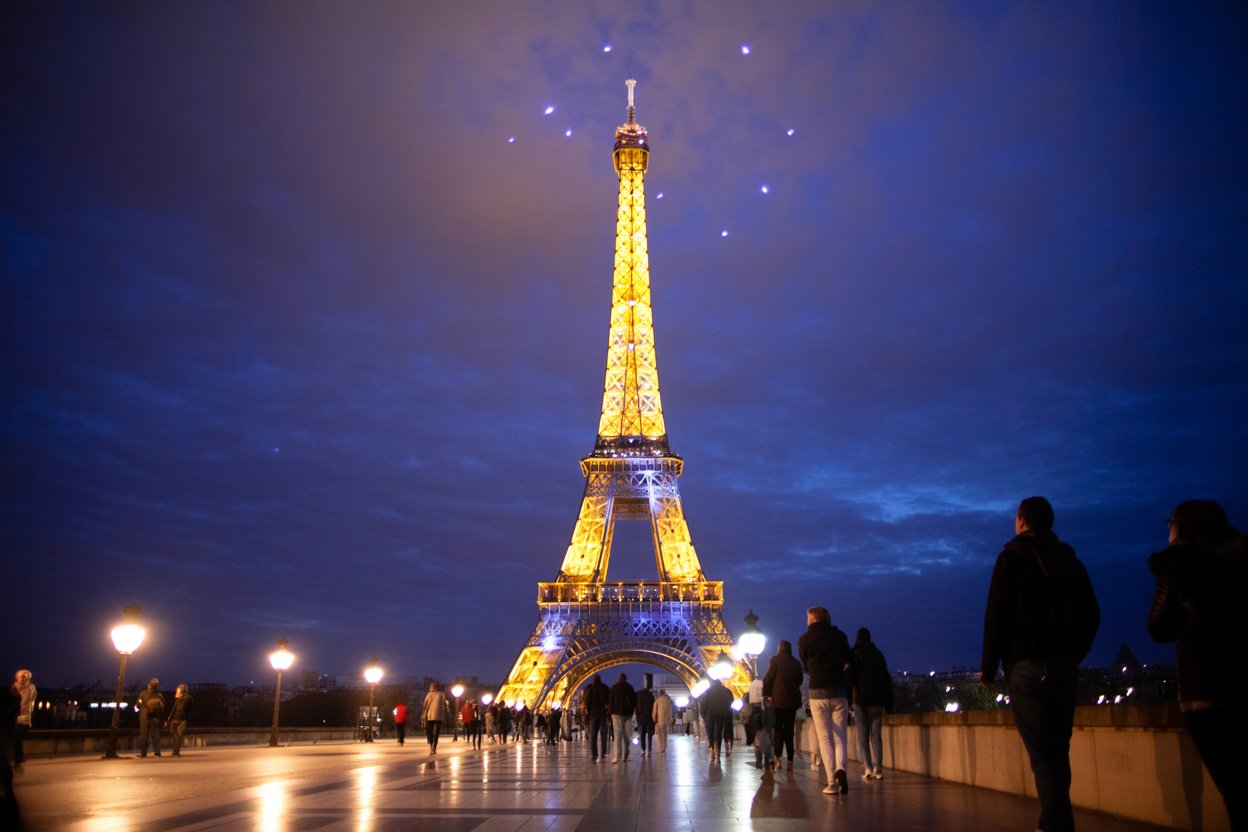
In Paris, dual pricing has been implemented for major attractions starting in 2026. The Louvre and Versailles have raised their prices for non-EU visitors. Non-EU tourists now pay €32 to enter the Louvre, while EU residents under the age of 26 enjoy free or discounted entry. This system creates a tiered pricing structure based on residency status, making international visitors bear the full price. Hotel taxes in Paris are also adjusted for luxury accommodations, with the highest rates charged for “Palace” category hotels. This tax, which is essentially a “wealth tax,” targets high-spending international tourists to maintain the city’s infrastructure and cultural heritage.
| Tax Type | Amount | Who Pays |
|---|---|---|
| Attraction Fee (Louvre, Versailles) | €32 (non-EU visitors) | Non-EU visitors |
| Hotel Tax (Luxury Hotels) | Up to €15.60 per night | Hotel guests (luxury stays) |
| Resident Exemption | Free or discounted | EU residents under 26 |
Barcelona’s Triple-Layer Tax

Barcelona has one of the most complex tax structures for visitors in 2026. Tourists face a triple-layered tax system: a regional tax, a city surcharge, and VAT. As of April 2026, the city surcharge has increased to €5 per night. Additionally, visitors are subject to VAT, and local residents are exempt from these taxes when staying within their municipality. This tax system is designed to ensure that visitors contribute significantly to the upkeep of the city’s infrastructure, essentially shifting the financial burden from residents to tourists. As a result, Barcelona becomes one of the most expensive cities for tourists in Europe.
| Tax Type | Amount | Who Pays |
|---|---|---|
| Regional Tax | Varies | All visitors |
| City Surcharge | €5 per night | All visitors |
| VAT | Standard VAT rate | All visitors |
| Resident Exemption | None | Local residents |
Edinburgh’s Visitor Levy (Starting July 24, 2026)

In 2026, Edinburgh is introducing a visitor levy in the form of a 5% surcharge on the accommodation price. This new tax will apply to all hotel, B&B, and short-term rental stays, with the charge capped at 5 nights per stay. While it applies to all visitors, it is specifically marketed as a “visitor levy” to offset the infrastructure costs that international tourists place on the city. This levy is expected to generate significant revenue for Edinburgh, particularly during the busy summer months, and is part of a broader effort to manage the increasing number of tourists in the city’s historic center.
| Tax Type | Amount | Who Pays |
|---|---|---|
| Visitor Levy | 5% of the accommodation price | All visitors (including UK residents) |
| Limit | Capped at 5 nights | All visitors (including UK residents) |
Greece: The “Climate Crisis” Levy (2026)

Greece introduced a “Climate Crisis Resilience Fee” in 2024, replacing the former bed tax, and the fee has increased for the 2026 peak season. This seasonal tax is lower during the off-season (November–February), making it more expensive for international tourists who visit Greece in the summer. In addition to this tax, cruise passengers visiting popular islands like Santorini and Mykonos will be required to pay a €20 disembarkation fee. This fee does not apply to local travelers who use ferries. The dual nature of the tax reflects the seasonal nature of Greece’s tourism industry and is designed to address the environmental costs of increased tourism.
| Tax Type | Amount | Who Pays |
|---|---|---|
| Climate Crisis Levy | Varies (lower off-season, higher in summer) | International tourists |
| Cruise Tax | €20 disembarkation fee | Cruise passengers (non-locals) |
| Resident Exemption | None | Local residents |
Amsterdam: The “Tourism Tax”

Amsterdam has long been a popular destination for tourists, and in 2026, the city is increasing its efforts to balance the economic benefits of tourism with the burden it places on local resources. The “Tourism Tax” in Amsterdam is tiered based on the type of accommodation and the duration of the stay. In addition to the standard city tax, which is 7% of the accommodation price, a flat fee of €3 per person, per night is now applied to hotel stays. This tax is designed to support local infrastructure and help preserve the city’s unique heritage sites. Locals are not subjected to this fee, only tourists, making it another example of dual pricing that distinguishes between residents and visitors. This approach aims to ensure that the costs of tourism are borne by those who contribute most to the city’s economy.
| Tax Type | Amount | Who Pays |
|---|---|---|
| Tourism Tax (Accommodation) | 7% of the accommodation price | All visitors |
| Flat Fee (Accommodation) | €3 per person, per night | All visitors |
| Resident Exemption | None | Local residents |
Europe’s Evolving Tourism Landscape
In 2026, Europe’s tourism sector is undergoing a significant shift as countries like Italy, France, Spain, and Greece implement new measures to ease the burden on local residents. By introducing taxes and fees targeted at visitors, these nations aim to preserve infrastructure and address environmental challenges. The move seeks to balance the economic benefits of tourism with the well-being of local communities, ensuring that travelers contribute fairly to maintaining Europe’s cultural heritage and natural beauty. As a result, tourists are increasingly being asked to pay their share, making the future of European tourism more sustainable.
In 2026, Italy joins France, Spain, the UK, Greece, the Netherlands, and others in Europe by shifting the financial burden of tourism onto visitors rather than residents. This move aims to boost regional travel while managing infrastructure and environmental costs.
Conclusion
Italy’s decision to join France, Spain, the UK, Greece, the Netherlands, and other European countries in shifting the financial burden of tourism onto visitors reflects a broader strategy to boost regional travel. By implementing residency-based fees and targeted taxes, these nations are ensuring that tourists contribute to maintaining local infrastructure and addressing environmental challenges. This trend highlights a shift in how Europe manages the economic pressures of tourism, aiming for a more sustainable approach that balances the needs of residents and the influx of visitors, ultimately benefiting both local economies and the environment.
