
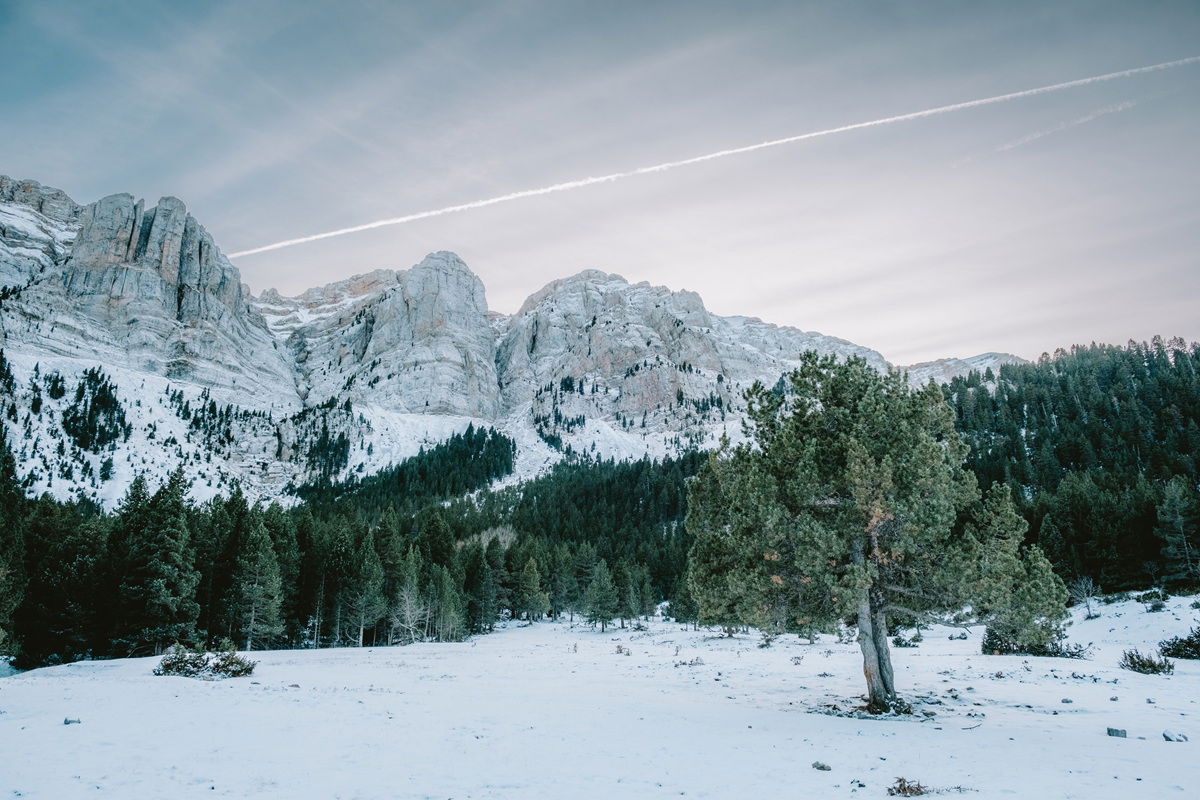
Winter landscapes in Spain can be colder than many expats expect, especially inland and in mountainous regions.
Credit : Fran_Torres, Shutterstock
Ask any expat about their first winter in Spain and you’ll often get the same reaction: surprise. Not because the country suddenly turns icy or extreme, but because winter doesn’t behave the way most people imagine it will.
Spain’s sunny reputation is built on summer memories, beach holidays and glossy photos. But once December arrives, reality sets in. Winter here is rarely harsh, but it can still catch newcomers off guard – especially indoors. And the truth is, winter in Spain feels very different depending on where you live, how you live, and what you expected before you arrived.
For most expats, winter isn’t a deal-breaker. It’s an adjustment.
So… Is winter in Spain actually cold?
The honest answer is: sometimes, but not in the way you expect.
Across much of mainland Spain, daytime winter temperatures usually sit somewhere between 8°C and 18°C. On paper, that sounds mild, especially if you’re coming from northern Europe. And outside, on a sunny day, it often feels perfectly pleasant. People sit on terraces, walk without coats, and carry on as normal.
The surprise comes later — when the sun goes down.
Inland areas cool quickly at night. Coastal areas hold onto warmth, but humidity creeps in. Northern regions deal with rain and grey skies. Southern Spain stays brighter, but evenings still bite. It’s not dramatic cold, but it’s persistent – and that’s what catches people out.
Snow is rare in most cities, but very real in mountain regions. One of Spain’s quirks is that you can be skiing in the morning and eating lunch by the sea a few hours later.
Why so many expats say their Spanish home feels colder than outside
This is the part almost no one tells you before you move.
Spanish homes were built to survive hot summers, not cold winters. As a result, many properties struggle once temperatures drop, even slightly. Thin walls, single-glazed windows, tiled floors and basic heating systems are common, especially in older buildings.
You’ll hear expats say things like: “I was warmer outside than in my flat.” And they’re not exaggerating.
Once the sun disappears, indoor temperatures fall quickly. In coastal areas, damp air makes the chill feel sharper. In inland cities, the air is drier but colder. Heating exists, but it’s often electric, expensive, or designed for short bursts rather than all-day warmth.
For many people, winter discomfort isn’t about coats and scarves. It’s about cold feet, blankets on the sofa and learning how to heat one room at a time.
One Country, Very Different Winters
Spain doesn’t have one winter – it has several.
In northern Spain, winter tends to be wetter and greyer. Temperatures aren’t extreme, but rain and humidity dominate. It’s the part of the country that feels most “European” in winter.
Move inland, and things change. Cities like Madrid experience crisp days and cold nights. The sky stays clear, but temperatures drop sharply after sunset. Heating becomes essential, especially in older flats.
Along the Mediterranean coast and southern Spain, winters are generally milder and brighter. Daytime sunshine makes a big difference to mood and daily life, even if nights are still cool. This is why these regions remain so popular with expats year-round.
Head to the mountains, and winter behaves as you’d expect: cold, snow and proper seasonal weather.
Then there are the Canary Islands, which play by their own rules. Winter there feels more like spring, with steady temperatures and lots of sunshine. For expats who truly don’t want winter at all, this is as close as Spain gets to an escape.
What winter is like in Spain’s big cities
Madrid’s winters surprise many newcomers. Days can be bright and enjoyable, but nights are cold, and poorly insulated flats cool down fast. Heating matters here more than people realise.
Barcelona feels milder, but humidity adds a twist. Damp air makes evenings feel colder than the thermometer suggests, especially in older central neighbourhoods.
In both cities, winter is manageable – but your comfort depends far more on your building than the weather forecast.
Is winter in Spain a problem for expats?
For most people, no. But it can be uncomfortable if expectations are unrealistic.
Many expats choose where to live based on summer impressions. Blue skies and beach life don’t tell you how a flat behaves in January. Those who struggle most are usually the ones who didn’t factor in insulation, heating or regional climate differences.
The smartest move? Spend at least one winter in a place before committing long-term. It’s the quickest way to avoid unpleasant surprises.
If Winter Comfort Matters, Here’s What Helps
Location matters, but housing matters more. Newer properties with double glazing and decent heating make an enormous difference, even in colder regions. Sun exposure also plays a role – a bright flat can feel completely different from a shaded one.
Southern regions and coastal areas offer more winter light, which helps both temperature and mood. But wherever you settle, understanding winter life before signing long contracts is key.
The reality check most expats eventually appreciate
Winter in Spain isn’t endless summer – but it isn’t misery either. It’s quieter, slower and often more local. Streets empty earlier, routines shift indoors, and the country takes a breath before spring arrives.
The biggest lesson for expats is this: winter here isn’t about extreme cold. It’s about preparation, housing and knowing what to expect.
Once you adjust, winter becomes just another season – and for many, a surprisingly comfortable one.
Stay tuned with Euro Weekly News for more news from Spain