
Published on
January 21, 2026

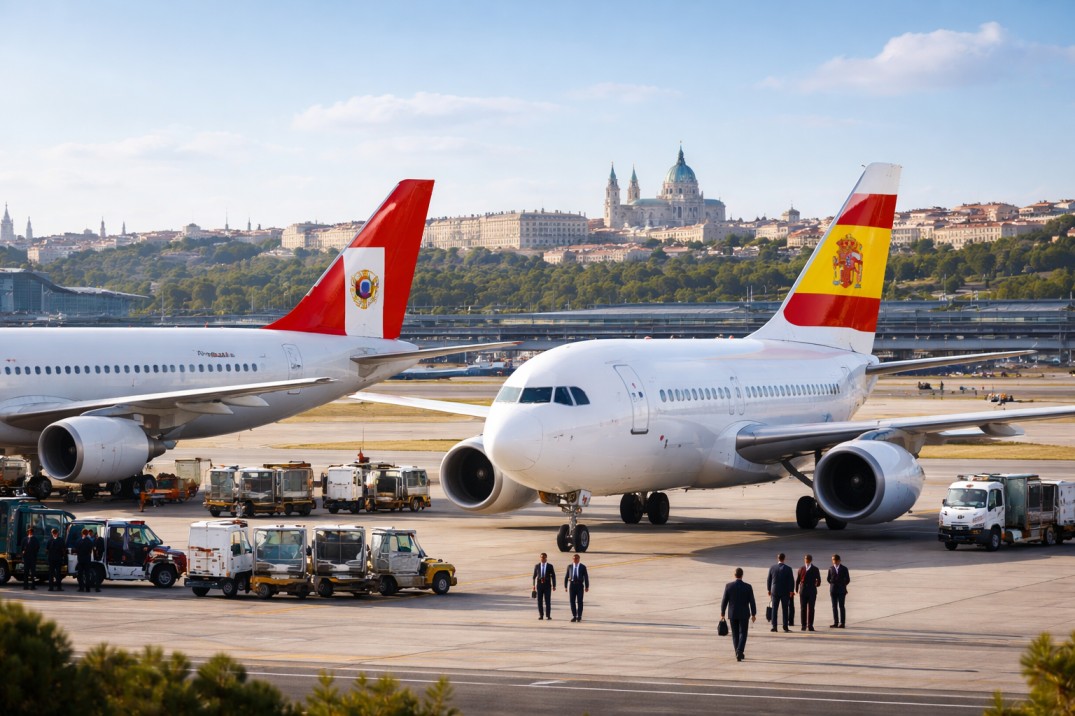
Peru and Spain have reached a historic milestone in air connectivity, marking a significant step towards strengthening tourism and trade between the two countries in FITUR 2026. The bilateral air transport agreement eliminates all air capacity restrictions on flights between Peru and Spain, creating a new era of connectivity that is set to transform the tourism landscape in both nations.
The agreement has been hailed by Peru’s Ministry of Transportation and Communications (MTC) and its General Directorate of Civil Aeronautics as a pivotal moment in the history of Peru’s air transport relations with one of Europe’s most important tourism markets. The deal promises to open up unlimited possibilities for travelers between both countries, further integrating them into the global tourism ecosystem.
What Does the Agreement Mean for Tourism
With the new bilateral agreement in place in FITUR 2026, all capacity limits on flights between Lima and Madrid (and other key cities) are now removed. This opens up new opportunities for unlimited frequencies for both passenger and cargo flights. For travelers, this means more convenient options and greater flexibility when booking flights to and from both nations.
One of the key features of the agreement is the third and fourth freedom rights, which allow airlines to operate direct round-trip services for both passengers and freight. This significantly boosts the availability of flights for both tourists and business travelers, making it easier for them to visit Peru and Spain.
Advertisement
Advertisement
In addition to the unlimited flight frequencies, the agreement also grants full fleet flexibility. This allows airlines to better plan routes and schedules, ensuring that they can meet growing demand efficiently. With this new flexibility, airlines are likely to introduce new routes, frequencies, and services that will make travel between Peru and Spain more accessible than ever before.
Boosting Tourism and Trade Between Peru and Spain
This move is expected to have a profound impact on tourism. Spain is one of Peru’s most important European markets, with a steady influx of Spanish tourists visiting the country each year. At the same time, many Peruvian travelers head to Spain to explore its rich history, culture, and stunning destinations. The new agreement is expected to increase tourism flows between both countries significantly, benefitting the hospitality sector, tour operators, and local economies in both regions.
Spain’s tourism industry will also see benefits, as Peru becomes an even more attractive destination for Spanish travelers looking to explore new and exotic locations in South America. By eliminating flight restrictions, the agreement helps both countries tap into each other’s growing tourist markets. As a result, both Lima and Madrid are set to see a surge in international visitors, leading to new economic opportunities for both regions.
Immediate Outcomes and Future Prospects
Following the signing of the agreement, Spanish airlines are already preparing to expand their operations. A new Spanish airline plans to operate flights between Lima and Barcelona, with flights expected to run three times per week. This development is just the beginning, and it is expected that many more routes and frequencies will follow as airlines respond to increasing demand.
The removal of flight restrictions and the introduction of full flexibility signals a strong future for Peru’s aviation industry. The country will now have a stronger presence in the European air transport market, and it is expected to see a rise in trade and tourism connections. More travelers, whether for leisure or business, will have the opportunity to experience the diverse and vibrant cultures of both nations. As tourism grows, so too will employment opportunities and investments in the local economy.
The agreement also promises to bring significant benefits to cargo services, allowing for more efficient movement of goods between South America and Europe. As trade grows, there will be a ripple effect across many sectors, including retail, agriculture, and manufacturing, making both countries more competitive on the global stage.
A Vision for the Future of Peru’s Aviation and Tourism
Peru’s Ministry of Transportation and Communications has emphasized that this new agreement is just the start of its broader strategy to enhance the country’s air transport infrastructure. The MTC has made it clear that strengthening global connectivity is a priority. This agreement with Spain is part of Peru’s efforts to position itself as a regional aviation hub, improving both international tourism and trade relations.
The impact on Peru’s tourism sector will be significant. By offering more affordable and convenient flight options, the agreement promises to encourage international travelers to visit Peru’s world-renowned attractions, including Machu Picchu, the Amazon rainforest, and the Nazca Lines. As Spanish and other European tourists flock to Peru, they will contribute to the growth of local tourism industries, from hospitality to tour services and beyond.
A Historic Step for Peru and Spain
The signing of this historic air transport agreement between Peru and Spain marks the beginning of an exciting new chapter in the relationship between both countries. The deal eliminates all air capacity restrictions and introduces unlimited flight frequencies, which will boost tourism, trade, and connectivity between the two nations. This move is set to enhance Peru’s role as a global tourism destination and further integrate it into the global economy.
With this agreement, Peru’s tourism industry is poised for a bright future. The country is now better positioned to receive more international tourists, particularly from Spain, one of its key European markets. This partnership will open doors for even more aviation connections, creating new opportunities for tourism and business alike. As the agreement moves into full force, both countries will witness a surge in travel that will benefit industries, local economies, and the people of both Peru and Spain.
