
23
Jan 2026
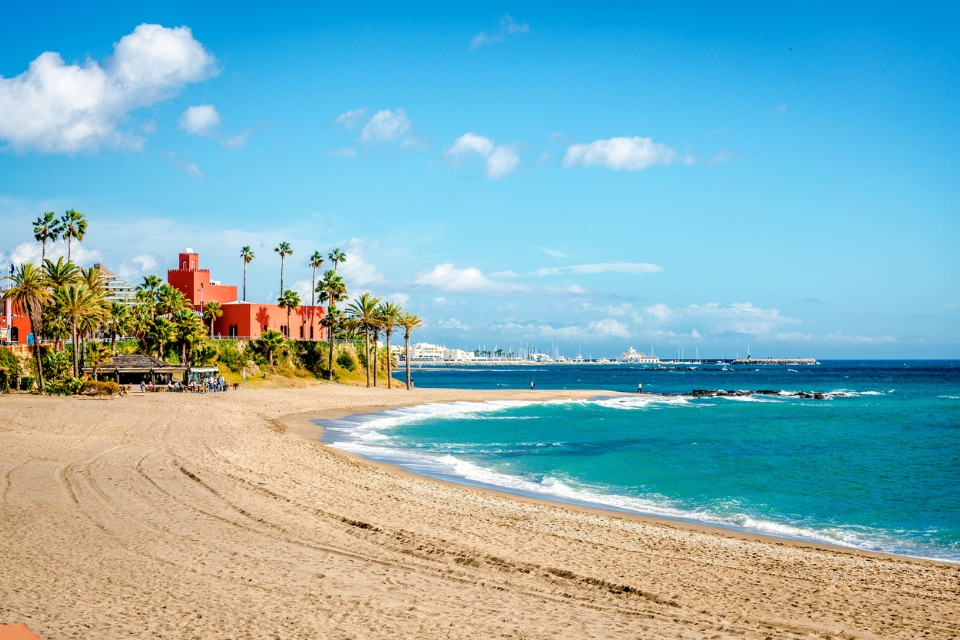
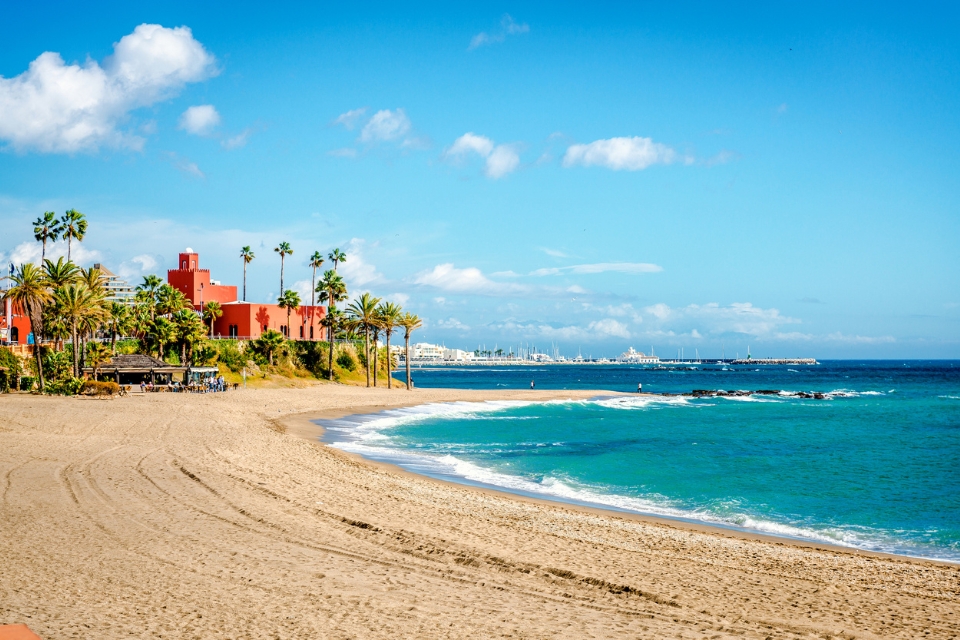
Spain’s tourism boom pushed international arrivals to a record 97 million in 2025.
The surge drove €135 billion in visitor spending while authorities tightened short-term rental rules in major destinations.
Records keep rising
Spain closed 2025 with 97 million international visitors, according to year-end data released by the Spanish government. The total marked a 3.5% increase compared with 2024 and kept Spain among the most visited countries worldwide.
Government figures showed that growth in arrivals was accompanied by a larger rise in visitor spending. Tourism authorities framed the year as one of high demand rather than a one-time surge.
Spending beats arrivals
International visitors spent about €135 billion in Spain in 2025, up 6.8% year over year. The increase in spending outpaced the rise in visitor numbers.
Tourism data also showed that spending growth was not limited to peak summer months. Authorities reported stronger activity during off-peak and shoulder seasons compared with pre-pandemic patterns.

(Image courtesy of Juhi Sewchurran via Unsplash)
Europe sends crowds
Travelers from Europe continued to account for the largest share of visitors. The United Kingdom, Germany, and France together made up roughly half of all international arrivals.
Long-haul travel increased as well. Official data pointed to continued growth from the United States and parts of Latin America, which tourism authorities associated with longer stays and higher average spending.
Tourism powers the economy
Tourism represented about 13% of Spain’s economy in 2025, based on estimates from the tourism lobby Exceltur. The sector supported employment across hospitality, transport, retail, and related services.
The Bank of Spain projected economic growth of nearly 3% for 2025, more than double the eurozone average. Government briefings linked part of that growth to international travel activity.

(Image courtesy of Colin + Meg via Unsplash)
Hotspots feel squeeze
High visitor numbers continued to affect popular destinations. Cities such as Barcelona and regions including parts of Andalusia, the Balearic Islands, and the Canary Islands faced pressure related to crowding and housing availability.
Public demonstrations against mass tourism took place in several locations during the year. Protesters raised concerns tied to rents, congestion, and environmental strain, according to reporting from Spanish and international outlets.
Spain reins in rentals
Short-term rentals became a central policy focus in 2025. Government data showed that the number of tourist rental properties in Spain’s most visited destinations declined during the year, reversing a long period of growth.
Authorities introduced tighter rules for holiday apartments and increased enforcement of existing regulations. Officials said that the measures were aimed at protecting long-term housing supply in areas with heavy tourist demand.

(Image courtesy of Alinson torres via Unsplash)
Inland trips pick up
Tourism growth extended beyond traditional hotspots. Government figures showed that rural and interior regions recorded visitor growth of about 60% between 2019 and 2025.
By comparison, established coastal and urban destinations grew by roughly 45% over the same period. Officials attributed the shift to changes in travel patterns, including increased interest in less crowded areas.
Border checks tighten travel
The record tourism year coincided with changes to EU border controls. The Entry-Exit System (EES) began operating in October 2025 and is being rolled out gradually at the EU’s external borders, including Spain.
EES digitally records the entry and exit of non-EU nationals traveling for short stays of up to 90 days within a 180-day period. The system replaces passport stamping and applies across participating Schengen countries.
A separate system, the European Travel Information and Authorization System (ETIAS), is scheduled to start operations in late 2026. ETIAS will require travelers from visa-exempt countries, including the United States and the United Kingdom, to apply online for travel authorization before short stays in most EU countries.
Tourism stays hot
Spain enters 2026 with visitor demand still high and regulatory controls expanding across housing and border management. Spending remains elevated, while short-term rentals and entry processes face closer oversight.
Future tourism policy is focused on managing volume and distribution rather than increasing arrival totals alone, as Spain adjusts to sustained pressure from record travel levels.