
Published on
September 10, 2025

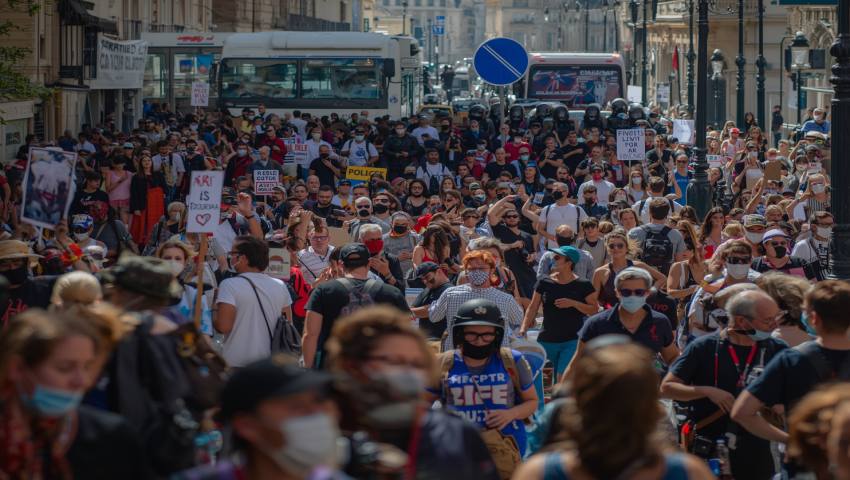
As Spain faces increasing unrest due to anti-tourism protests, travelers heading to popular destinations such as Mallorca and the Canary Islands in the upcoming months must be prepared for potential disruptions to their travel plans. These protests, driven by local frustrations over the impact of mass tourism, are making waves across the tourism industry, affecting everything from flights to road transport. This article will guide you on how to navigate these challenges, providing practical tips and alternatives for managing any disruptions you may encounter.
The Roots of the Protests: Overtourism and Its Impact
The protests, under the banner of “Bloquons Tout” (Let’s Block Everything), have emerged in response to what activists describe as the negative effects of overtourism on local communities. Key issues include:
- Rising property prices driven by foreign investors and the increasing number of short-term holiday rentals.
- Environmental degradation and the loss of cultural heritage.
- Overcrowding, which disrupts the daily lives of residents in popular destinations like Mallorca and the Canary Islands.
The protests are backed by a range of activist groups, unions, and political organizations who argue that the current tourism model is unsustainable. In Mallorca, groups like SOS Residents have been vocal in demanding changes to tourism policies that prioritize local needs over those of foreign investors. Similarly, in the Canary Islands, demonstrators have called for restrictions on tourism numbers to preserve the islands’ natural environments and ensure better living conditions for residents.
Travel Impact: What Does This Mean for Your Vacation?
If you’re planning a trip to Mallorca or the Canary Islands, it’s crucial to understand the full scope of potential disruptions:
Air Travel Disruptions
With ongoing protests, particularly around airports like Palma de Mallorca and Gran Canaria, travelers may experience flight cancellations, delays, and security issues. Airlines such as Ryanair and easyJet, which are major carriers for European tourists to these regions, are among the most impacted. Here’s what travelers need to know:
- Flight Cancellations: Due to the strikes, there has been an increase in flight cancellations, particularly with budget airlines. Travelers should regularly check their flight status and sign up for real-time updates from their airlines.
- Alternative Flights: If your flight is canceled, consider booking a direct flight through other airlines like Iberia or Vueling, or opt for alternative airports nearby, such as Alicante or Valencia, if feasible. Be flexible with your dates and explore options for connecting flights to avoid disruption.
By being prepared with alternative routes, you can avoid the stress of last-minute cancellations and secure a smooth journey.
Advertisement
Advertisement
Local Transport Challenges
Apart from air travel, local transport has been severely affected by the ongoing protests. Demonstrations have led to blockages on major roads and railway lines in Mallorca and the Canary Islands. Key areas like Palma, Santa Cruz de Tenerife, and Las Palmas have experienced disruptions in train services and public buses, complicating access to key tourist spots.
- Rerouted or Delayed Transport: High-speed TGV trains and regional services are operating with limited disruption, but local TER services have seen cancellations. You may need to plan extra time for travel and adjust your route accordingly.
- Use Alternative Transport: If you’re visiting central Mallorca, you can consider using ride-sharing apps or taxis if public transport options are unavailable. Additionally, local bicycle rentals and e-scooters can be convenient for short-distance travel while avoiding protest areas.
Safety Considerations: Stay Alert and Stay Safe
While the protests are primarily focused on tourism-related issues, they have sometimes escalated into violent clashes. Past demonstrations have involved vandalism, road blockages, and damage to tourist properties.
Advertisement
Advertisement
- Avoid Protest Areas: Stay clear of government buildings, universities, and major tourist districts where protests are likely to occur. Be aware of traffic disruptions and crowd movements, especially in Paris, Barcelona, or Madrid, where large protests may affect your travel routes.
- Follow Local Authorities: Always follow police instructions and avoid engaging in protests. If you are in a protest area, leave immediately to ensure your safety.
Alternative Destinations: Discover Quieter, Protest-Free Locations
With Mallorca and the Canary Islands facing such challenges, you may want to consider alternative destinations in Spain or elsewhere in Europe that offer similar charm without the crowds. For instance:
- Sierra de Grazalema, Andalusia: An idyllic area with fewer tourists and abundant nature.
- La Rioja: Known for its vineyards, quiet mountain ranges, and cultural landmarks.
- Valencia: A beautiful coastal city offering a mix of historical architecture, arts, and beaches with fewer crowds compared to Barcelona or Madrid.
These areas offer a peaceful, less crowded experience, away from the pressures of overtourism, and still provide excellent local culture and natural beauty.
Stay Informed: Real-Time Updates and Flexibility Are Key
- Monitor Official Sources: Always stay updated by checking official government advisories, airline updates, and local news for real-time changes to your itinerary.
- Use Travel Apps: Download apps like TripIt, FlightRadar24, and Google Maps to track any changes to your transportation routes and get alerts for disruptions or alternate options.
The Road Ahead: Striking a Balance Between Tourism and Sustainability
While the protests underscore valid concerns about the sustainability of mass tourism, the Spanish government is beginning to explore eco-tourism strategies and regulations to reduce overcrowding. This will likely impact the tourist rental industry, leading to the implementation of higher taxes on short-term rentals and incentives for more responsible travel models.
As tourism continues to be a crucial economic driver for Spain, balancing its growth with environmental preservation and local well-being will be essential for maintaining long-term benefits to both the economy and the residents.
Conclusion: Plan Ahead for a Smooth Journey
For travelers heading to Mallorca, Canary Islands, or other parts of Spain, it’s critical to plan ahead and stay flexible in the face of unrest. By monitoring disruptions, considering alternative routes, and embracing a sustainable tourism approach, you can still enjoy a rewarding vacation while supporting the local communities that make these destinations so special.
