
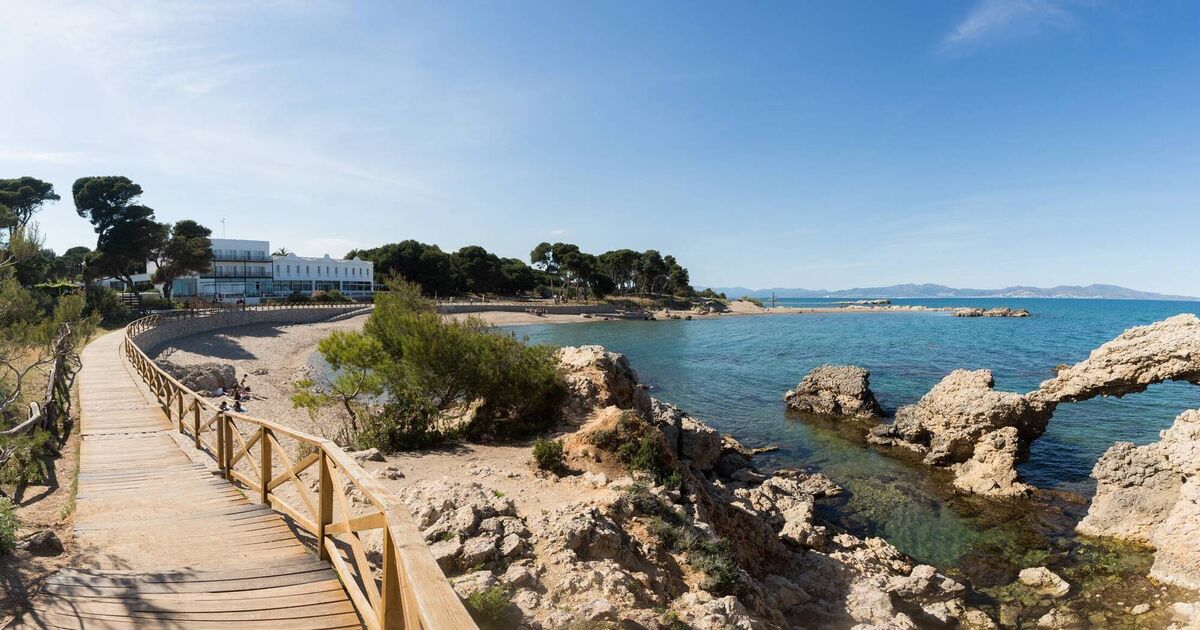
Like many Irish people, my first experience of Spain’s Costa Brava was in the form of a package holiday. My younger sister worked as a travel rep in L’Estartit back in 2001 and I used the opportunity to visit and “expand my horizons”. In reality, my horizon didn’t stretch further than the beach and surrounding bars. I had a blast, of course, but returned home seven shades of pink and obnoxiously ignorant of the seaside resort and surrounding region.
When the opportunity arose to revisit and explore a more sustainable side to the Costa Brava, Girona, and the nearby Pyrenees, I jumped at the chance to make up for my misspent youth. And while I have visited different parts of Spain many times in the intervening years, it has only ever been during the beach-worshipping summer months. Could an autumn trip reveal new delights?
I was also curious about the welcome we would get. The Spanish are notoriously friendly, but all summer long, the headlines from nearby Barcelona had told a different story — one of crowded streets, anti-tourism protests, and locals weary of visitors. I wondered what it would be like to explore an area so close, yet seemingly untouched by the same tensions.
Although a delayed Vueling flight to Barcelona knocked the wind out of our day-one itinerary, we still had a jam-packed weekend in store. A whistle-stop tour through the countryside provided a tantalising preview of what lay ahead: Expansive scenery, quaint hilltop villages, and unforgettable adventures.
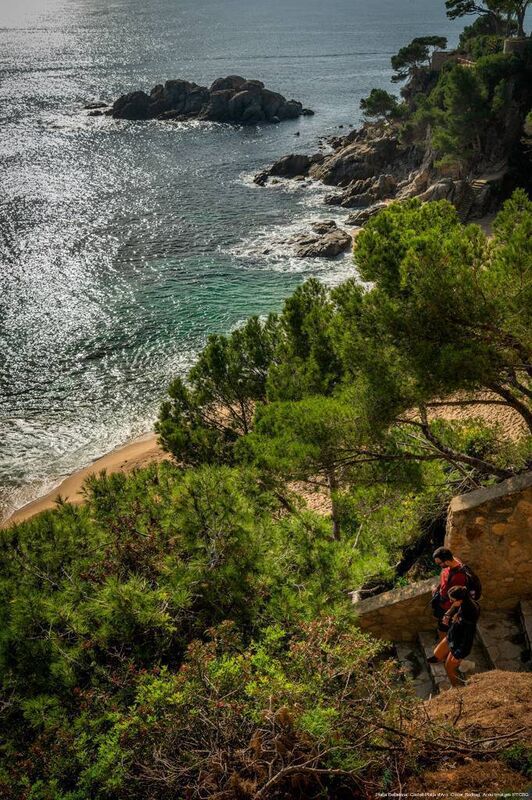
That evening, we checked into the environmentally sustainable Hotel Rural-Spa Resguard Dels Vents. Arriving after dark, it’s difficult to get the gauge of a place, but comforting spa candles burning at the bijou stone-and-wood reception signalled we had arrived into a setting of deep relaxation. Underfloor heating, which I later learned was powered by an environmentally friendly biomass boiler, instantly enveloped me. After a long day (with much of it spent on the runway at Dublin Airport), it was exactly what was needed.
At dawn, I opened my curtains to take in the view stolen from us the night before. It was worth the wait. The hotel was nestled at the top of a hilltop valley and a large swimming pool lay just beyond my balcony. I could see the lights of nearby La Vall de Ribes as the mist rolled down the hills. It was fairytale perfection and I was almost resentful at the thought of leaving this beautiful place after a hearty breakfast of local delicacies.
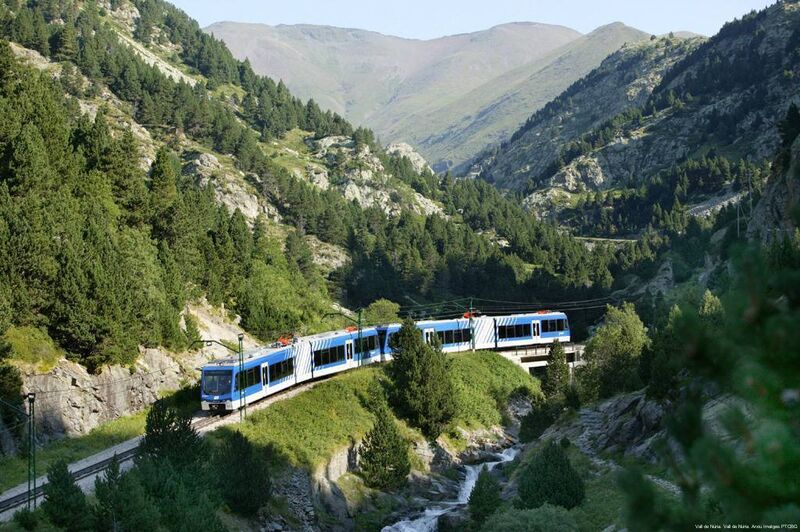
But it wouldn’t be much of a travel feature if I hid out in the hotel, plus I was excited for the next leg, which saw us take the Ribes Vila Rack Railway train to Vall de Nuria in the Catalan Pyrenees. Dating from 1931 (and renovated in 1986), the Rack Railway serves more than 280,000 visitors annually, makes a journey of 12.5km and overcomes a drop of 1,000m in just 40 minutes, all while producing zero CO2 emissions (thanks to solar power energy).
Environmental credentials aside, the round trip makes for a memorable afternoon. I left all my worries behind as the carriages climbed upward, hugging the curves of the valley. The landscape unfurls in rich autumnal shades with the Vall de Nuria mountain resort revealing itself on the final bend.
Once a place of pilgrimage, Vall de Nuria was known for its fertility ritual at the Santuari de la Verge de Nuria, where couples prayed for children. Though a few believers continue to make the journey, most of today’s visitors are drawn to the valley’s serene beauty. Surrounded by black pines, ash trees, birches, and broad-leafed oaks, the glacial valley still retains an air of reverence. Its 12th-century wooden carving of Our Lady of Nuria and early 20th-century church and hotel stand as reminders of its past.
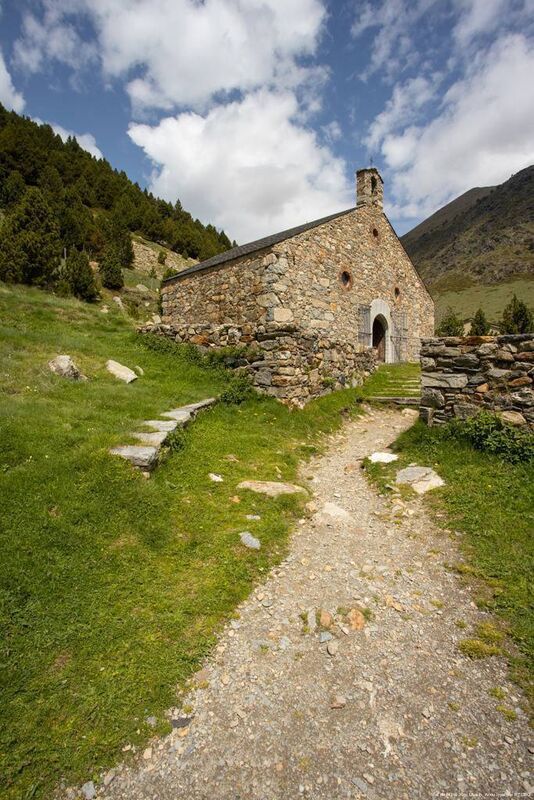
Today, it’s more popular for hiking and skiing, although by most standards, the skiing section is relatively small with five ski lifts, 11 pistes, and a skiable area of 7km. With no snow on the ground in early autumn, we boarded the funicular instead, leading to the Alberg Pic de l’Aliga and a spectacular vantage point of the valley and surrounding peaks.
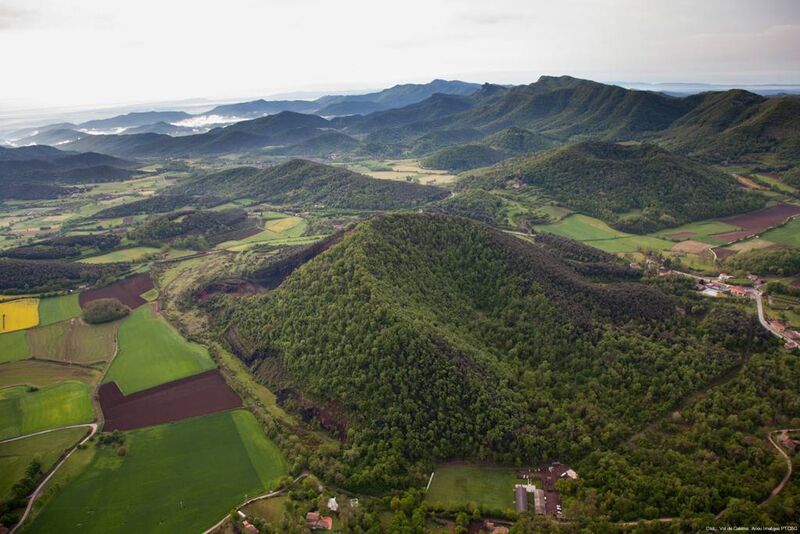
Later, we had lunch in Fonda Xesc, one of Girona’s Michelin star restaurants. The area boasts 15 in total, with 20 stars between them. Then it was on to explore La Garrotxa Volcanic Area Natural Park where you can find some of the most interesting volcanic landscapes in Europe.
It is one of the best examples of volcanic terrain on the Iberian Peninsula, with 40 volcanic cones and more than 20 lava flows. While you are free to explore alone, do your research ahead of time or better still, employ a guide who will share their expert knowledge with you.
Exhausted from a day outdoors, we checked into our second hotel, Mas La Ferreria. With nine unique rooms, this was a charming lodging in the heart of the countryside. Unfortunately, warm temperatures (even in autumn) and the rural location saw a proliferation of bugs known as bernat marbejat in my room.
Although unsettling, a helpful note left by housekeeping explaining their presence meant I still managed to drift off to sleep despite the unwelcome roomies.
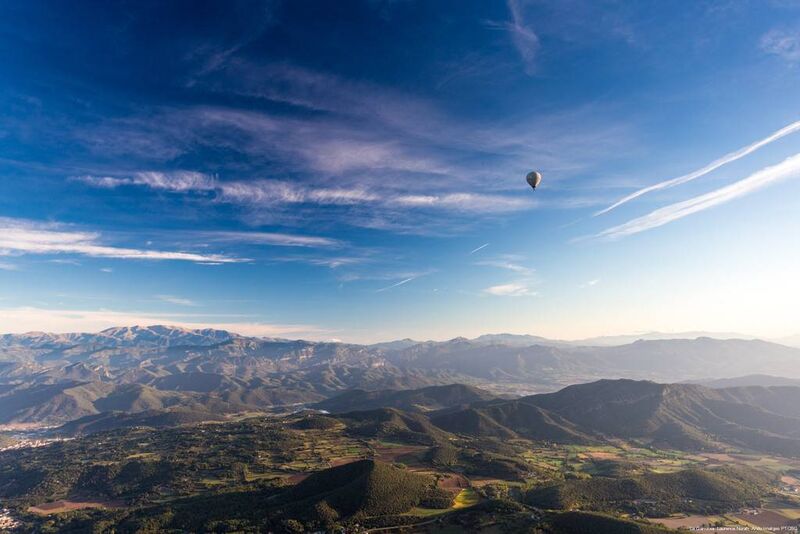
It was just as well, because calltime the next day was 5am for what would become the highlight of the trip: A hot air balloon ride over La Garrotxa. Usually averse to tourist trap experiences, this one was just too special to pass up. I boarded anxiously, along with 11 other people, and before I knew it we were rising in tandem with the dawn, flying over dormant volcanoes, forests, and still-sleeping villages.
The stillness of the morning was broken only by a multitude of “wows” — all other vocabulary failing us. At 1,800m above sea level, the pilot popped the cork on a bottle of cava and we bonded over the breathtaking experience.
I learned a little too late that the wind dictates your journey and as a result landings can be unpredictable. We found ourselves in a field of cattle, who were accompanied by one very protective bull. Although that was probably the most nervous I had been all morning, our pilot was confident and in control throughout.
He managed to liaise with a colleague on the ground to bring us back up long enough to land in the next (uninhabited) field instead. Even with the bovine face-off, it was an unforgettable experience that made me vow to embrace more adventure on future travels.
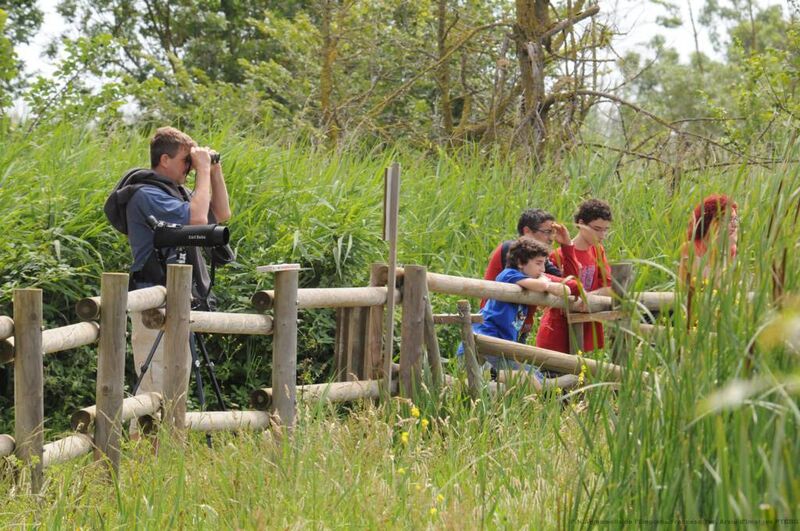
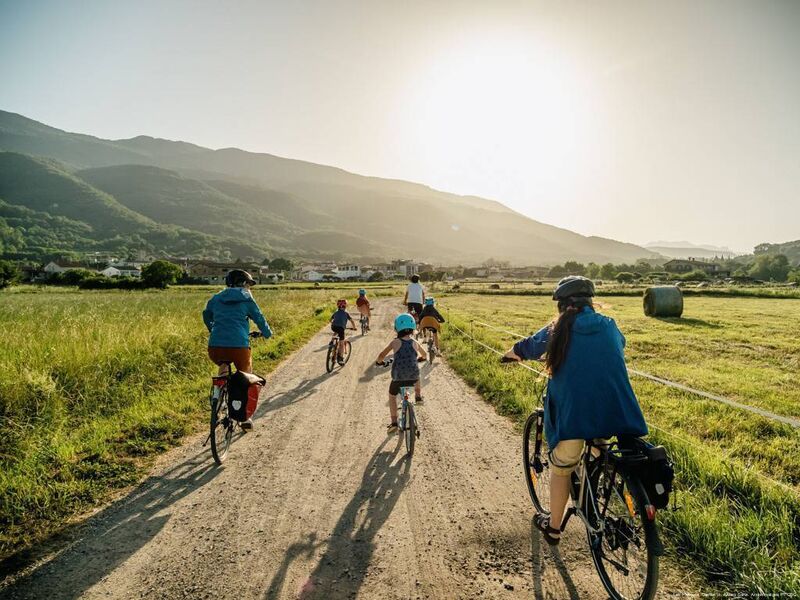
Following a celebratory breakfast, we were off again to pack in two more rejuvenating experiences: Cycling the greenway from nearby Olot, and exploring Emporda Marshes Natural Park. The former was exhilarating — even on a lazy girl’s ebike — while the latter provided a fascinating insight into the protected Catalan wetland between the Fluvia and Muga rivers, famous for its rich biodiversity, especially its birdlife.
Our final night was spent in an altogether different accommodation — a colourful campsite in Roses seaside resort. Forget dodgy tents and communal showers, we had a two-bedroom bungalow that far surpassed our needs for one night. Suited to families who want to be in the heart of the action for a fraction of the price, Camping Salata are committed to climate-friendly initiatives including a saltwater swimming pool to reduce the consumption of chemical products and solar panels to supply the common services.
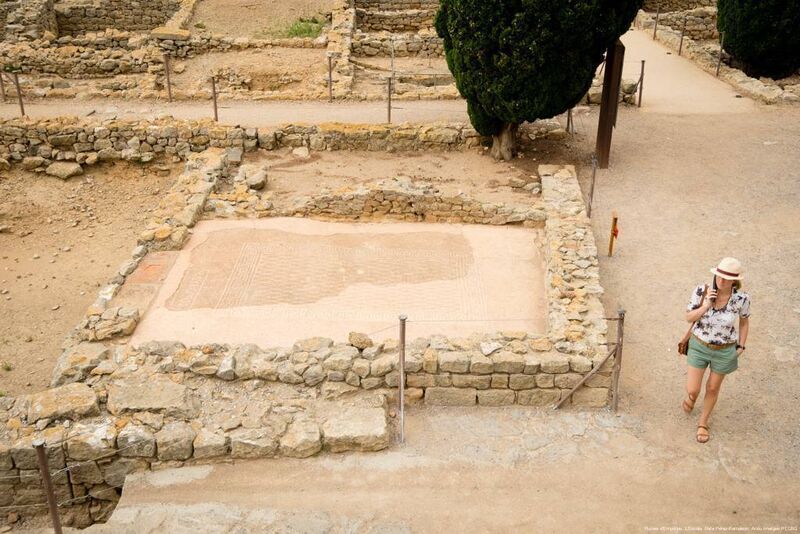
On the last day, with only a couple of hours to spare before our flight home, we visited the town of L’Escala, located next to the ruins of Empuries. Ancient Greeks established the settlement in the 6th century BC, followed by the Romans in 218BC. For a modest €8 entrance fee, you can get lost among the ruins and learn about the evolution of the place as a turning point in the history of the Iberian Peninsula.
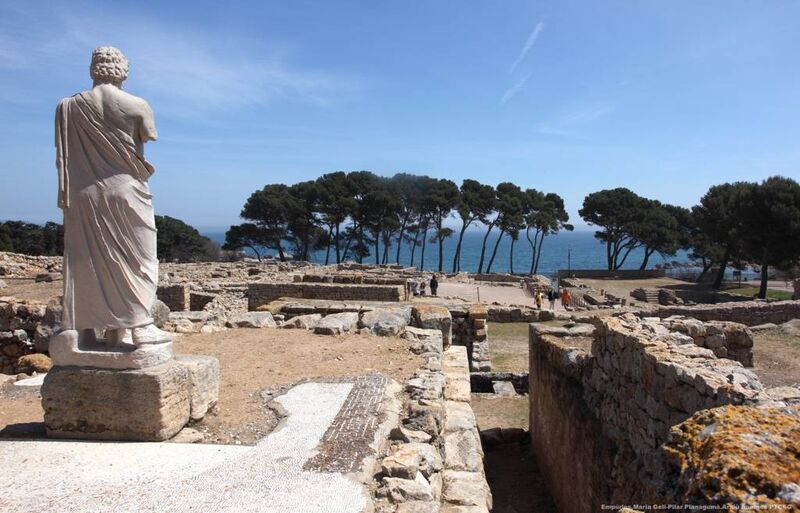
Our visit was made all the more special by our guide from Glops d’Historia (or Sips of History), who provided samples of local wine and cheese as part of the walking tour.
Wandering around the ancient stones of Empuries, exploring the past and contemplating the future, felt like the perfect end to a weekend of discovery, one that left me rejuvenated and longing for more.
- Rosaleen was a guest of Costa Brava Tourism Board and the Spanish Tourism Office in Dublin.