
Published on
September 7, 2025
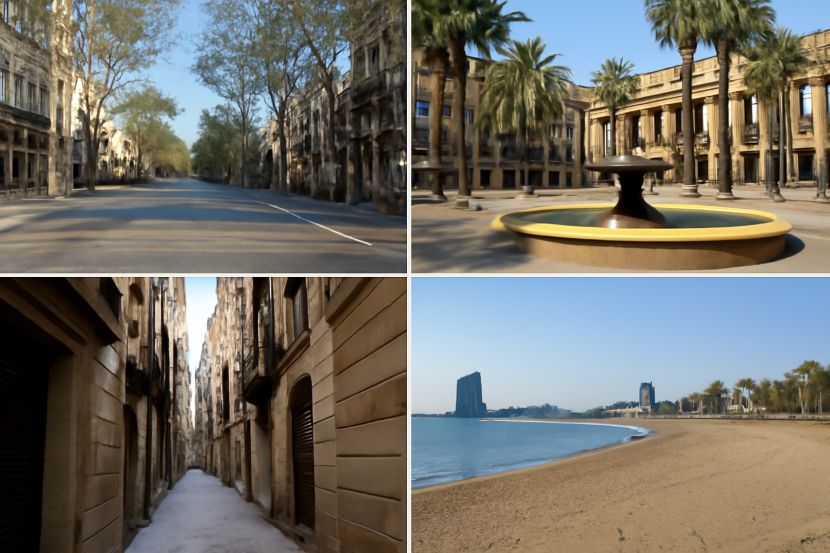
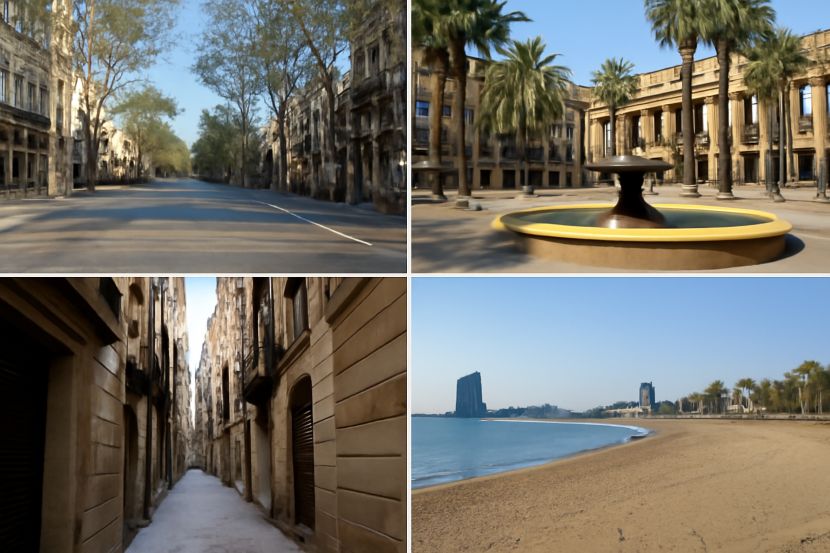
Barcelona, which attracted visitors from tourists, now appears to be losing interest from visitors. As seen from videos from influencers like Laura , there are no crowds in bars, there are no cars on roads, and even the beaches seem vacant. This concern shifts from the tourists to the businesses operating in the city as well as the residents.
As seen from the most recent Tiktok videos from Laura, who has been living in Barcelona for the last two years, the changes are becoming more and more clear. Less people are showed in the videos attempting to take pictures in front of popular tourist attractions and on the beaches. Many people remember Barcelona as one of the most popular attractions in the country of Spain. To see now the empty roads, ,is shocking.
The drop in footfall to Barcelona and other trendy places in Spain is not a unique case. Spain received 93.8 million international visitors in 2024, a 10.1% increase compared to the data the previous year, according to the Ministry of Industry, Trade, and Tourism. Data indicates that while the overall number of tourists increased, its concentration has become more diffused. Other cities, Barcelona for example, seem to have misplaced tourists as visitors prefer less crowded or different places, resulting in tourism spillovers across the country.
Spain has been actively working on strategies to manage tourist numbers and encourage the exploration of less-visited areas. The Spanish government has implemented policies that aim to relieve pressure on traditionally overcrowded regions like Barcelona. These measures include promoting smaller towns and rural areas, where tourism is expected to grow. As a result, places like the Valencian Community and the Canary Islands have seen substantial growth in international visitors. For example, the Valencian Community saw a 14% increase in international visitors, while the region surrounding Barcelona experienced much slower growth at only 9.7%.
These changes in travel preferences have left some areas of Barcelona and other traditional tourist hotspots feeling the impact. Videos shared by tourists and local influencers show empty streets where crowds once roamed, and deserted beaches where sunbathers and swimmers used to fill the space. Business owners are expressing mixed emotions about the shift. For some, the quiet streets and reduced crowds have brought a welcome relief from the hustle and bustle of tourism, offering an opportunity to enjoy the city without the constant crowds. For others, especially those in hospitality and retail, the decline in tourists has meant fewer customers and less revenue.
The ripple effect of this decline is being felt across the local economy. Many businesses that thrived off the steady influx of international visitors are now struggling to stay afloat. Some small shops, restaurants, and hotels have been forced to close temporarily or reduce operating hours in response to the downturn. One of the key sectors impacted is the hospitality industry, which depends heavily on international tourism. With fewer tourists visiting, local workers have lost their jobs, and some businesses fear they may not survive this extended period of low foot traffic.
The shift in tourism patterns has sparked conversations among residents and travelers. Some people are concerned about the economic consequences of this decline, especially for small businesses and employees who rely on tourism for their livelihoods. One comment on Laura’s video noted that “one by one, businesses from all sectors will start to close – that’s the sad thing.” Another commenter mentioned, “There are already a lot of smaller towns that have fallen into despair.” The situation seems dire for some, especially for those who believe that a long-term drop in tourism could change the landscape of Barcelona permanently.
However, not everyone shares the same pessimistic outlook. A few social media users have pointed out that the quieter atmosphere may actually benefit certain aspects of the city. For instance, one individual stated, “I visited in March, and there were hundreds more people around.” This comment reflects the perception that perhaps the quietness of the city is temporary and may be influenced by the timing of certain visits or seasonal fluctuations.
In response to these concerns, the Spanish government has introduced several measures to support the tourism industry. The Ministry of Industry, Trade, and Tourism has unveiled a series of programs aimed at revitalizing the tourism sector, particularly in areas most affected by the decline in visitors. These programs include financial support for struggling businesses, marketing initiatives designed to promote local attractions, and efforts to boost domestic tourism. The government is also focusing on sustainability in tourism, encouraging travelers to explore regions that might not have been on their radar before.
While the decline in visitors to Barcelona and other traditional tourist destinations presents challenges, it also offers an opportunity for Spain to diversify its tourism offerings. By promoting lesser-known regions, Spain hopes to spread out tourist traffic, reducing the strain on iconic cities like Barcelona and the Costa Brava. The aim is to create a more sustainable tourism model that benefits the entire country, not just a handful of destinations. Moreover, it allows travelers to explore hidden gems that may have been overshadowed by larger, more famous locations.
Additionally, Spain’s efforts to encourage tourism in less-visited areas align with the broader goal of creating a more balanced and resilient tourism sector. As travelers shift their attention to quieter destinations, they are not only helping to preserve the cultural and environmental integrity of over-exploited regions but are also discovering new places that may offer even richer experiences than the usual hotspots.
Barcelona still hasn’t ‘closed its doors ‘. The city is neither ‘finished’’, as stated in the articles the city is actively undergoing ‘renewal’. This corresponds to modifications in the global travel patterns. While Spain is still in the process of deploying its policy on the deconcentration of tourism in Barcelona, the development rush in the rest of Spain’s territories seems to turn the most unlikely parts of the country into tourist hot spots. Barcelona still holds the chance of being classified as the representative city of Spain for foreign tourists.
The future is uncertain. Barcelona, like its rest of Spain counterparts, is undergoing the global shifts which are omnipresent. Even though the narrow alleys and streets flanked on either side with sunlight is a snapshot of southern spirit, a slower life rhythm represents a new opportunity rather than a mere diffusion of travel enthusiasm. The onus still rests with the city to transform itself into a popular tourist destination and to do so, it must embrace the modern global shifts.
