
Published on
December 18, 2025
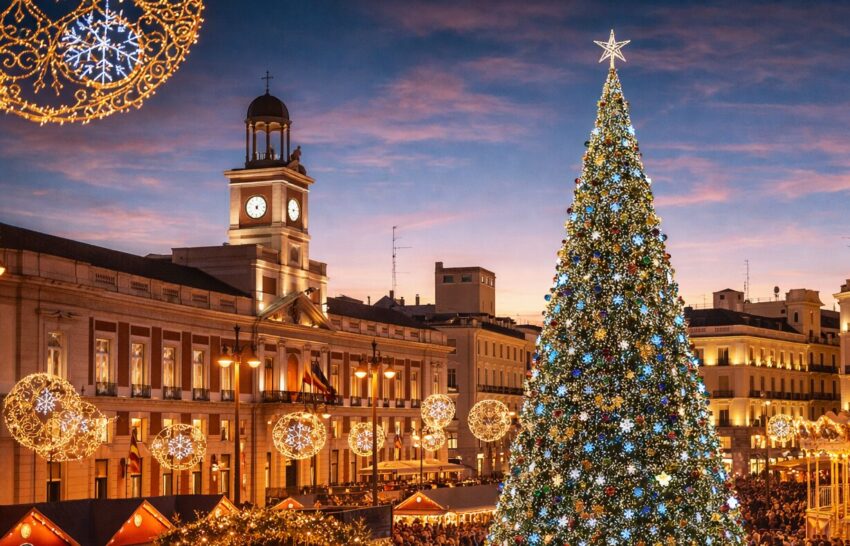
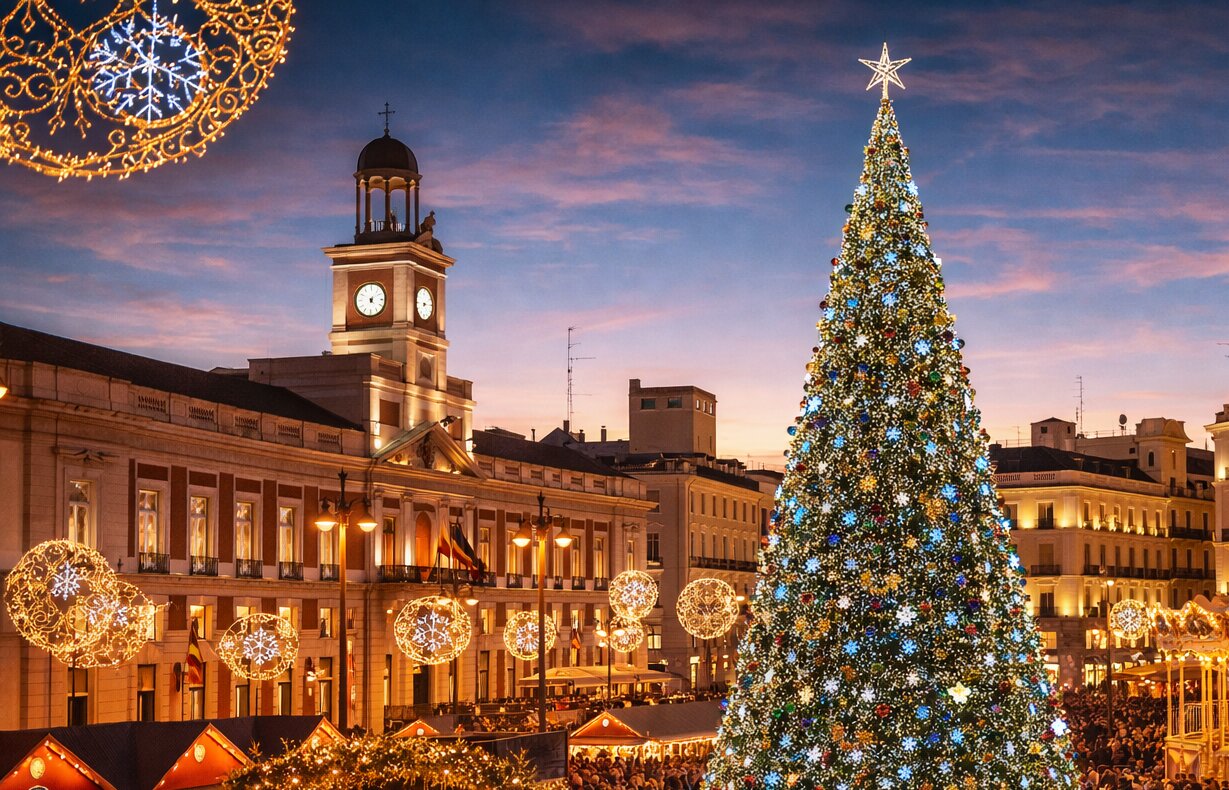
For travellers seeking a festive yet relaxed winter destination, Christmas in Spain offers a unique and deeply cultural experience. Unlike the fast-paced, gift-driven celebrations seen in many countries, Christmas in Spain unfolds slowly, blending tradition, family, food, and faith over several weeks. From early December through early January, Spain transforms into a country of lights, music, markets, and meaningful rituals that travellers can easily enjoy.
What makes Christmas in Spain especially attractive to visitors is its mild winter climate, welcoming atmosphere, and long holiday calendar. Whether you are strolling through illuminated city streets, tasting traditional sweets, or watching a Three Kings parade, Spain delivers a festive experience that feels authentic rather than commercial.
When Christmas in Spain Begins for Travellers
For travellers, Christmas in Spain effectively begins in early December, following Constitution Day (December 6) and Immaculate Conception Day (December 8). These national holidays kick off the festive mood as cities light up, hotels decorate, and Christmas markets open.
Major destinations like Madrid, Barcelona, Seville, Malaga, Valencia, and Granada are beautifully decorated, making them ideal winter city-break destinations. Streets glow with artistic light displays, public squares host seasonal events, and cafés serve hot chocolate alongside traditional sweets.
For travellers arriving in December, the festive atmosphere builds steadily without the overwhelming crowds often seen closer to Christmas Day in other European cities.
Christmas Markets and City Experiences
While Spain is not traditionally famous for Christmas markets like Germany or Austria, many cities now host charming seasonal markets that appeal to travellers. These markets sell handmade crafts, nativity figurines, ornaments, scarves, and festive snacks.
Popular markets include:
- Plaza Mayor Christmas Market in Madrid
- Fira de Santa Llúcia in Barcelona
- Plaza Nueva markets in Seville
Travellers can wander through these markets in the evening, enjoying live music, street performers, and the warm glow of Christmas lights. The experience feels local, relaxed, and welcoming.
Nativity Scenes: A Cultural Highlight for Visitors
One of the most striking experiences of Christmas in Spain for travellers is the prominence of nativity scenes, known as Belén. These are not simple displays but detailed miniature landscapes showing villages, markets, rivers, and daily life during biblical times.
Many cities host large public nativity exhibitions in town halls, churches, and cultural centres. Travellers often find these exhibitions free to visit, making them an accessible and educational experience for families and solo travellers alike.
For visitors interested in culture and history, these nativity scenes offer insight into Spain’s strong traditions and artistic heritage.
Christmas Eve and Christmas Day: What Travellers Should Expect
For travellers, it is important to understand that Christmas Eve (Nochebuena) and Christmas Day (Navidad) are primarily family-focused in Spain.
On Christmas Eve, restaurants may offer special dinner menus, but many smaller places close early. Streets become quieter as families gather at home. Travellers are advised to book dinner reservations in advance or enjoy hotel-based dining options.
Christmas Day is generally calm:
- Shops are closed
- Tourist attractions may operate limited hours
- Public transport runs on reduced schedules
However, this peaceful atmosphere can be refreshing for travellers who enjoy slow travel, photography, and relaxed walks through historic neighbourhoods.
Seasonal Food Experiences for Travellers
Food is a major highlight of Christmas in Spain, and travellers will find no shortage of seasonal treats. Bakeries and cafés overflow with traditional sweets, making December a perfect time for food-focused travel.
Must-try Christmas treats include:
- Turrón: Almond nougat, available in soft and hard varieties
- Polvorones and mantecados: Crumbly festive cookies
- Marzipan: Especially popular in Toledo
- Hot chocolate with churros: A winter favourite
Travellers can enjoy these delicacies in cafés, markets, or as gifts to take home.
Weather and Packing Tips for Christmas in Spain
One of the biggest advantages of Christmas in Spain for travellers is the weather. While northern Europe experiences freezing temperatures, Spain offers:
- Mild winters in southern regions (Andalusia, Canary Islands)
- Cool but pleasant conditions in cities like Madrid and Barcelona
Travellers should pack layers, a light coat, and comfortable walking shoes. Scarves and jackets are usually sufficient, especially during daytime sightseeing.
New Year’s Eve and the Twelve Grapes Tradition
Travellers staying through New Year’s Eve will experience one of Spain’s most joyful traditions: eating twelve grapes at midnight, one for each chime of the clock.
Major city squares, especially Puerta del Sol in Madrid, attract thousands of people celebrating together. Travellers can join locals or enjoy the tradition from a hotel or restaurant setting.
It’s a fun, social, and memorable way to welcome the new year.
Three Kings Day: The Grand Finale for Travellers
Christmas in Spain officially ends on January 6, with Three Kings Day (Día de los Reyes Magos). For travellers, this is often the most colourful and exciting event of the season.
On January 5, cities host grand parades featuring floats, music, costumes, and sweets thrown to the crowd. These parades are family-friendly and free to attend.
The next day, shops may close, but bakeries sell Roscón de Reyes, a festive cake enjoyed across the country.
Why Christmas in Spain Appeals to Travellers
For travellers seeking:
- Cultural authenticity
- Fewer crowds than peak summer months
- Mild winter weather
- Rich food traditions
- Extended festive celebrations
Christmas in Spain offers a perfect balance of celebration and calm. It is a destination where travellers can slow down, connect with local traditions, and enjoy the holiday season in a meaningful way.
In conclusion, Christmas in Spain is not just a holiday it is a season. For travellers, it provides an opportunity to experience Europe differently, blending warmth, tradition, and hospitality in a way that feels genuine and unforgettable.
