
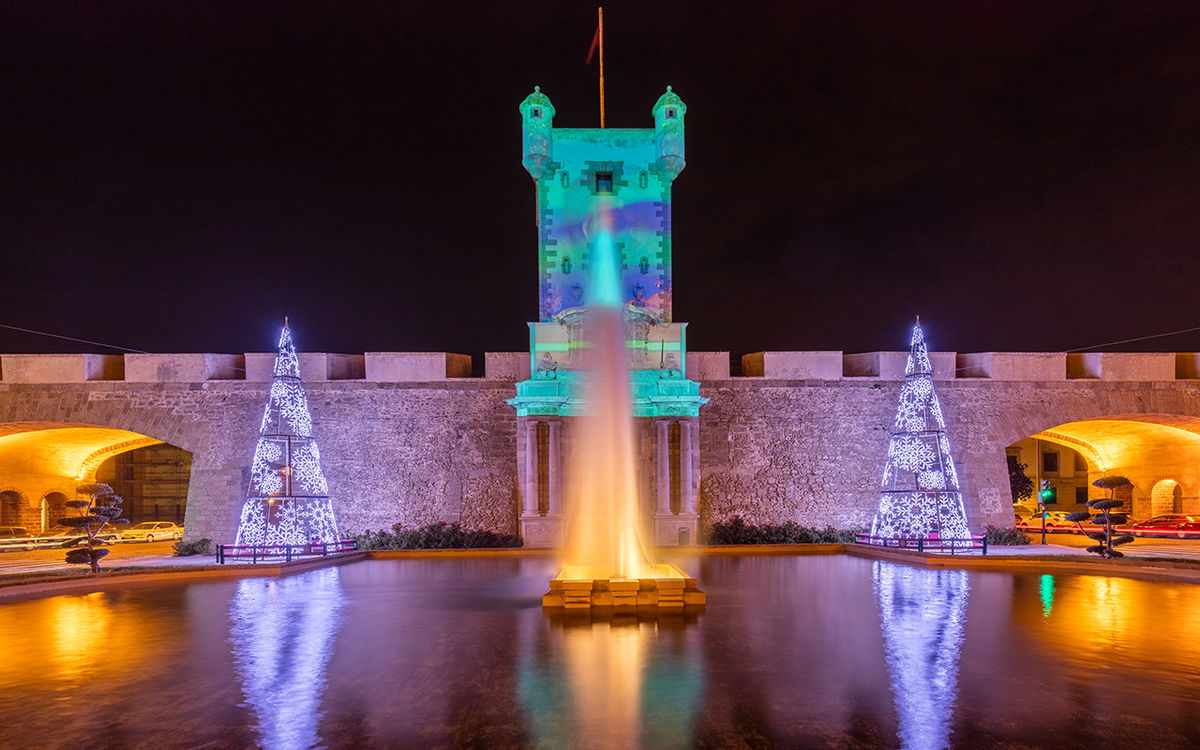
Christmas gifts and estrenes. Credit: Diego Delso
The Costa Blanca has been decked out for Christmas for several weeks. Lights, colours, and decorations have taken over every corner of the region to welcome the festive season. Some of the highlights on municipal programmes are relatively recent traditions, such as the popular Christmas markets or the switching on of the lights, which, not long ago, were not celebrated and suddenly transformed the streets into vibrant, illuminated spaces.
However, beyond these newer customs, the region has long-standing traditions that form part of the cultural legacy passed down from previous generations. While they may vary slightly from town to town or from household to household, some are widely shared and remain unmissable festive events on the Costa Blanca.
Casca de Reis for the little ones
The casca is a traditional Valencian sweet typically enjoyed during the Christmas season, though its popularity has waned over time. Made from ground almonds, sugar, and egg, it is usually filled with candied sweet potato, egg yolk, or pumpkin, and often decorated with candies, nuts, or dried fruit.
It is closely associated with the Feast of the Three Kings, hence its name, Casca de Reis. Traditionally, godparents would give it to their godchildren, or the Three Kings themselves would bring it. It often came in tin boxes, which were sometimes passed down through generations. Today, it is mostly preserved in the Safor region but can still be found in some bakeries on the Costa Blanca, such as Pastisseria Diego in Xàbia.
Baskets and balloons on balconies
In Pego, and in other towns across the region, it is a long-standing tradition to place baskets filled with carob pods and balloons on balconies to welcome the Three Kings of the Orient. These decorations signal to the Kings that the household eagerly awaits their arrival.
The carob pods serve as food for the horses that carry the Kings to each home on the magical night between 5th and 6th January. During Christmas 2023/2024, Pego’s town hall organised a competition to encourage locals to maintain this custom, highlighting its cultural importance and festive charm.
Christmas gifts and estrenes
The arrival of Christmas brings excitement for the youngest family members, who meticulously plan their festive schedules: school plays, opening presents, joining parades, and enjoying time with family. Among these gifts, les estrenes de Nadal hold a special place.
Les estrenes are usually money given to children by close relatives, such as grandparents or uncles, often on Christmas Day. Traditionally, godparents presented these gifts to their godchildren, creating cherished memories that remain part of the holiday spirit.
Exquisite Christmas sweets
Sweet treats are a staple of Christmas tables throughout Valencia. On the Costa Blanca, local bakeries and households prepare favourites such as pastissets filled with sweet potato, almond cakes, and nougat, ready for festive gatherings and long family meals.
The Cant de la Sibilla of Teulada
One of the most renowned celebrations is the Cant de la Sibil•la in Teulada, a medieval liturgical drama performed just before Christmas. The performance, revived by the Colla de Dolçainers i Tabaleters El Falçó de Teulada under the artistic direction of Rafael Soriano, depicts the prophecy of the Messiah and a forewarning of the end times. The highlight is the Sibyl’s rendition of a 16th-century manuscript preserved in the Gandia songbook, a tradition now recognised as intangible cultural heritage.