
Published on
December 30, 2025
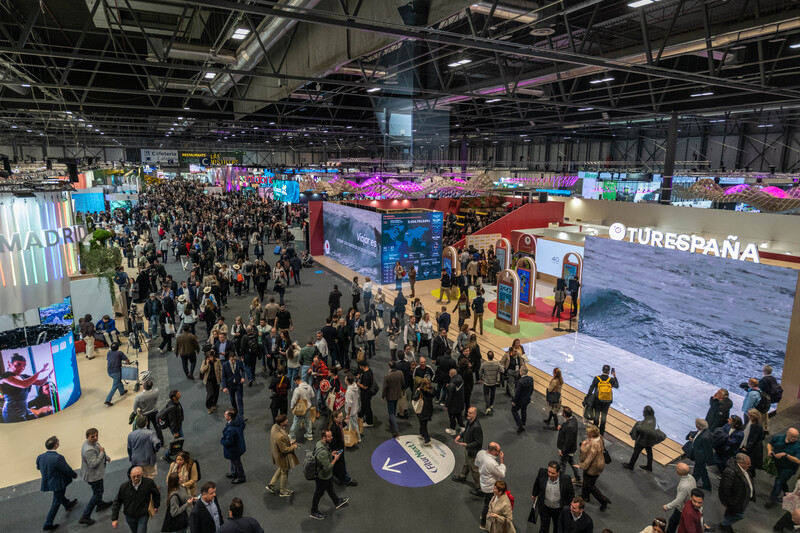
FITUR 2026, the world-renowned international tourism fair, is set to be a game-changer in the realm of global tourism relations. Scheduled from January 21 to 25 at IFEMA Madrid, this prestigious event will spotlight the dynamic partnership between Spain and India, offering a unique platform to explore new avenues for cultural exchange and tourism collaboration. As both nations look to expand their global footprint, FITUR 2026 will serve as a vital bridge for fostering deeper connections, promoting mutual growth, and celebrating the shared cultural heritage that binds Spain and India together. This year, the fair will not only highlight Spain’s rich cultural offerings but also showcase India’s burgeoning tourism sector, solidifying their role as key players on the global tourism stage.

FITUR 2026: Strengthening Cultural and Tourism Ties Between Spain and India
FITUR 2026, the leading international tourism fair, is set to take place from January 21 to 25 at IFEMA Madrid. This prestigious event will serve as a vital platform to strengthen cultural, economic, and tourism ties between Spain and India. With a focus on mutual growth, this year’s FITUR promises to deepen collaboration and open new avenues for both nations’ tourism sectors. As both countries look to the future, the event will showcase Spain’s rich cultural heritage, its diverse tourism offerings, and its enduring connection with India, which remains a significant source of international visitors.
Spanish Tourism and Indian Visitors
According to Turespaña, the number of Indian visitors to Spain has remained stable over recent years. In 2024, the total number of Indian arrivals reached 229,745, indicating a solid and consistent flow of tourists. This suggests that Spain continues to hold strong appeal for Indian travelers. At the same time, Europe is experiencing increasing interest in India, with more European tourists seeking to explore the country’s deep cultural roots, historical landmarks, and spiritual experiences. This growing interest highlights the evolving global exchange of tourism between these two countries.
India’s Booming Tourism Sector
India’s tourism industry is experiencing a robust phase of growth, driven by a combination of enhanced infrastructure, better connectivity, and strategic promotional efforts. The International Trade Centre (ICEX) has projected that India’s tourism market will reach a staggering 125 million USD by 2027. This surge is primarily fueled by a higher demand for spiritual tourism, wellness retreats, and cultural experiences. Spiritual tourism, in particular, has gained significant traction as more international visitors seek out India’s sacred temples, yoga retreats, and meditation centers.
India’s tourism sector also benefits from rapid infrastructural development, which facilitates smoother travel experiences for both domestic and international tourists. The country’s burgeoning hospitality sector, in tandem with its new airports, improved roadways, and smart city initiatives, makes India an attractive travel destination. Projections indicate that by 2028, international arrivals will exceed 30.5 million, and the sector’s GDP growth is expected to reach an impressive 7.1% annually.
India’s Expanding Presence at FITUR
In this dynamic context, India is elevating its presence at FITUR 2026. The Indian Ministry of Tourism is spearheading a large institutional representation that aims to amplify the country’s visibility on the global tourism stage. This year, India will significantly expand its exhibition space at the event, compared to the previous year, to highlight its rich cultural diversity and thriving tourism offerings. States such as Tamil Nadu, Telangana, Madhya Pradesh, and Kerala are set to participate, with plans to include Rajasthan and Uttar Pradesh in the future. This broader representation will allow visitors to experience the varied attractions India offers, from the beaches of Goa to the spiritual landmarks of Varanasi and the architectural wonders of Rajasthan.
Notably, the number of Indian exhibitors at FITUR has increased. Leading travel companies such as Le Passage to India, Vasco Travel, Cholan Tours, and Indo Asia Tours will showcase their services, strengthening the country’s position as a major player in the global tourism industry. These exhibitors will offer a wide range of travel experiences, from guided tours through the Himalayas to cultural explorations of ancient temples and modern cities.
Growing Bilateral Tourism Spending
The bilateral relationship between Spain and India continues to grow, as evidenced by the increasing spending of Indian tourists in Spain. Data from Spain’s National Statistics Institute (INE) reveals that the expenditure of Indian tourists in Spain saw a 2.6% increase from January to August 2025, compared to the same period in 2024. Furthermore, the average spending per Indian visitor rose by 11.5% in 2024, reaching 2,608 euros. This increase in expenditure highlights not only the attractiveness of Spain as a destination for Indian tourists but also the growing purchasing power and interest of Indian visitors in Spain’s high-end tourism offerings.
India-Spain Dual Year 2026
As part of the ongoing efforts to deepen ties, Spain is preparing for the India-Spain Dual Year 2026, a bilateral initiative that will run through the year. This initiative is designed to promote and diversify tourist flows between the two countries. It aims to attract tourists to Spain during both the off-peak and peak seasons, focusing on specific motivations, such as cultural tourism, adventure travel, and wellness retreats. Activities organized under the Dual Year will highlight Spain’s commitment to enhancing tourism sustainability, ensuring that growth is socially and environmentally responsible.
FITUR 2026, held from January 21 to 25 at IFEMA Madrid, will highlight the growing tourism ties between Spain and India. This landmark event aims to strengthen cultural and tourism connections, offering a platform for both nations to explore new opportunities for collaboration. With Spain showcasing its rich heritage and India’s tourism sector gaining momentum, FITUR 2026 promises to open doors for mutual growth and global cultural exchange.
In addition to tourism, the Dual Year initiative will also focus on the broader economic, social, and cultural exchanges between Spain and India. It will underscore Spain’s role as a leading European destination while promoting India as a growing source of international tourism.
Conclusion
As FITUR 2026 approaches, the continued growth of the tourism sector in both Spain and India promises exciting prospects for the global tourism industry. The event’s expanded focus on bilateral tourism exchanges between Spain and India will undoubtedly lead to greater cultural understanding and economic collaboration. With both countries committed to promoting sustainable tourism and enhancing visitor experiences, FITUR 2026 will play a pivotal role in shaping the future of international travel. The collaboration between Spain and India sets a clear path for the continued growth of global tourism and mutual economic prosperity.
