
Published on
December 26, 2025
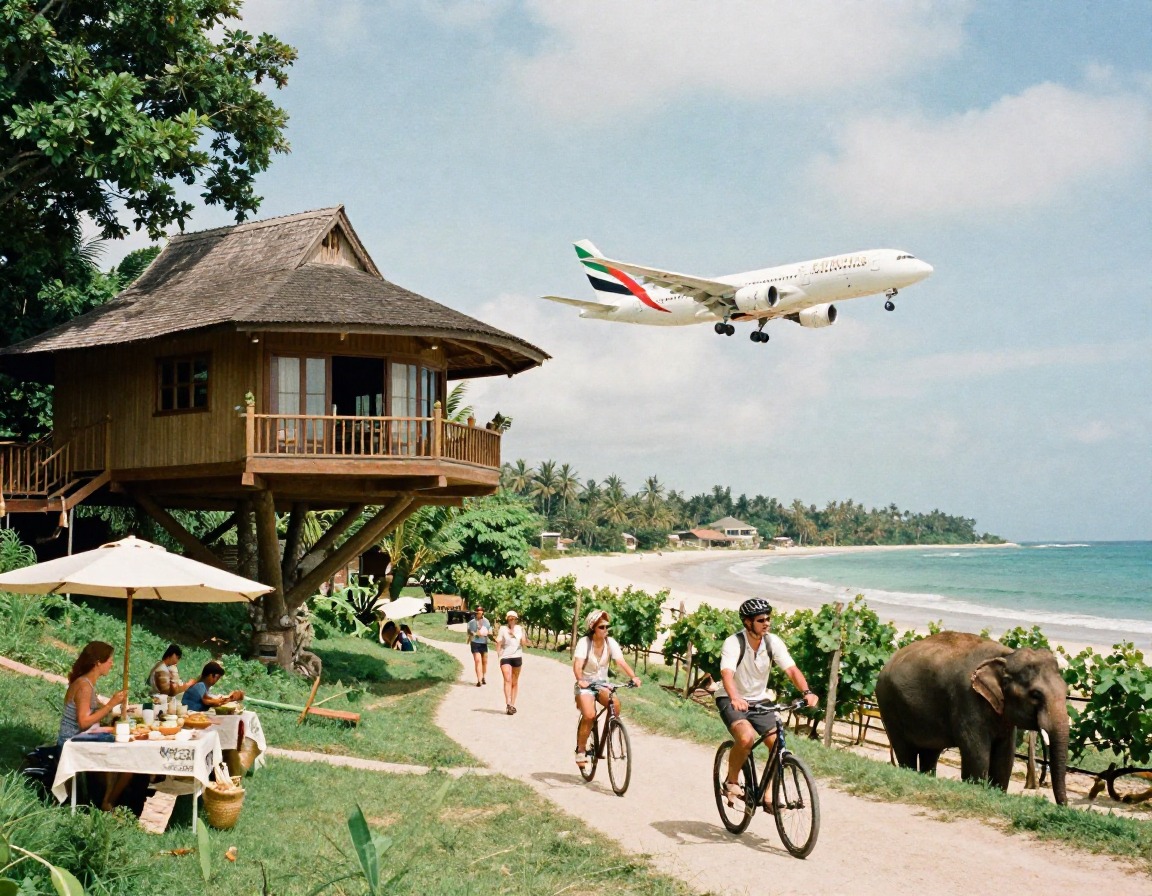
France, Spain, and Thailand are leading the way in the booming luxury eco-tourism market, set to explode between 2025 and 2032. As global travelers increasingly seek sustainable, high-end experiences, these countries are becoming hotspots for eco-conscious tourists, with airlines like Emirates and Delta gearing up to meet the rising demand for green travel.
France, Spain, and Thailand See Explosive Growth in Eco-Tourism — How Emirates & Delta Are Preparing for the 2025–2032 Boom in Sustainable Travel!
The luxury eco-tourism market is set for explosive growth between 2025 and 2032, and countries like France, Spain, and Thailand are already leading the charge. With travelers increasingly seeking eco-conscious destinations and experiences, the airline and hospitality industries are responding to this shift with enthusiasm. As the demand for sustainable travel soars, leading airlines like Emirates and Delta are positioning themselves to meet the needs of eco-conscious tourists. This travel article explores the booming eco-tourism trends, the role of airlines, and how luxury resorts are catering to this new wave of responsible travelers.
France, Spain, and Thailand See Explosive Growth in Eco-Tourism
The growth of the eco-tourism market is undeniable, with countries such as France, Spain, and Thailand seeing unprecedented increases in international arrivals. These nations are embracing the eco-tourism trend, with travelers flocking to their green destinations, eager to enjoy nature while minimizing their environmental footprint.
France, the world’s most visited country, has long been a leader in tourism, attracting millions of tourists every year. In recent years, however, eco-tourism has become a growing sector, with visitors choosing destinations that emphasize sustainability, conservation, and low-impact tourism. From eco-friendly vineyards in Bordeaux to green retreats in Provence, France is tapping into its natural beauty to attract eco-conscious travelers. France is investing heavily in green infrastructure, such as electric car rentals and low-emission transportation options, to ensure that visitors can explore the country in an environmentally friendly way.
Spain is another European country making strides in the eco-tourism sector. Known for its stunning beaches, historic cities, and vibrant culture, Spain has become a prime destination for travelers seeking sustainable tourism options. Cities like Barcelona and Madrid are promoting green tourism initiatives, offering eco-tours, sustainable restaurants, and environmentally friendly accommodations. Spain is also home to several eco-resorts in its scenic rural areas, allowing tourists to immerse themselves in nature while supporting local communities and conservation efforts.
Thailand, a popular travel destination in Southeast Asia, is embracing eco-tourism with open arms. Known for its pristine beaches, tropical forests, and rich biodiversity, Thailand is increasingly attracting tourists who are looking for eco-friendly travel experiences. The Thai government has introduced various initiatives to protect the environment, including sustainable hotel certifications and eco-tourism programs that encourage travelers to explore nature without harming it. Thai resorts are focusing on sustainability, offering locally sourced organic food, eco-friendly accommodations, and activities that minimize the environmental impact.
These three countries are setting the stage for a new era of eco-tourism, where responsible travel is at the forefront of the industry. As the demand for green travel experiences continues to grow, these nations are well-positioned to offer travelers sustainable options that align with their environmental values.
How Emirates & Delta Are Preparing for the 2025–2032 Boom in Sustainable Travel
As the eco-tourism market experiences rapid growth, airlines like Emirates and Delta are gearing up to meet the increasing demand for sustainable travel. Airlines play a crucial role in reducing the environmental impact of travel, and both Emirates and Delta are investing heavily in sustainable aviation practices to ensure they are part of the solution.
Emirates, a global leader in luxury travel, has been at the forefront of the green travel movement. The airline has implemented various initiatives to reduce its carbon footprint, including the use of fuel-efficient aircraft and the adoption of sustainable aviation fuel (SAF). Emirates is also investing in eco-friendly cabin products and services, such as biodegradable amenities and waste reduction efforts. The airline’s commitment to sustainability is evident in its efforts to minimize the environmental impact of both its flights and on-the-ground operations.
Delta Airlines, known for its commitment to customer service and sustainability, is also making strides in the eco-tourism sector. The airline has set ambitious goals to reduce its carbon emissions, including a pledge to become carbon-neutral by 2050. Delta has invested in fuel-efficient aircraft, sustainable jet fuel, and carbon offset programs to reduce its environmental impact. The airline’s commitment to sustainable travel extends beyond just carbon emissions; it also focuses on minimizing waste, improving energy efficiency, and promoting responsible tourism practices across its operations.
Both Emirates and Delta are responding to the growing demand for eco-tourism by aligning their services with sustainability principles. Whether it’s through eco-friendly in-flight services, fuel-efficient planes, or carbon offset initiatives, these airlines are ensuring that travelers can reduce their environmental impact while enjoying luxury travel experiences. As eco-tourism continues to rise in popularity, Emirates and Delta are positioning themselves as leaders in sustainable aviation, attracting environmentally conscious travelers who want to make a positive impact on the planet.
The Role of Luxury Resorts in Eco-Tourism
As travelers seek sustainable vacation options, the hospitality industry is rising to the challenge by offering luxury resorts that align with eco-tourism values. France, Spain, and Thailand are home to some of the world’s most luxurious eco-friendly resorts, where guests can enjoy world-class accommodations while supporting environmental conservation.
In France, the concept of “green luxury” has gained significant traction in recent years. Eco-conscious travelers can find eco-resorts in stunning locations such as the French Riviera, where hotels like Château De La Messardière are incorporating sustainable practices into their operations. These resorts focus on reducing energy consumption, using local and organic products, and offering activities that promote environmental awareness. Additionally, many French luxury resorts are located in close proximity to natural reserves, giving guests the opportunity to explore pristine landscapes while minimizing their environmental impact.
In Spain, luxury eco-tourism is taking off in regions like Costa Brava and the Balearic Islands. Resorts like the Vilar Rural de Sant Hilari are setting the standard for eco-friendly accommodations, with an emphasis on local sourcing, renewable energy, and waste reduction. Spain’s luxury resorts also provide guests with immersive nature experiences, such as guided hiking tours, bird-watching excursions, and culinary experiences that highlight sustainable local food.
Thailand is also a hub for luxury eco-tourism, with resorts like Soneva Kiri and Six Senses offering sustainable accommodations in beautiful natural settings. These resorts incorporate eco-friendly practices such as rainwater harvesting, solar power, and waste recycling. Guests can also engage in conservation efforts, such as coral reef restoration programs and wildlife protection initiatives. Thailand’s luxury eco-resorts offer the perfect blend of comfort and sustainability, providing travelers with a guilt-free way to indulge in luxury while supporting the local environment.
These luxury resorts are playing a crucial role in the rise of eco-tourism, offering travelers a chance to experience the beauty of nature while making a positive impact. By prioritizing sustainability, these resorts are attracting eco-conscious travelers who want to support responsible tourism practices.
Travel Tips for Eco-Conscious Tourists
As more travelers seek sustainable vacation options, it’s important to understand how to travel responsibly while enjoying luxury experiences. Here are some essential travel tips for eco-conscious tourists:
- Choose Eco-Friendly Airlines: Opt for airlines like Emirates and Delta, which are committed to reducing their environmental impact. Look for airlines that offer carbon offset programs and invest in fuel-efficient aircraft.
- Stay at Green Resorts: When booking accommodations, look for hotels and resorts that have been certified as eco-friendly. Many luxury resorts are now implementing sustainable practices, such as using renewable energy, reducing waste, and supporting local communities.
- Pack Light: By packing light, you can help reduce the weight of your luggage, which can lower the carbon emissions associated with your flight. Traveling with less also reduces the need for excessive baggage handling and storage.
- Support Local Communities: Choose destinations and resorts that actively support local communities and contribute to environmental conservation. Many eco-resorts in France, Spain, and Thailand focus on sustainable development that benefits both the environment and the local population.
- Respect Nature: Be mindful of your environmental impact while traveling. Avoid littering, respect wildlife, and follow local regulations for preserving natural habitats.
Flight Details and Travel Logistics
For those looking to experience eco-tourism in France, Spain, and Thailand, several airlines offer direct flights to these destinations with eco-friendly services. Emirates provides frequent flights from major U.S. cities like New York and Los Angeles to Paris, Madrid, and Bangkok, with options to reduce your carbon footprint through carbon offset programs. Delta Airlines also offers direct flights from major U.S. hubs to these cities, with sustainable initiatives on board to make your travel experience as eco-friendly as possible.
When planning your eco-tourism adventure, consider the environmental impact of your travel choices. Opt for flights that offer carbon offset programs, choose airlines with sustainable initiatives, and select accommodations that prioritize environmental responsibility.
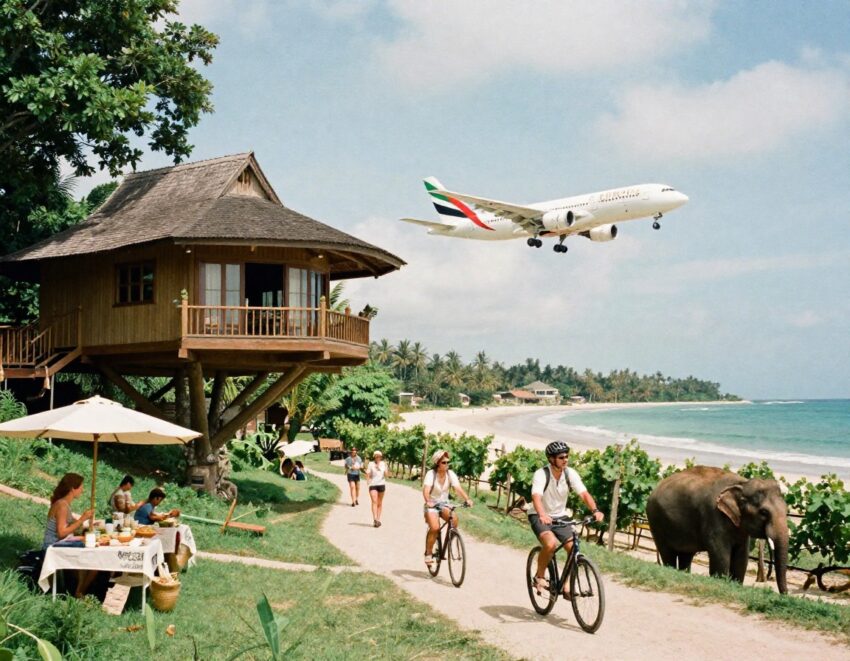
France, Spain, and Thailand are leading the way in the booming luxury eco-tourism market, set to explode between 2025 and 2032. As global travelers increasingly seek sustainable, high-end experiences, these countries are becoming hotspots for eco-conscious tourists, with airlines like Emirates and Delta gearing up to meet the rising demand for green travel.
France, Spain, and Thailand are set to dominate the luxury eco-tourism boom, attracting millions of eco-conscious travelers by 2032! Discover how airlines like Emirates and Delta are preparing to capitalize on this green revolution in travel!
Wrapping Up
The luxury eco-tourism market is set to experience explosive growth over the next decade, and countries like France, Spain, and Thailand are at the forefront of this sustainable travel movement. As travelers increasingly seek eco-friendly destinations and experiences, airlines like Emirates and Delta are preparing to meet the demand by offering sustainable travel options. With luxury resorts focusing on sustainability, travelers can enjoy guilt-free vacations while supporting conservation efforts. By choosing eco-conscious airlines, staying at green resorts, and respecting nature, tourists can make a positive impact on the environment while indulging in luxury travel. The future of eco-tourism is bright, and the next decade promises to be an exciting time for travelers seeking sustainable and responsible travel experiences.
