
Tourists have lamented they’re “too scared to come” to Spain after anti-tourism protests sparked across the country, with reports of shuttered restaurants and empty bars seemingly suggesting they’re holding to that pledge. But are they actually? db takes a deep dive to find out.
A slew of anti-tourism protests have erupted across Spain over the past two years, as citizens pushed back against a surging number of international visitors.‘GO HOME’ placards were held high, and water guns cocked in aquatic assault.
In retaliation, some Brits snubbed the southern European state, vowing not to visit destinations where they were “not wanted” (The Mirror). Rafel Roig, president of the Business Federation of Transport, said the anti-tourism rhetoric was “scaring visitors away”.
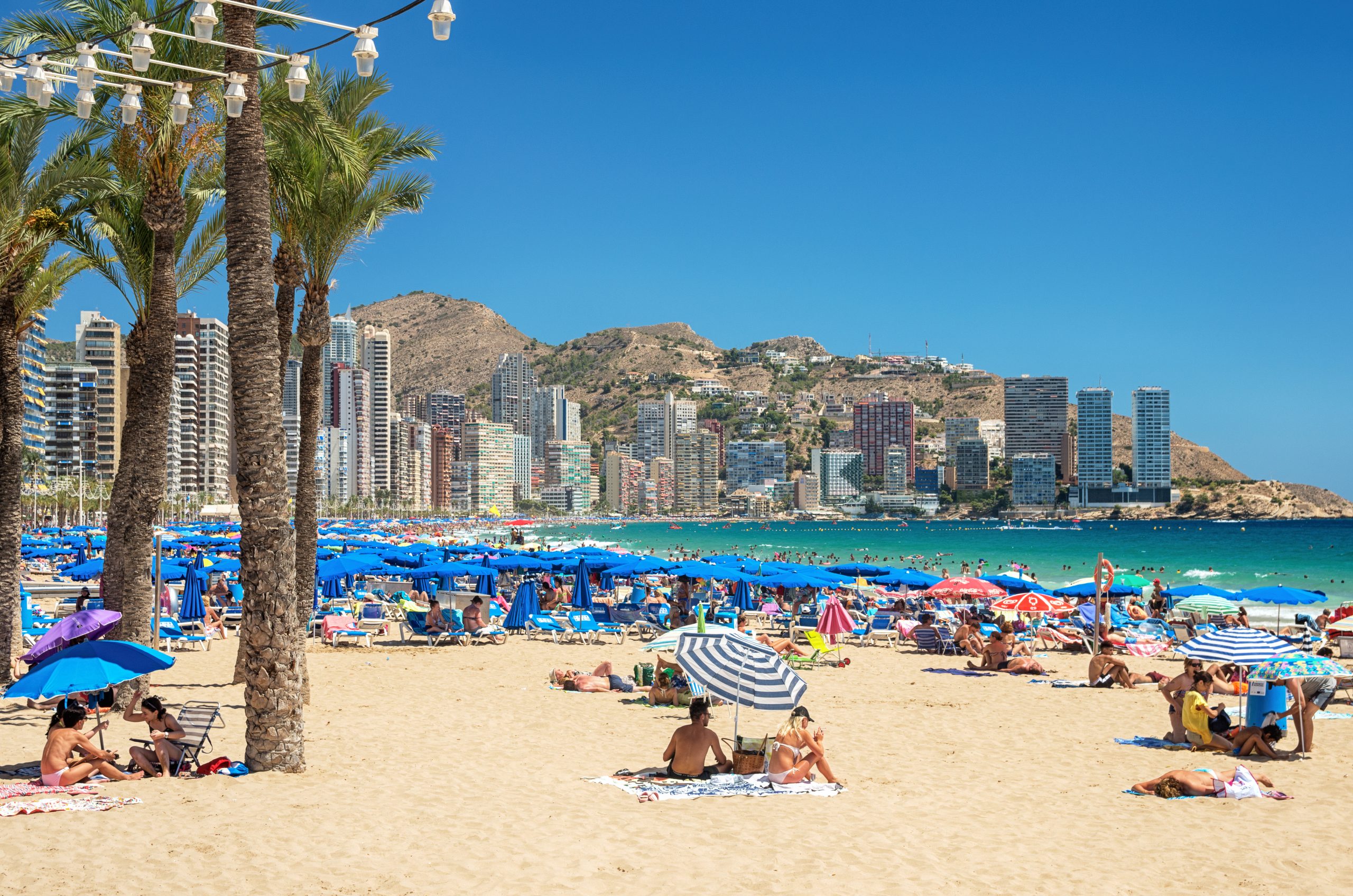
On TikTok, the aftermath was laid bare. Footage from Benidorm reveals desolate beaches and empty terraces; a sharp 360-pivot from the usual summer scenes of thriving nightlife and bustling streets. A slew of bars and restaurants across the city noted ‘little activity’ in an uncharacteristically sleepy summer. “If you’re in Benidorm right now, what do you think? Why do you think it’s so quiet? Why is nobody around? Even this bar here is fully shut down,” one video laments.
Hospitality faces the backlash
Another queries: “We’re in the height of summer. Everywhere should be absolutely rammed, but it’s not. It’s absolutely dead. This is one of the main strips in Benidorm and it should be absolutely rammed.” Across Spain, ring reports of ghost towns. One comes from Lesley Johnson, 66, who lived in Majorca for more than 30 years. The Lecistishire-local MailOnline that the bars and pubs that used to hold quiz and dance events were “now completely dead”. It’s true that, across the country, cities have taken measures to stem tourists’ raucous nightlife. Alicante introduced a midnight curfew in February, and Barcelona bid goodbye to organised pub crawls in August.
That’s what locals wanted, right? Lots of them did yes, with over-tourism blamed for inflating Spain’s housing crisis, sparking anti-social behaviour and hiking up prices. But not all of them: hospitality businesses reported drops in turnover as footfall plummeted. The Mallorca Hotel Business Federation erected twenty billboards across Mallorca, written in English and German, stressing the importance of tourism to the local economy. In May, empty restaurants in Majorca called for tourists to come, with sales down, in some cases, 50%.
The Mirror reported shuttered venues in resort town Lloret de Mar, once dubbed the nation’s “party capital” with bars enticing in tourists with 87p shots. One shop owner told The Sun: “The protests in Barcelona have put people off coming here. It’s July, and it’s not as busy as it should be. We want tourists to know they are welcome. I’ve lived in Lloret since 1999 and everyone here wants more Brits — more tourists, not less.”
A complex picture
And it’s true that certain pockets of the country saw tourism dips during July and August, hospitalitynet data revealed. Barcelona and Palma de Mallorca, which hosted the biggest anti-tourism protests, saw YoY demand drop 7% and 6% respectively, while Granada reported a plummet of 4%, and Malaga 3%.
Nonetheless, fresh figures from Spain’s National Institute of Statistics (INE) tell a different story. In July, Spain actually welcomed its highest number of visitors ever, at 11 million. Tourism spending is also climbing rapidly, outstripping €76 billion so far this year, which seems to indicate that Spain’s reputation as a holiday mecca for British, French and German revellers remains untarnished.
Despite headlines strewn across the tabloids, speaking of despairing restaurants “begging”, “pleading” and “lamenting” the loss of British tourists, the overall picture is a complex one. Sure, there are people like Onofre Fornés, president of the Association of Entrepreneurs of Concessions, blaming “irresponsible” protestors for sending out “”negative” messages against tourism, “deteriorating the perception of the destination and having a direct impact on the sector’s income.” But protestors have long stressed the cost-of-living in Spanish resorts, like the Balearic Islands, is too high and wages too low.
Tourism remains a crucial limb to Spain’s economy, accounting for roughly 12% of GDP. But perhaps ‘how’ and ‘why’ people travel needs a rethink. National and regional governments have a big part to play, in regulating short-term rentals, investing in infrastructure and listening to local communities, but travellers, too, can stay mindful, educating themselves on the issues impacting locals and helping that influence where they stay. Spanish hospitality – whether it’s Benidorm’s hedonistic strips or Barcelona’s hidden tapas eateries – will continue to enchant tourists, but hopefully towards a solution that will ease the pressures on citizens without damaging local businesses.