
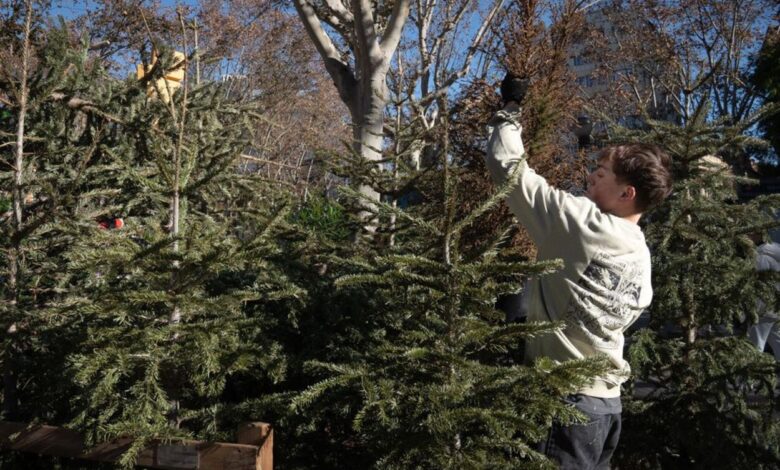
The evening of January 6 marks not only the end of the holiday season for many Spanish families, but also a true cleaning marathon at home. Christmas ornaments, garlands, figurines, and tinsel are all packed away once again to wait for the next Christmas. But what should be done with the live Christmas tree that recently adorned the living room? This is a question that stumps thousands of residents each year in Madrid, Barcelona, and other cities.
Many believe that if the tree is still alive, they can simply replant it in the nearest forest. But not only is this forbidden, it is also harmful to the environment. Madrid authorities remind residents that planting holiday-bought fir trees in natural areas is not allowed. The reason is simple—these trees are not native to most regions of Spain and can displace local species such as pines or oaks. Additionally, replanting fir trees often leads to the destruction of shrubs and grasses that play a crucial role in the ecosystem.
Planting ban
Attempting to ‘give your tree a second life’ in the wild can lead to serious consequences. Violating this ban is punishable by fines ranging from €100 to €100,000. Spain’s forestry and nature conservation law strictly regulates all plantings in natural areas. Planting any species, even those that seem harmless, requires special permission. This is especially true for protected areas, where any interference can disturb the balance of local flora and fauna.
Forestry experts warn that imported fir trees can displace native plants and serve as carriers of diseases and pests. In the worst case, they may increase the risk of forest fires. Sometimes, people even cut down shrubs to plant firs, thinking shrubs are unnecessary—yet these very plants protect the soil and provide shelter for wildlife.
Proper disposal
So what should you do with your tree if you don’t want to just throw it out, but planting it in the wild is not an option? Every municipality in Spain runs special drop-off points for Christmas trees after the holidays. In Madrid, this system has been in place for nearly four decades. Last year alone, almost 600 Christmas firs were collected in the capital. About a third of them were in good enough condition to be replanted in city parks and gardens. The rest were recycled—turned into compost and fertilizer for Madrid’s green spaces.
It’s important to remember: only live trees with an intact, moist root ball are accepted. Dry, rootless, or artificial trees are not allowed. In Madrid, two drop-off sites are open for this purpose—one at the El Retiro park nursery and another at the Casa de Campo nursery. These sites operate through the end of January. Other cities, such as Barcelona, offer similar services. In New York, by the way, tens of thousands of Christmas trees are recycled each year—a practice that has become a local tradition.
Options for private gardens
If you have your own plot of land, you can try replanting the fir tree there. But even in this case, there are some nuances. These trees grow quickly and need plenty of space for their roots. They require moist soil and protection from direct sunlight. In small gardens, a fir tree can quickly become a problem, taking up all the available space and pushing out other plants. So before making this decision, consider carefully whether you have enough room and energy to take care of your new ‘tenant’.
In any case, throwing the tree out on the street or into a dumpster is not an option. It’s not just unsightly—it can also earn you a fine. It’s much more sensible to use city collection points or coordinate with neighbors for joint disposal. That way, you not only get rid of the tree but also help keep your neighborhood clean and orderly.
Responsibility and the Environment
In recent years, Spain has been paying increasing attention to environmental issues and proper waste management. The Christmas tree is no exception. Every year, authorities remind people: caring for nature starts with simple actions. You shouldn’t take risks or break the law for the dubious idea of ‘saving’ a tree. It’s better to choose a legal and eco-friendly solution—bring the tree to a designated collection site or use it for composting.