
ARCHIVED ARTICLE –
Dénia had the front-row seat for one of nature’s grandest migrations this week

The team also used drones to snap identifying photos of 21 different whales and even collected two breath samples, without disturbing the animals, to learn more about their health and genetics.
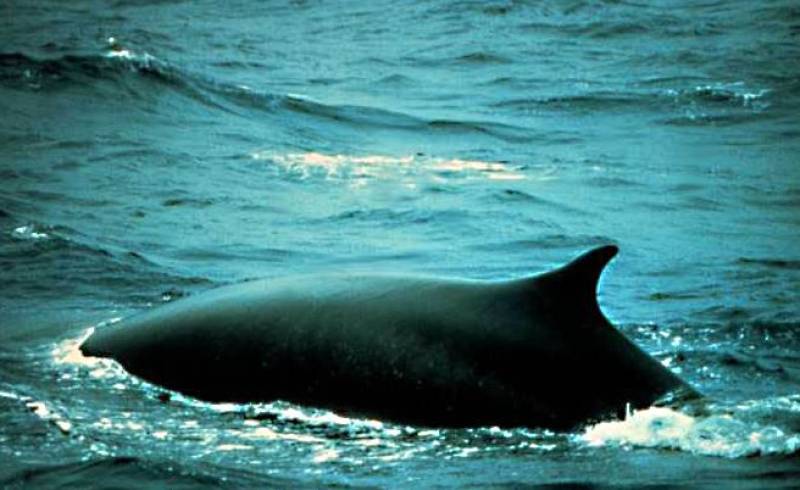
Fin whales can grow up to 24 metres long and while they’re usually greyish with striking white bellies, each has a unique pattern near its head. They don’t have teeth, but instead filter-feed using bristly baleen plates. It’s these features that place them in the mysticete family, unlike their toothed cousins like dolphins.
The research team didn’t work alone. This year, they teamed up with the Tethys Research Institute and the sailing vessel Malizia Explorer, which anchored just off Denia and Xàbia. Together with UPV researchers Eduardo Belda and Víctor Gallego, they worked from both sea and land, keeping an eye on these migrating whales and collecting as much information as possible.
According to Belda and Gallego, fin whales have become something of a symbol for the local area, drawing attention from tourists and scientists alike.
“Our work seeks to better understand their presence and behaviour, with the goal of contributing to their conservation and the sustainable management of the area,” they said.
And by all accounts, this year’s campaign has been a great success. With three whales tagged and 21 identified, the waters off Dénia have once again proven to be a key stop on one of the most majestic journeys in the natural world.
Image: Wikimedia Commons
See more news about animals in Spain:
OR
Sign up for the Spanish News Today Editors Roundup Weekly Bulletin to get a comprehensive email with all the week’s news for Spain, Murcia, Alicante and Andalucía.
Get a sneak peek – here are a few of our recent Subscription Bulletins:
Discount Special Offer subscription:
36.95€ for 48 Editor’s Weekly News Roundup bulletins!
Please CLICK THE BUTTON to subscribe.
