
Published on
September 24, 2025
Cruise tourism in Spain maintained its strong growth in 2025, with Barcelona and the Balearics emerging as the dominant focus for the season. From January through July, the country welcomed 7.5 million cruise visitors, representing a substantial year-on-year rise of 16.5% relative to the same months in 2024. Concurrently, the overall number of ship arrivals grew by 22%, with 2,796 vessels docking at national ports during the same period.
Barcelona, as the national cruising nucleus, hosted 2.1 million visitors, an increase of 12% over the previous year. The Balearic Islands ranked just behind, accounting for 1.4 million arrivals and a gain of 9.4%. Additional ports that recorded robust growth included Las Palmas, with a 23.8% rise, and Santa Cruz de Tenerife, where traffic surged by 33.4%.
The continuing expansion of cruise operations at these hubs underscores Spain’s position as an emerging leader within the Mediterranean cruising market. The combination of a central and easily accessible location, along with an array of cultural, natural and recreational attractions, guarantees a seemingly increasing appeal for cruise itineraries.
Top Cruise Destinations in Spain
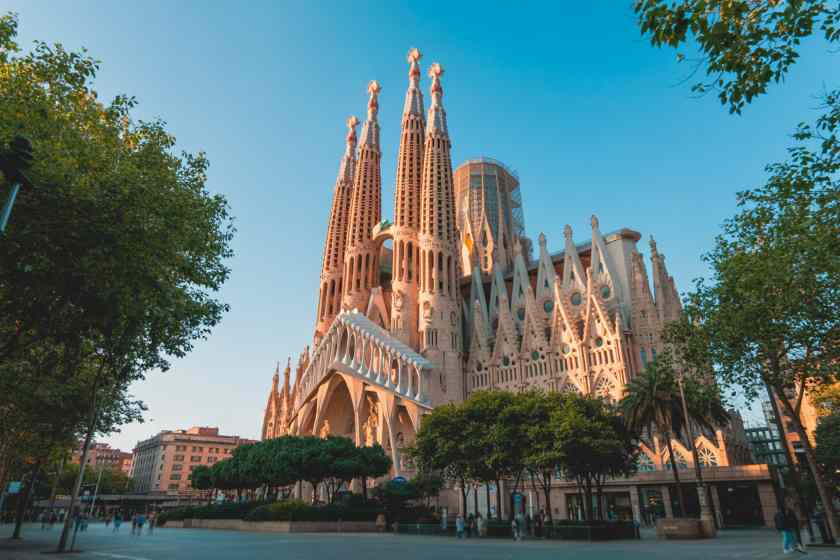
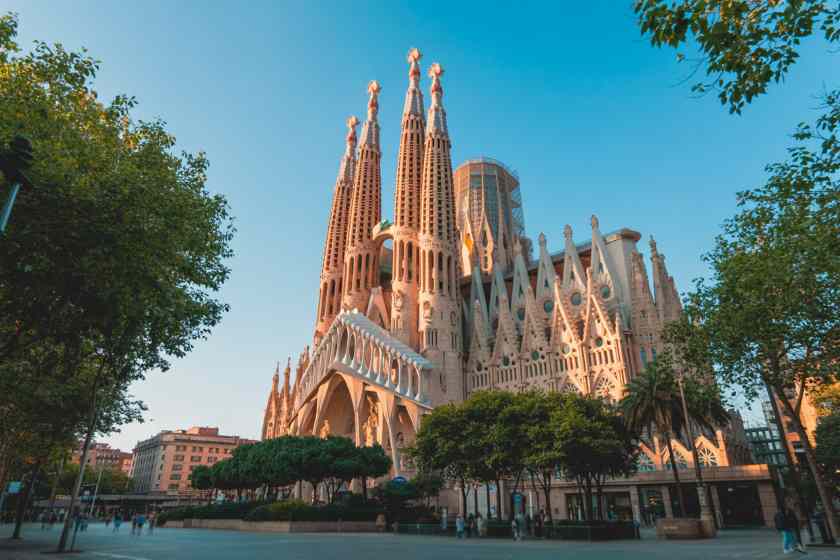
Barcelona stands as Europe’s apex cruise hub, enticing passengers with one of Spain’s most comprehensive arrivals. This metropolis already channels arrivals eager to blend high culture with relaxing escape. Anticipated experiences encompass the Sagrada Familia’s sculptural design, the colour-drenched ceramic gardens of Park Güell, and the medieval labyrinth of the Barri Gòtic, all within easy walking distance from the cruise terminals. Complementing these attractions, a modern port infrastructure streamlines luggage transfer, allowing even brief port calls to feel substantive. Consequently, international cruise itineraries select Barcelona as the definitive primary mother port or a nearby-friendly port of call within the region.
Balearic archipelago ports—primarily operated through cruise pairs to Barcelona and Valencia—have recorded compound passenger growth. Projections from sector statistics estimate that arrivals to the quartet—Mallorca, Ibiza, Menorca and Formentera—will breach 1.4 million in 2025. Distinctive strengths affect each island, most noticeably illustrated by Mallorca’s verdant mountains and medieval towns, including Alcudia’s preserved Templar fortifications and the rose-hued Santa Maria Cathedral, crowned by rose and gold. Ibiza, historically renowned for euphoric dance culture, has simultaneously fortified its identity with wellness retreats and menu-based itineraries. This dual attraction of culturally significant heritage and renowned nightclubs has thus expanded cruise demand for the archipelago as a whole and cemented its attraction to all.
Las Palmas: Located on the northern coast of Gran Canaria, Las Palmas remains a key hub for cruise operations, forecasting an influx of 1.2 million clientele in 2025. Its longstanding maritime legacy, combined with expansive beaches and a varied array of shore excursions, positions the city as a perennial favourite. Las Canteras Beach, lauded for luminescent turquoise waters, complements the Vegueta district, where narrow, cobblestoned streets and well-preserved colonial courtyards narrate five centuries of history. With itineraries encompassing natural reserves, gastronomic offerings, and vibrant contemporary art, crews find a well-balanced gateway to the Atlantic archipelago.
Santa Cruz de Tenerife: The capital of Tenerife, Santa Cruz, displays robust maritime activity and anticipates 893,594 arriving passengers in 2025. Renowned for its congenial hospitality, the city interlaces centuries of history with modern dynamism, catering seamlessly to visiting cruise lines. The Auditorio de Tenerife, an architectural masterwork by Santiago Calatrava, commands attention, while the adjacent Teide National Park provides a compelling excursion to expansive silica and basalt outcrops, interspersed with endemic pine and flowering species. From 18th-century plazas to contemporary waterfront promenades, the destination satisfies diverse global passengers, sustaining its competitive position on major itineraries.
Boost to Local Economies and Tourism
Recent increases in cruise arrivals are delivering a marked uplift to Spain’s regional economies, with particular impact in maritime cities. Each docking injects a regular stream of international guests, helping to sustain destinations on the quay and well beyond. Local gastronomy, accommodation, and retail benefit in tandem, and a noteworthy segment of passengers typically lengthens their itinerary to deepen their Spanish experience and extend their economic imprint.
By elevating cruise traffic, the segment simultaneously amplifies the wider Spanish tourism sector to the substantial benefit of cultural promotion, a priority outlined in the nation’s long-term tourism agenda. Spain’s storied past, compelling shorelines and archipelagos offer layered attractions, effectively fulfilling the desires of travellers in pursuit of multidimensional journeys.
Beyond pure economic indicators, cruise calls act as conduits for cultural dialogue and international exposure. In a matter of hours, tourism flows allow guests to inhabit the Spanish quotidian, savour regional gastronomy, and appreciate the country’s varied heritage, thus consolidating Spain’s stature as a world tourism leader.
Spain’s Approach to Sustainable Cruise Tourism
Spain is increasingly oriented toward environmental sustainability as cruise tourism continues to expand. The country’s principal ports, including Barcelona and Las Palmas, are now equipping their terminals with innovative green technologies designed to mitigate the ecological footprint of ever-larger cruise vessels. Systemic measures, such as the provision of grid-connected electrical supply to ships, comprehensive directive waste management, and water-saving systems, collectively work to curtail the stationary emissions and resource consumption typically associated with stationary vessels.
The Spanish Ministry of Industry, Commerce, and Tourism and associated regional authorities are concurrently undertaking initiatives to synchronise tourism growth with the imperatives of ecological stewardship and social welfare. By implementing management strategies that correlate visitor capacities with stringent sustainability criteria, Spain intends to maintain its position as a favoured international destination while safeguarding its distinctive natural and cultural legacies.
Conclusion
Spain has welcomed 7.5 million cruise passengers in the first seven months of 2025, reinforcing its position as a premier destination for global cruise tourism. The country’s blend of iconic sights—exemplified by the architecture of Barcelona—together with the crystalline waters and scenic charms of the Balearic Islands, provides a broad spectrum of choices for the contemporary traveller. The sustained growth in cruise arrivals represents not only a significant enhancement of the national economy but also an endorsement of Spain’s enduring allure as a culturally vibrant and geographically diverse country.
