
Published on
December 20, 2025
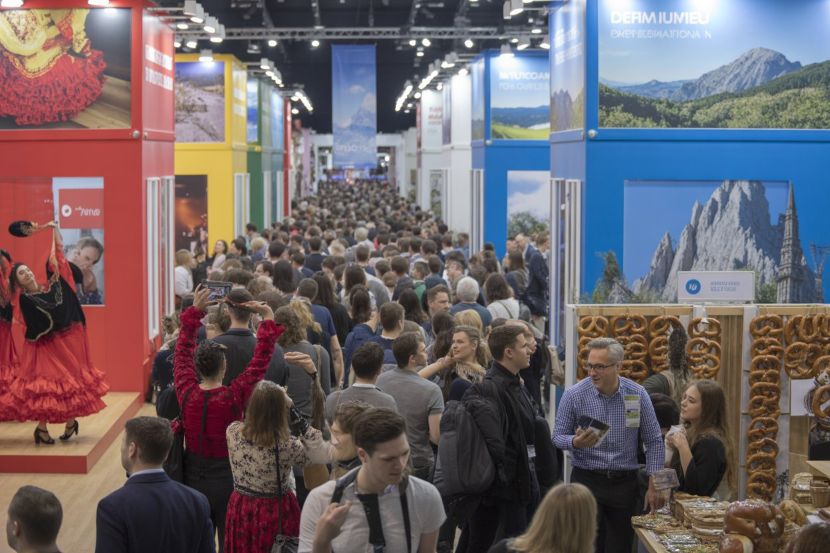
Spain and Germany are setting the stage for a new chapter in their tourism partnership. As FITUR 2026 draws near, the International Tourism Fair in Madrid will become a critical platform to highlight their growing travel connections. The event, which runs from January 21 to 25, 2026, will offer a glimpse into the strong synergy between the two nations’ tourism sectors and how they are collaborating to drive further economic growth.
Germany’s Key Role in Spain’s Tourism Boom
Germany is a vital contributor to Spain’s tourism industry. According to Turespaña, the Spanish Tourism Agency, German tourists were the second-largest contributors to Spain’s tourism revenue in 2025, accounting for 11.8% of total expenditure. This has helped Germany secure a prominent place among Spain’s key international visitors. In the same year, more than 10.7 million German nationals visited Spain, contributing to a rise in both overnight stays and the country’s overall tourism income.
The cultural, historical, and leisure destinations of Spain continue to captivate German visitors, with Barcelona, Madrid, and the Canary Islands being some of the most popular locations. The German love for Spain’s beaches and cities remains unmatched, with tourists eager to experience the country’s rich cultural heritage, modern architecture, and vibrant festivals. Spain’s tourism sector continues to benefit from this steady influx of German tourists, many of whom return year after year.
Spain’s Growing Popularity Among German Tourists
Germany’s proximity to Spain and the ease of travel between the two nations have further strengthened the tourism connection. For German visitors, Spain offers everything from sun-soaked beaches to charming medieval towns, making it an ideal year-round destination. Cultural tourism is particularly popular, with Seville, Granada, and Valencia emerging as top destinations for German travellers seeking to explore Spain’s unique history and architecture.
Spanish cities are also proving increasingly appealing to business travellers from Germany, who are drawn by Spain’s dynamic economic growth and its role as a hub for various international industries. The bustling cities, coupled with Spain’s commitment to business-friendly environments, create a perfect backdrop for both leisure and work-related travel. This blend of cultural richness and business opportunities enhances the overall tourism experience for German travellers.
Spain’s Impact on German Tourism
On the flip side, Spanish visitors to Germany have also been on the rise. Spain’s growing interest in Germany’s cultural and historical offerings has contributed to an increase in overnight stays by Spanish tourists. Official statistics from the German National Tourist Board (GNTB) reveal that Spain sent over 2.7 million visitors to Germany in 2025, marking a 7.7% increase from the previous year. Spanish tourists are particularly interested in Germany’s cultural landmarks, including Berlin’s Brandenburg Gate, the Bavarian Alps, and historic cities like Munich and Frankfurt.
Spain’s interest in German culture, art, and architecture continues to fuel tourism exchanges, with German cities offering rich cultural experiences that complement Spain’s warm Mediterranean offerings. A growing number of Spanish tourists also choose to visit Germany for leisure and business trips, often combining visits to iconic cultural sites with Germany’s modern urban centres.
FITUR 2026: A Key Moment for Tourism Growth
FITUR 2026 will offer both Spain and Germany the chance to further cement their tourism relationship. The fair is expected to be a dynamic space for collaboration, showcasing the best each nation has to offer. German exhibitors will present a range of tourism-related services, from sustainable travel options to advanced digital technologies, while Spanish representatives will continue to promote their vibrant destinations and expanding hospitality sector.
A key focus of the event will be on sustainable tourism and how both countries are working together to promote environmentally friendly travel. Germany and Spain are committed to offering travellers an eco-conscious experience, ensuring that growth in tourism doesn’t come at the cost of the environment. Sustainable travel options will be a prominent theme, with the two countries working hand-in-hand to introduce new ways of travelling that benefit both tourists and local communities.
Looking Ahead: A Brighter Future for Tourism
The partnership between Germany and Spain is poised to grow even stronger in the coming years. FITUR 2026 will mark the start of an exciting phase of cross-border travel innovation between the two nations. Both countries are focusing on digital transformation and enhanced tourism services, ensuring that visitors can enjoy seamless travel experiences. Additionally, innovative tourism products will be introduced, offering travellers from both nations new ways to explore and experience both countries.
Germany and Spain are set to continue their tourism exchange, benefiting from each other’s strengths in different sectors. By continuing to foster these synergies, the two countries will enhance their tourism infrastructures, boost local economies, and provide unforgettable experiences for visitors. FITUR 2026 will undoubtedly play a crucial role in making this vision a reality, offering a glimpse of the future of tourism between two of Europe’s most influential countries.
As both Spain and Germany prepare for FITUR 2026, the world will witness how their combined efforts will shape the future of international tourism. Together, they will not only enhance their tourism economies but also create lasting opportunities for collaboration in the years to come.
The ever-growing tourism partnership between Germany and Spain is set to strengthen at FITUR 2026, where both nations will continue to embrace sustainable practices and innovative tourism strategies. This growing synergy will benefit tourists and businesses alike, paving the way for even greater collaboration between two of Europe’s most iconic tourism destinations.
