
Published on
January 18, 2026
By: Paramita Sarkar
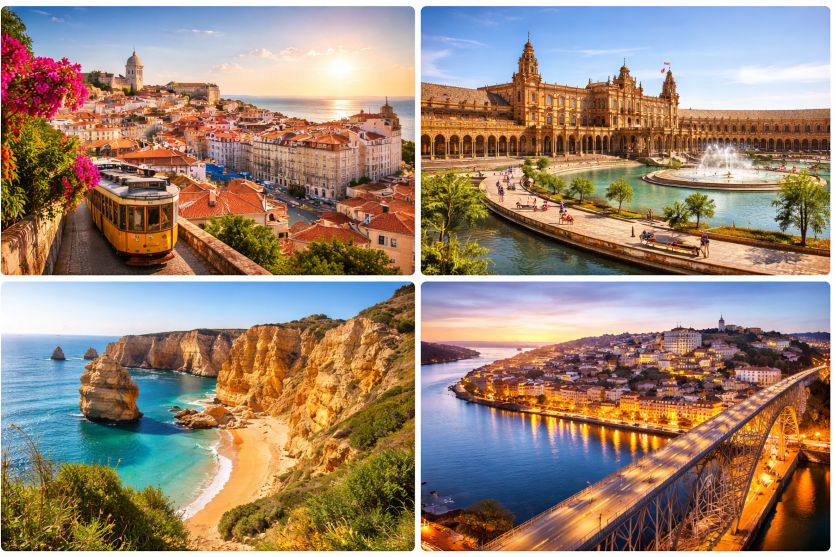
The highly anticipated bridge project linking Spain and Portugal is entering its final stages as of January 2026, with three new international bridges designed to revolutionize travel between the two countries. The £11.4 million (€13 million) initiative, which focuses on new crossings over the Guadiana, Sever, and Erges rivers, will significantly enhance connectivity between Portugal’s Algarve region and southern Spain’s Andalusia. This ambitious project is expected to bolster tourism and support the local economies in the border regions, bringing a new era of cross-border travel and integrated infrastructure.
What is the Purpose of the New Bridges?
The primary aim of the new bridges is to improve travel efficiency and connectivity between Spain and Portugal, especially in the less-traveled border regions. By replacing current ferry services and long detours, the bridges will create seamless travel opportunities, opening up new routes for both local commuters and international tourists. This will significantly reduce travel times, allowing for more fluid cross-border connections that are expected to stimulate tourism in previously underserved areas.
The £11.4 million project is fully funded by Portugal’s Recovery and Resilience Plan (PRR) and is expected to play a key role in improving infrastructure across the Iberian Peninsula. By linking more remote regions to major cities, the project aims to divert tourists away from overcrowded destinations like Lisbon and Madrid, encouraging visits to the historically rich, but less-explored, areas along the border.
What Are the Key Bridges in the Project?
The project consists of three key bridges, each designed to address specific gaps in connectivity between Spain and Portugal. Here are the details of each bridge:
1. Alcoutim-Sanlúcar de Guadiana Bridge
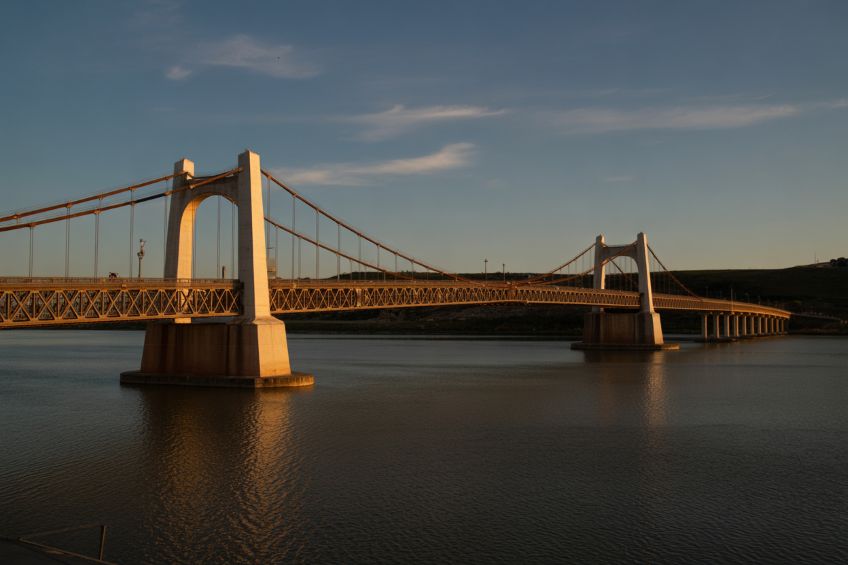
The most advanced of the three bridges, the Alcoutim-Sanlúcar de Guadiana Bridge will span the Guadiana River, connecting the picturesque towns of Alcoutim in Portugal and Sanlúcar de Guadiana in Spain. Currently, travelers have limited options for crossing the river: a small ferry service or a lengthy 70-kilometer detour.
- Estimated Cost: £11.4 million (€13 million)
- Dimensions: The bridge will stretch 435 meters, with a 312-meter main deck spanning the river.
- Tourism Impact: This new bridge will provide the first direct road link between the two towns, making it possible to cross the river in under two minutes by car. This will significantly enhance the tourism potential of the Algarve and Andalusia regions, two areas known for their scenic “white villages.”
- Timeline: Under EU funding conditions, the bridge must be completed by June 30, 2026.
2. Sever River Bridge (Nisa to Cedillo)
The second major bridge in the project connects Nisa in Portugal to Cedillo in Spain, crossing the Sever River. Despite being less than 200 meters apart, the current road route requires a nearly two-hour drive due to the presence of a private dam. This long detour can be frustrating for locals and tourists alike.
- Distance Reduction: The new bridge will reduce the driving distance between Nisa and Cedillo by 85 kilometers, making travel much faster and more efficient.
- Funding Update: As of late 2025, the investment for this bridge and its access roads was increased to €19.5 million due to rising construction and material costs.
3. Erges River and Minho River Bridges (Future Proposals)
Two additional bridge projects are in the planning stages and are part of a broader vision to create an integrated road network between Portugal and Spain.
- Erges River Bridge: This bridge will be part of the IC31 road corridor, linking Portugal’s A23 motorway to the Spanish border near the Monfortinho Thermal Baths. It is designed to create a faster route between Lisbon and Madrid, further strengthening connections between the two capitals.
- Minho River Bridge: A feasibility study is underway for a bridge connecting Caminha in Portugal to La Guardia in Spain. This project aims to alleviate heavy traffic on the existing ferry service between the two towns.
What Are the Benefits of the Project for Tourism and Local Economies?
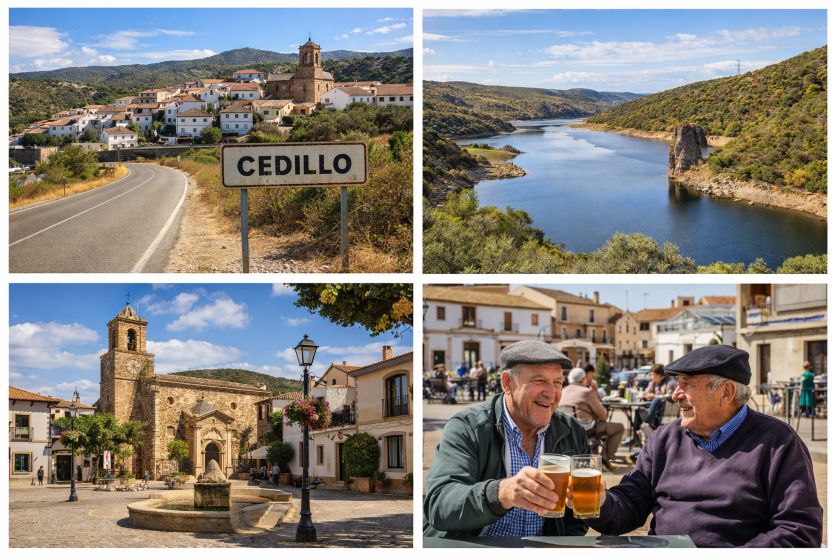
The Iberian Integration plan, under which these bridges are being built, is designed to promote tourism in the “Low Density” regions along the border, encouraging travel away from the more crowded cities like Lisbon and Madrid. These new routes will allow visitors to explore historic regions known as La Raya (The Stripe), which are often overlooked by tourists.
New Road Trip Routes: With these bridges, travelers will be able to create a “Circle Iberia” route, easily crossing the border multiple times without significant backtracking. This will open up new possibilities for international road trips, enhancing the tourism appeal of both Spain and Portugal.
Eco-Tourism Boost: The bridges will improve access to natural reserves and UNESCO Biosphere Reserves, such as the International Tagus Natural Park, shared by both countries. These regions, already known for their eco-tourism potential, are expected to see a surge in visitors, benefiting local eco-tourism businesses and promoting sustainable travel options.
Support for Local Economies: Villages that were once isolated will now become transit hubs, providing opportunities for local businesses to flourish. New boutique hotels, restaurants, and cultural attractions are expected to emerge as a result of the increased traffic. The local economies in these border regions will greatly benefit from the influx of visitors who are eager to explore new areas.
When Will the Bridges Be Completed?
The Alcoutim-Sanlúcar de Guadiana Bridge, the most advanced of the three, is expected to be completed by June 30, 2026, in line with EU funding requirements. The Sever River Bridge is currently in the tender and construction phases, with its completion expected in the coming years. The Erges and Minho River bridges, while still in planning, will further enhance cross-border connectivity once completed, though timelines for these projects are not yet finalized.
How Will This Impact Travel in the Iberian Peninsula?
The completion of these bridges is expected to have a profound impact on travel throughout the Iberian Peninsula. Not only will they reduce travel time and improve connectivity, but they will also contribute to the growth of tourism in the less-visited regions of Spain and Portugal. As the project progresses, travelers will have more opportunities to experience the rich culture, history, and natural beauty of the border areas, while businesses in these regions will benefit from increased visitor numbers.
Conclusion: A New Era of Connectivity for Spain and Portugal
The bridge project linking Spain and Portugal is a game-changer for the Iberian Peninsula. As the bridges near completion, they will offer new opportunities for cross-border travel, boost tourism in low-density regions, and enhance economic development along the border. These bridges are not just infrastructure projects; they are a gateway to new experiences, greater connectivity, and stronger ties between two neighboring countries.
