
Published on
January 17, 2026
As 2026 begins, Spain and Portugal are making headlines for their exceptional tourism growth, solidifying their place as key destinations for travelers worldwide. Both countries are poised to experience an uptick in international arrivals, bolstered by new government-backed initiatives and infrastructure enhancements. With record-breaking numbers expected, the tourism sectors of Spain and Portugal are brimming with opportunities, making 2026 the year to visit Southern Europe.
Spain’s diverse landscapes, ranging from sun-kissed beaches to vibrant cityscapes and picturesque countryside, continue to be a major draw for global travelers. The Spanish government, through the Ministry of Industry, Trade, and Tourism, has been implementing strategic marketing campaigns to promote Spain’s cultural richness and modern appeal. From the historic beauty of Barcelona and Madrid to the breathtaking vistas of Costa Brava and Andalusia, Spain remains a haven for tourists seeking both relaxation and adventure.
Recent data from Spain’s National Tourism Statistics indicate that the country is seeing substantial growth in visitor numbers from major markets such as the United States, Germany, and France. Additionally, emerging markets in Asia and Latin America are contributing to Spain’s increasing appeal. In particular, Madrid’s Prado Museum and La Sagrada Familia in Barcelona are expected to see heightened foot traffic, while lesser-known gems like Valencia’s City of Arts and Sciences and Granada’s Alhambra Palace attract cultural tourists.
The government is also heavily investing in transportation infrastructure, including expanding airports and enhancing rail connections. New high-speed trains connecting major cities like Madrid, Seville, and Valencia will reduce travel time and make it easier for tourists to explore the country. The Madrid Tourist Board emphasizes Spain’s ongoing commitment to improving visitor experiences through seamless travel and digital tourism initiatives.
Portugal, too, is experiencing a tourism boom, with the Portuguese Tourism Agency reporting a significant rise in visitor numbers. Lisbon remains the beating heart of Portugal’s tourism, offering a vibrant mix of traditional and modern attractions. From the historic Belem Tower to the artistic LX Factory, Lisbon’s appeal is rooted in its ability to blend the old and the new. Meanwhile, Porto, famed for its port wine and scenic river views, continues to attract wine connoisseurs and tourists alike.
Portugal’s increasing popularity is not confined to its major cities. The Algarve region, with its golden beaches and luxury resorts, continues to be a top destination for sun-seekers, while the Azores and Madeira islands offer a more tranquil escape, attracting eco-tourists and nature lovers. The Portuguese government’s focus on sustainable tourism initiatives has been pivotal in ensuring that growth in the sector aligns with environmental conservation.
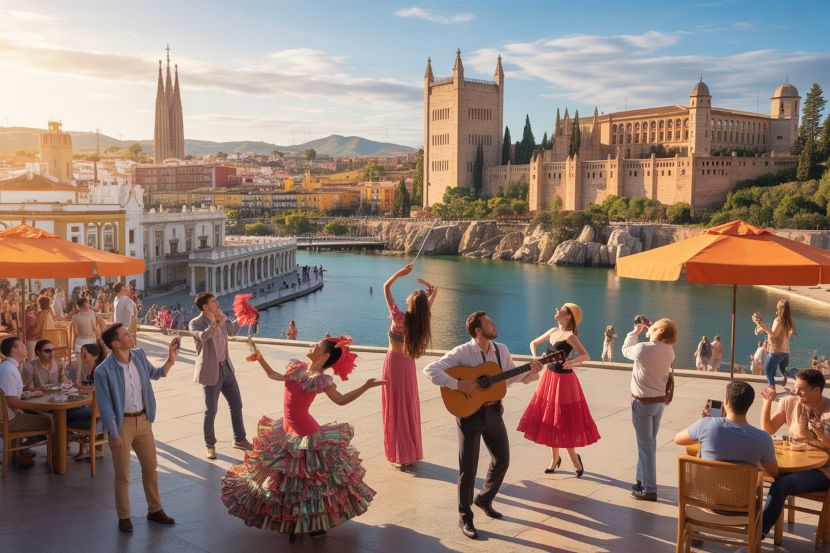
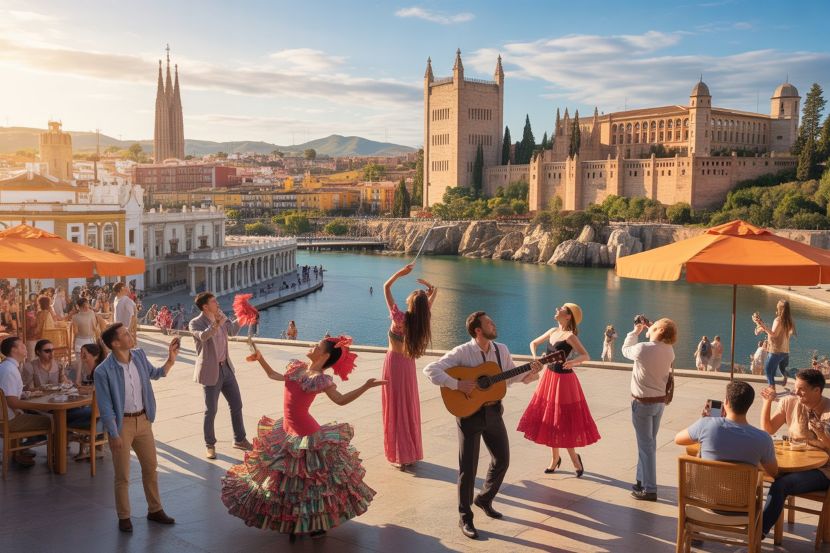
The success of both Spain and Portugal’s tourism industries is rooted in their rich cultural offerings. Spain, with its world-renowned flamenco festivals and culinary delights such as paella and tapas, draws cultural enthusiasts year-round. Portugal’s fado music, port wine, and distinctive cuisine also contribute to its global appeal. These cultural elements, paired with excellent service and hospitality, create an immersive experience for tourists, ensuring that they return year after year.
Furthermore, both countries are making strides in sustainability, which is becoming a key factor for travelers when choosing destinations. Eco-tourism is gaining momentum in both Spain and Portugal, with the Spanish government prioritizing green spaces and eco-friendly infrastructure in tourist hotspots. In Portugal, the National Tourism Strategy emphasizes the importance of balancing economic growth with environmental conservation, especially in protected areas like the Douro Valley.
Looking ahead to 2026, it’s clear that Spain and Portugal’s tourism sectors are well-positioned to continue flourishing. With government investments in infrastructure, new tourism policies, and an ongoing commitment to sustainability, both countries offer an inviting environment for tourists from around the world. Whether you’re planning a trip to Spain’s Costa del Sol, Portugal’s Douro River, or the charming towns nestled in both countries’ heartlands, the opportunity for adventure and cultural exploration is endless.
As Spain and Portugal continue to build upon their tourism successes, 2026 promises to be a year of unforgettable experiences for visitors. The seamless combination of stunning natural landscapes, vibrant cultures, and world-class amenities ensures that both countries will remain at the top of the travel list for global tourists. Whether you seek art, history, relaxation, or adventure, Spain and Portugal offer the perfect blend of experiences, making them prime destinations for the discerning traveler.
