
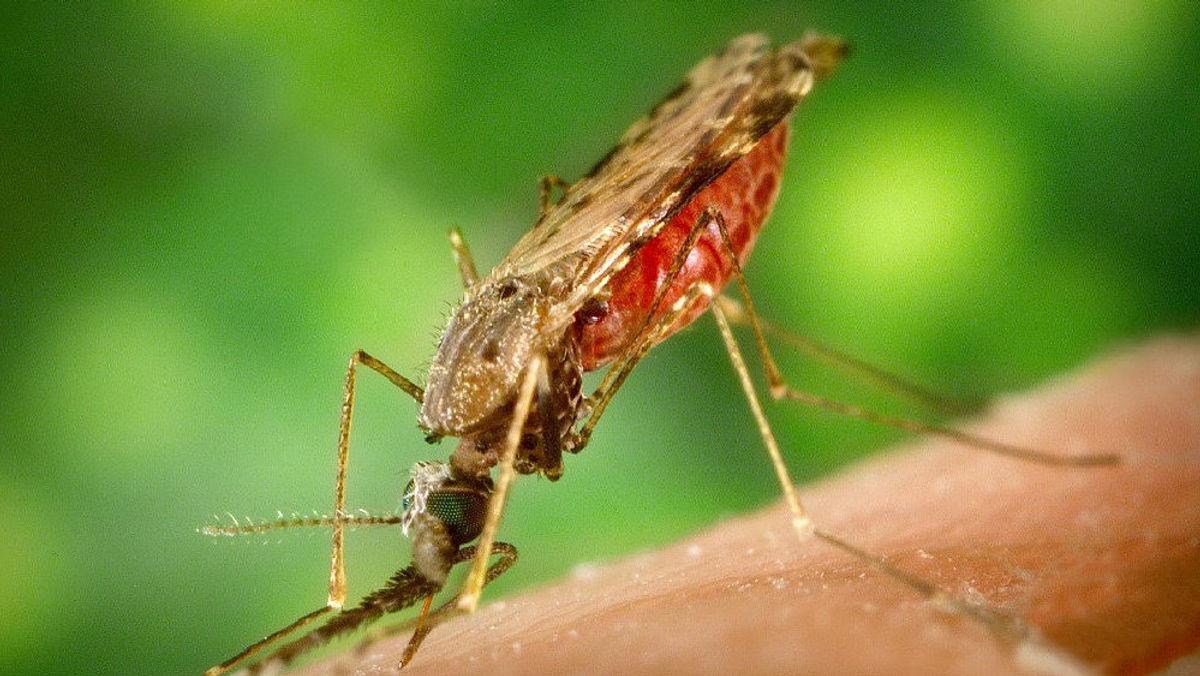

Cuba’s tourism industry, a cornerstone of the island’s economy, is facing mounting challenges as health risks linked to mosquito-borne diseases grow.
Spain’s Foreign Ministry has issued a health advisory noting that “Cuba is currently experiencing a serious epidemic, with simultaneous outbreaks of various mosquito-borne viral diseases,” and cautioning against travel for those not vaccinated against chikungunya, dengue and hepatitis A, Havana Times reports.
As previously reported, Cuba recently announced strengthened health protocols in response to rising concerns over mosquito-transmitted illnesses, with the Cuba Tourist Board outlining enhanced sanitation, regular fumigation and on-site medical support at resorts for visitors. The statement underscored that “Cuba remains a safe destination committed to the health of its visitors.”
RELATED: Cuba Tightens Health Measures Amid Regional Mosquito Concerns
Canada has also updated its travel guidance.
“The destinations listed below are experiencing a higher number of chikungunya cases than expected:
Bangladesh, China (Guangdong Province), Cuba, Madagascar, Kenya, Somalia, and Sri Lanka,” reads a November 18 travel health notice from Global Affairs Canada.
Canada’s Chikungunya: Advice for travellers advises:
- Chikungunya is a disease spread to humans by the bite of an infected mosquito, causing fever and joint pain.
- Most people recover after a few days. However, in some cases, joint pain may last for months to years.
- If a pregnant woman or pregnant person has the virus, they can pass it to their baby.
- A vaccine for the prevention of chikungunya is approved in Canada. Discuss whether its right for you with your health care provider.
- Travellers to areas with a risk of chikungunya should prevent mosquito bites at all times.
These advisories come at a difficult time for Cuba’s tourism sector. Visitor numbers have been falling throughout 2025, and the latest data show notable declines, including Spain and Canada, as travellers reconsider trips amid health concerns and service challenges. Havana Times reported that Spanish tourist visits fell more than 27% year over year through September 2025, while Canadian arrivals also dropped significantly compared with the same period in 2024.
CTV News reports The World Health Organization (WHO) recently “issued an urgent call for action to prevent a repeat of an epidemic of the chikungunya virus that swept the globe two decades ago, as new outbreaks linked to the Indian Ocean region spread to Europe and the Americas.”
Canada’s travel advisory urges travellers to take additional health precautions before, during, and after visiting areas affected by chikungunya.
- Before travel: Consult a health care provider or travel health clinic about six weeks before departure for personalized advice. A chikungunya vaccine is approved in Canada, and travellers are encouraged to discuss the risks and benefits of vaccination based on age, health conditions and itinerary. Pregnant travellers and those aged 65 and older are advised to carefully consider the risks and may wish to avoid affected areas. Canadians are also encouraged to register with the Registration of Canadians Abroad service.
- While travelling: Take steps to prevent mosquito bites at all times, as chikungunya-carrying mosquitoes bite both day and night. Recommended measures include using approved insect repellent, wearing light-coloured, long and loosely fitted clothing, choosing closed-toe shoes and socks, and sleeping under mosquito nets when accommodations are not fully enclosed.
- After returning: Travellers should contact a health care provider if they develop symptoms consistent with chikungunya and clearly disclose where they have travelled. Because symptoms can resemble other infections, including malaria, medical follow-up and testing may be required.