

Published on
January 16, 2026
By: Rana Pratap

Along with Greece, Germany, France, Luxembourg, Poland, and other major European countries, Spain broke tourism records around the continent in 2025, helping to reach a record-breaking total of more than three billion nights spent at tourist accommodations in the European Union. This milestone highlights Europe’s ongoing appeal as a top international tourism destination and represents an astounding 2% rise from the previous year. One of the main drivers of this spike, Spain, had a notable increase in foreign travel, adding millions of nights to the total. The EU’s tourist industry has demonstrated its endurance and dynamic recovery in the post-pandemic era, setting the stage for even greater success in 2026, with nations like Greece, France, and Poland also playing crucial roles in this expansion.
EU Tourism Hits Record Numbers in 2025, Led by Spain and Other Key Destinations
In 2025, Spain played a key role in Europe’s record-breaking tourism numbers, contributing to a total of 3.08 billion nights spent across the European Union, marking a 2% increase over 2024. While both international and domestic tourism grew, international visitors led the charge, adding 46.1 million nights, compared to 15.4 million nights from domestic travelers. Spain, with 330 million international nights, topped the list of destinations, closely followed by Italy, France, and Greece. Together, these countries powered Europe’s tourism growth, showcasing the continent’s continued global appeal.
The EU tourism market surged by 7.2% above pre-pandemic levels, with a 43% increase since 2010, proving the sector’s resilience. Hotels remained the dominant accommodation type, accounting for 63% of nights, while holiday dwellings and campsites also saw strong contributions. Spain’s dominance in international tourism was evident, as nearly 64% of all nights spent there were by foreign guests, further cementing its position as a leading global tourism hub. Countries like Luxembourg and Poland also saw notable growth, contributing significantly to the rise.
In the summer quarter of Q3 2025, the EU saw 1.27 billion nights, a 1.7% rise compared to 2024, with Spain, France, and Italy leading the way. The increase in overnight stays, especially in peak months like August and July, highlighted Europe’s robust recovery and its growing allure for both domestic and international travelers. The rise in nights spent reflects not only the post-pandemic rebound but also a long-term trend, positioning Europe for continued tourism success well into the future.
France Contributes 13.7 Million Nights in 2025, Leading Europe’s Record-Breaking Tourism Growth
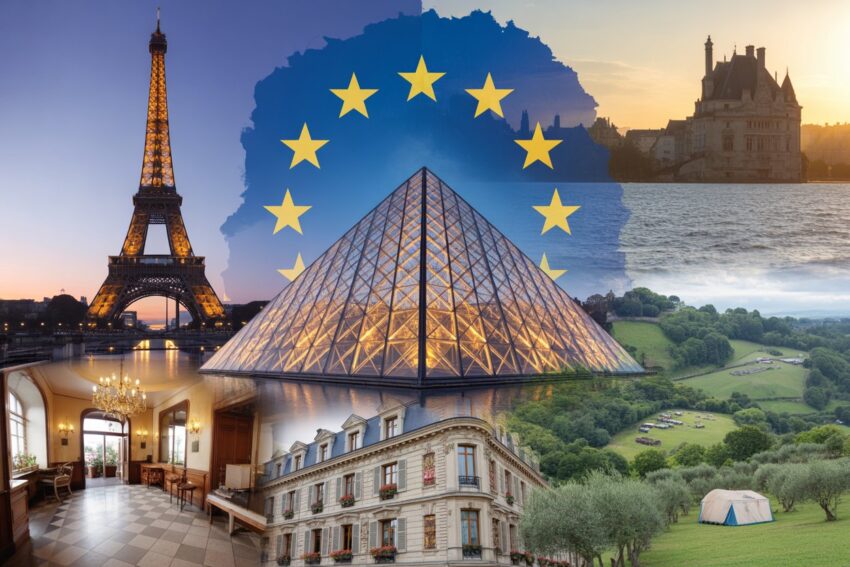
France is playing a significant role in Europe’s record-breaking tourism year, contributing to the 3.08 billion nights spent at EU tourist accommodations in 2025. According to the latest data from Eurostat, the EU’s tourism industry surged by 2%, exceeding the previous year by 61.5 million nights, with France being a major contributor to this growth.
France’s Contribution to EU Tourism Growth
France saw an impressive increase in tourism in 2025, recording a rise of 13.7 million nights compared to 2024. The country’s tourism performance was largely driven by international visitors, with France attracting millions of foreign tourists who contributed significantly to the 3.08 billion total nights spent across Europe. France’s diverse offerings, from iconic landmarks like the Eiffel Tower to its wine regions and coastal beauty, remain major draws for international travelers.
Domestic and International Tourism in France
While international tourism surged, domestic tourism also played a vital role in France’s tourism success. French residents spent 143 million nights within their own country, ensuring that domestic tourism remains a strong pillar of the economy. However, the bulk of the growth came from international visitors, reflecting the broader EU trend where foreign guests contributed more to the overall increase in tourism.
Accommodation Trends: Hotels and Short-Stay Options Lead
Hotels continue to dominate accommodation preferences in France, accounting for 63% of the total nights spent. Short-stay accommodations and holiday dwellings also experienced growth, appealing to visitors looking for flexibility in their travel arrangements. Although campsites experienced a slight decline, they remain a popular choice, particularly in regions like the French Riviera.
Sustained Growth Post-Pandemic
France’s tourism industry is not just recovering but thriving, with 2025 figures already surpassing pre-pandemic levels by 7%. This ongoing growth highlights France’s resilience, with a strong outlook for 2026. As Europe continues to break records in tourism, France’s role in this success story is indispensable, contributing to the overall rise in European tourism and positioning itself as one of the top travel destinations worldwide.
The Future of Tourism in France
With a 43% increase in tourism nights from 2010 to 2025, France continues to set benchmarks for growth. Looking ahead, France is poised for continued success in 2026, with both domestic and international tourism playing key roles. Its diverse offerings and forward-thinking tourism strategies ensure that France will remain a top destination in Europe for years to come.
Spain Shatters Tourism Records, Contributing to EU’s Historic 3 Billion Nights Spent in 2025
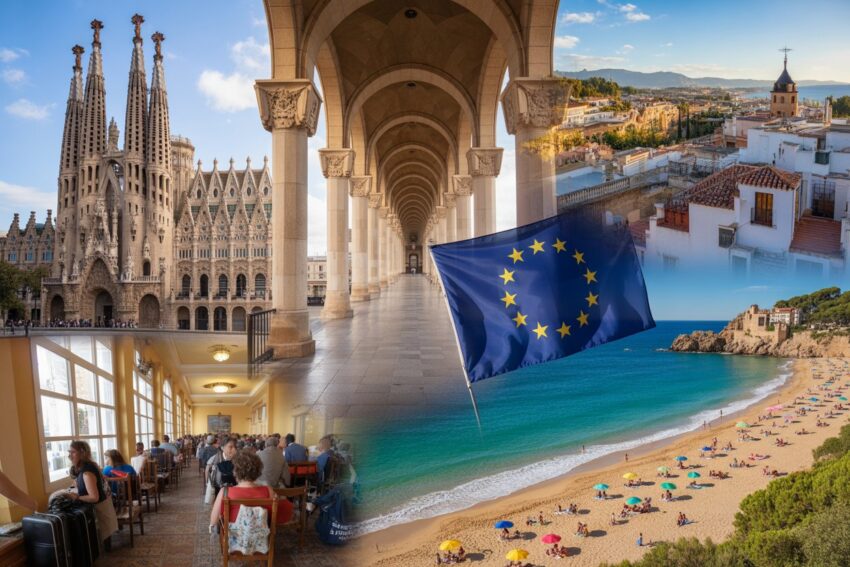
Spain has played a pivotal role in Europe’s record-breaking tourism year, contributing significantly to the 3.08 billion nights spent across the EU in 2025. As the tourism sector grew by 2%, Spain’s iconic attractions and global appeal attracted millions of visitors, driving substantial increases in both domestic and international tourism. Spain alone added 8.1 million nights to this impressive total.
Spain’s Role in EU Tourism Growth
Spain’s tourism numbers in 2025 surged by 8.1 million nights, solidifying its place among the top contributors to Europe’s overall growth. Major destinations such as Barcelona, Madrid, and Seville, along with its picturesque beaches, continue to draw millions of international tourists. This surge aligns with the broader EU trend, where international visitors accounted for much of the increase in nights spent across the region.
International Tourism Leads the Charge in Spain
The majority of Spain’s tourism growth was driven by international visitors, who made up nearly half of the total nights spent in the country. As a key European destination, Spain attracted tourists from the UK, Germany, France, and beyond, with its vibrant culture, art, and beaches remaining a huge draw. Despite a slight dip in domestic tourism, international tourism ensured Spain’s continued success in 2025.
Spain’s Tourism Accommodation Trends
In Spain, hotels accounted for the bulk of tourism accommodation, reflecting the country’s robust hospitality sector. Short-stay accommodations and holiday rentals also saw growth, appealing to a wide range of travelers seeking flexibility. While campsites saw a slight decline, they remain popular in certain regions, contributing to Spain’s diverse tourism landscape.
Spain’s Tourism Recovery and 2026 Outlook
Spain’s tourism industry has fully recovered from the pandemic and surpassed 2019 levels by 7%. With 2025 marking a year of unprecedented growth, Spain’s outlook for 2026 remains strong. The country’s ability to attract a diverse range of tourists, coupled with ongoing investments in sustainable tourism, ensures Spain will remain one of Europe’s leading destinations.
Greece Contributes 8 Million Nights in 2025 in Europe’s Record-Breaking Tourism Growth
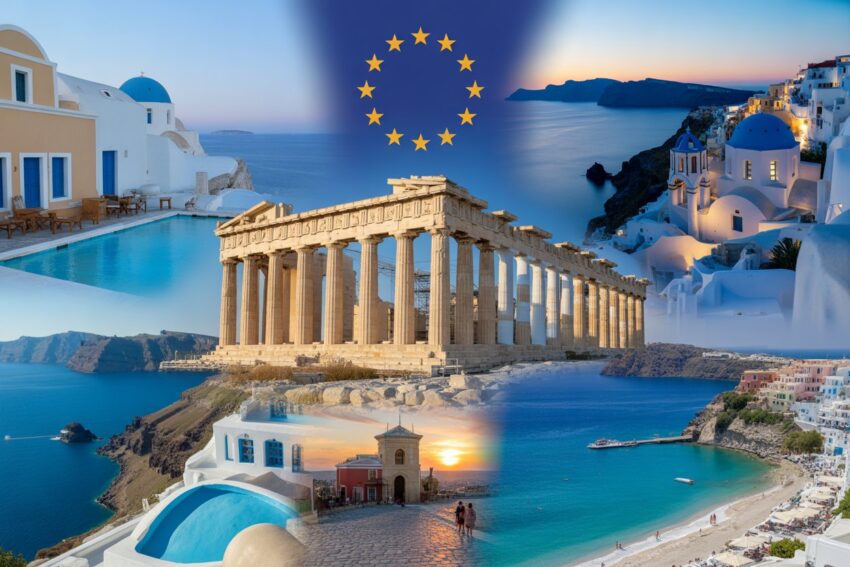
Greece has made a significant impact on Europe’s record tourism year, contributing 8 million nights to the total number of nights spent across the EU in 2025. The country’s timeless appeal, stunning landscapes, and rich cultural heritage played a vital role in Europe’s tourism boom, cementing Greece’s position as a top travel destination.
Greece’s Impact on EU Tourism Growth
In 2025, Greece experienced an impressive increase of 8 million nights spent in tourist accommodations compared to the previous year. This boost was driven primarily by the influx of international visitors flocking to Greece’s iconic islands, historic cities, and natural wonders. Greece’s contribution to Europe’s record-breaking tourism growth highlights the country’s importance as a major tourism hub.
International Tourism Drives Greece’s Growth
The majority of the tourism growth in Greece came from international tourists, with foreign visitors accounting for a large proportion of the 8 million additional nights. The allure of Greek landmarks such as the Parthenon, Santorini, and Mykonos, combined with the country’s Mediterranean charm, continues to draw travelers from around the world. International visitors were key to Greece’s stellar performance in 2025, although domestic tourism also showed positive trends.
Accommodation Trends in Greece: Hotels and Rentals Lead
Hotels remain the most popular accommodation option in Greece, contributing the largest share of the 8 million additional nights spent in the country. Alongside this, vacation rentals and short-stay accommodations have seen a rise in popularity, particularly on the islands. Campsites, while still a niche segment, continue to appeal to certain travelers looking for a more outdoor experience. Greece’s diverse accommodation offerings ensure it caters to a wide range of visitor preferences.
Greece’s Bright Tourism Future in 2026
Greece’s tourism industry has fully recovered from the pandemic, surpassing 2019 levels and continuing its upward trajectory. The country’s sustained growth in 2025 sets the stage for an even brighter tourism outlook in 2026, as more international tourists are expected to explore Greece’s beautiful destinations. With a continued focus on sustainability and enhancing the tourist experience, Greece is set to remain a top choice for travelers worldwide.
Luxembourg Contributes 4 Million Nights in 2025 in Europe’s Record-Breaking Tourism Surge

Luxembourg has made a significant impact on Europe’s record-setting tourism year, contributing 4 million nights to the total number of nights spent across the EU in 2025. With its rich history, unique cultural offerings, and vibrant landscapes, Luxembourg helped boost Europe’s tourism figures, playing an important role in this historic growth.
Luxembourg’s Contribution to EU Tourism Growth
In 2025, Luxembourg experienced substantial growth in tourism, with 4 million additional nights spent in tourist accommodations compared to the previous year. The country’s appeal as a dynamic destination for culture, nature, and history drew international visitors, who made Luxembourg one of the key contributors to the overall European tourism surge.
International Tourism Drives Luxembourg’s Growth
The majority of Luxembourg’s tourism growth came from international visitors. The country’s strategic location in the heart of Europe, along with its cultural festivals, charming castles, and picturesque landscapes, made it an attractive destination for tourists from neighboring countries and beyond. Despite being a smaller destination, Luxembourg’s tourism industry benefited significantly from the influx of foreign visitors, marking a successful year for the nation.
Accommodation Trends in Luxembourg: Hotels and Short-Stay Rentals Lead
Luxembourg’s tourism accommodations saw a boost in both hotel stays and short-term rentals in 2025. Hotels continued to dominate the sector, with many international tourists opting for the convenience and comfort of Luxembourg’s well-established hospitality offerings. Short-term rentals, particularly in Luxembourg City and surrounding areas, also saw notable growth as visitors sought more flexible lodging options.
Luxembourg’s Tourism Outlook for 2026
Luxembourg’s tourism industry has shown remarkable resilience and growth, exceeding pre-pandemic levels in 2025. With a focus on sustainability, cultural heritage, and innovative tourism experiences, Luxembourg is poised for continued success in 2026. The country’s unique blend of historical charm and modern offerings ensures that it will remain a top European destination in the coming years.
Poland Contributes 7 Million Nights in 2025 in Europe’s Historic Tourism Growth
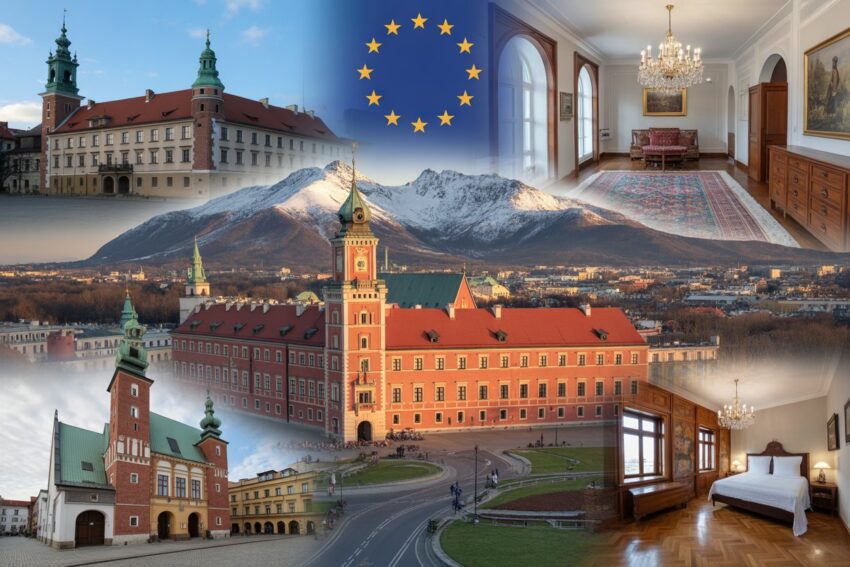
Poland has played a pivotal role in Europe’s record-breaking tourism performance, contributing 7 million nights to the total 3.08 billion nights spent across the EU in 2025. The country’s growing popularity, rich culture, and historic landmarks helped fuel this surge, as Poland continued to establish itself as one of Europe’s key tourism destinations.
Poland’s Impact on EU Tourism Growth
In 2025, Poland experienced a remarkable growth of 7 million nights spent in tourist accommodations, highlighting its importance in Europe’s overall tourism surge. Poland’s well-preserved cities, including Warsaw, Kraków, and Gdańsk, alongside its natural beauty and rich history, made it an increasingly attractive destination for international visitors, contributing to the overall rise in EU tourism.
International Tourism Drives Poland’s Growth
Poland’s tourism growth was largely driven by international visitors. With an influx of travelers from neighboring countries and beyond, Poland’s rich cultural heritage, historic landmarks like the Auschwitz-Birkenau Memorial, and its charming cities captured the interest of global tourists. The diversity of attractions—from vibrant urban areas to tranquil nature spots—helped propel Poland’s tourism to new heights in 2025.
Accommodation Trends in Poland: Hotels and Short-Term Rentals Lead
Poland’s accommodation sector saw significant growth, particularly in hotels, which accounted for the majority of the nights spent in the country. Hotels, ranging from luxury options to more budget-friendly choices, continue to attract international tourists. Additionally, short-term rentals and vacation homes are increasingly popular, particularly in major cities and scenic areas such as Zakopane. Poland’s robust accommodation offerings cater to a wide variety of tourists seeking different experiences.
Poland’s Tourism Outlook for 2026
Poland’s tourism industry is expected to maintain its strong growth trajectory, as the country continues to recover and thrive post-pandemic. With its expanding range of cultural experiences, historical sites, and growing infrastructure, Poland is well-positioned to be a major tourism hub in 2026. As more international visitors discover what Poland has to offer, the country’s tourism sector is set for continued success in the coming years.
Europe’s Tourism Surge in 2025: Romania, Ireland, Latvia, Malta, and More Drive Record-Breaking 3.08 Billion Nights Spent
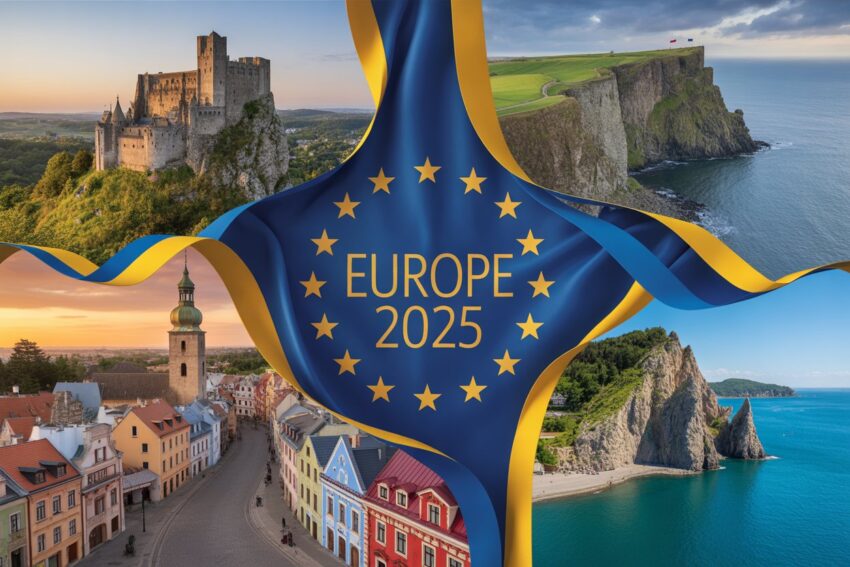
In 2025, Europe saw an unprecedented surge in tourism, with a record 3.08 billion nights spent across the EU. Countries like Romania, Ireland, Latvia, and Malta contributed to this historic growth, each bringing their unique cultural, natural, and historical appeal to the broader European tourism landscape. Their combined efforts helped achieve this milestone, with notable increases in international and domestic tourism across the region.
Romania’s Growth in Tourism Nights
Romania, while seeing a slight decrease in tourism compared to 2024, still made significant contributions to the EU’s tourism growth, maintaining a steady share of the market. The country’s historic sites, including the famed Dracula’s Castle, and its natural beauty continue to captivate international visitors. In 2025, Romania saw a minor decline of -1.1% in nights spent, but it remains a strong player in Eastern Europe’s tourism landscape.
Ireland’s Contribution to EU Tourism
Ireland experienced a slight decrease in tourism in 2025, with a -1.8% drop in nights spent compared to the previous year. However, the Emerald Isle remains a beloved destination for international visitors, known for its scenic landscapes, rich history, and cultural landmarks like the Cliffs of Moher and Dublin’s Temple Bar. Despite the small dip in numbers, Ireland continues to attract millions of visitors and remains a cornerstone of European tourism.
Latvia: A Rising Tourism Destination
Latvia saw a significant increase in tourism in 2025, contributing to Europe’s tourism boom with a rise of 6.2% in nights spent compared to 2024. Riga, the country’s vibrant capital, alongside Latvia’s Baltic coastline and UNESCO-listed sites, attracted more visitors. This rise places Latvia as one of the faster-growing tourism destinations in the EU, with international visitors increasingly exploring its cultural and natural wonders.
Malta: A Leader in Tourism Growth
Malta experienced the highest growth in tourism in 2025, with a 10% increase in nights spent, making it one of the top-performing countries in the EU for the year. The island nation’s Mediterranean charm, historical sites, and year-round warm climate continue to make it a favorite destination for travelers. Malta’s rapid rise in tourism was instrumental in driving the overall EU growth, as international visitors flocked to its scenic shores and ancient landmarks.
Other EU Countries: Growth Across the Board
While Malta, Latvia, and Romania experienced notable growth, other EU countries also saw positive trends in tourism, contributing to the overall record-breaking numbers. The broad spread of tourism success across the continent showcases the appeal of Europe as a diverse and attractive travel destination. Despite slight declines in countries like Ireland and Romania, the overall trend remains positive, with many nations seeing an increase in both domestic and international tourism.
In 2025, Spain joined Greece, Germany, France, Luxembourg, Poland, and more in shattering Europe’s tourism records, contributing to over three billion nights spent, reflecting the continent’s growing global appeal and resilience.
In conclusion, Spain’s pivotal role, alongside Greece, Germany, France, Luxembourg, Poland, and other key European nations, in shattering Europe’s tourism records by surpassing three billion nights spent in 2025, is a testament to the continent’s extraordinary recovery and its enduring allure. This historic achievement not only underscores the resilience of European tourism in the face of challenges but also reflects the growing global demand for diverse and rich travel experiences that Europe offers. With iconic destinations like Spain, Greece, and France leading the way, alongside the rising appeal of countries like Luxembourg and Poland, Europe has firmly established itself as a top destination for travelers worldwide. As the tourism industry continues to thrive, supported by sustainable travel practices and innovative strategies, Europe is well-positioned for even greater success in 2026 and beyond, with a continued influx of international visitors eager to explore its vast cultural, historical, and natural treasures.
