
Published on
January 9, 2026
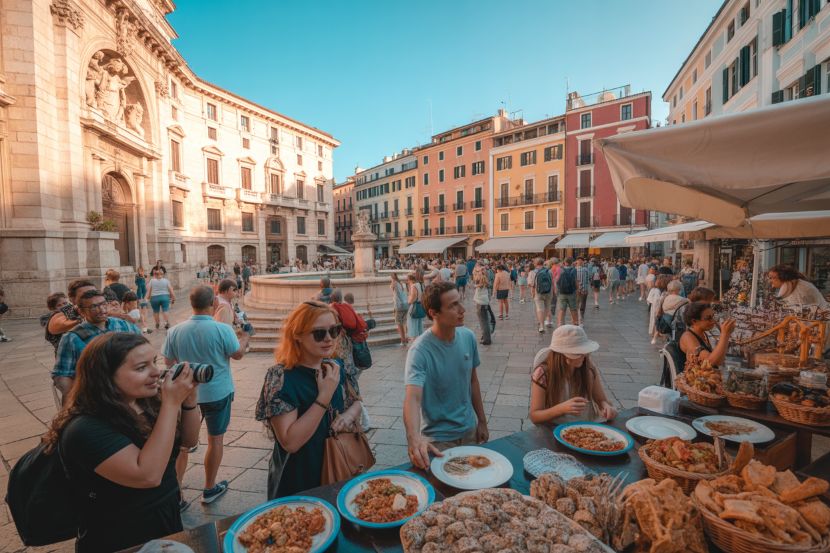
Spain led a surge in Europe’s tourism growth, joining countries like Italy, Greece, Albania, Poland, and more. This growth is driven by new attractions, cultural events, and improved transport. Spain’s continued dominance in tourism is complemented by Italy’s Olympics boost, Greece’s culinary tourism, Albania’s budget appeal, and Poland‘s value-for-money rise. These destinations now represent key options for travelers seeking diverse experiences, from historical sites to modern attractions, contributing to a thriving European tourism landscape.
Europe’s event-driven tourism sector has been experiencing record growth, with spending increasing by 7% in 2025. The European Travel Commission (ETC) and Oxford Economics report that the demand for sports events, conferences, exhibitions, and cultural festivals has played a pivotal role in this surge, driving economic benefits for local communities and reshaping the travel strategies of key destinations across the continent.
Countries like Spain, Italy, and Greece have been at the forefront of this boom, attracting business travelers and tourists alike with their high-value offerings. While traditional tourism powerhouses continue to lead, emerging destinations like Albania have also seen double-digit growth in tourism as more travelers seek affordable and authentic experiences.
Spain: A Powerhouse for Event Tourism
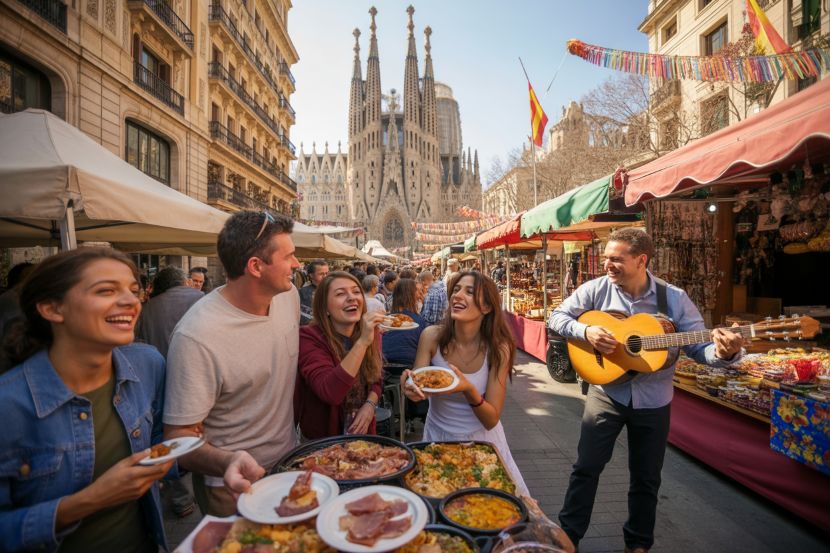
Spain remains the strongest driver of Europe’s event tourism growth in 2025. The Spanish tourism sector continues to build on its volume-driven success, but this year, the focus has shifted to high-value tourism. Secondary cities like Seville and Valencia are becoming increasingly popular, taking the pressure off major tourist hotspots like Barcelona.
Spain’s extensive high-speed rail network has made it easier for travelers to explore multiple cities, especially for those attending sports events or cultural festivals. This multi-city tourism model is contributing to an increase in tourism spending, with travelers opting for longer stays and visiting a broader range of destinations.
Visitor Tips: If planning to visit Spain, consider traveling on the AVE high-speed trains, which offer quick and scenic routes between Madrid, Seville, and Valencia.
Italy: The Winter Olympics and Growing Southern Attractions
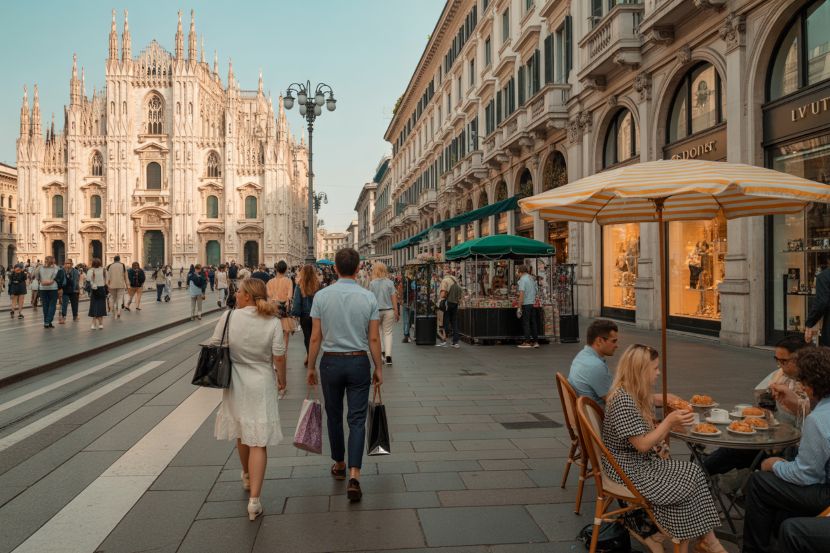
Italy’s tourism has seen a significant boost in 2025, thanks to the upcoming Winter Olympics in Milano-Cortina in 2026. The Olympics are expected to have a €5.3 billion economic impact, which is already spurring a surge in flight bookings to the region. The northern Italy region has seen a 160% increase in bookings compared to previous years as travelers look to attend the Games or explore the area ahead of time.
But beyond the Winter Olympics, Italy’s southern regions, including Puglia and Sicily, are also experiencing a boom in tourism. These areas, known for their authentic charm, local cuisine, and cultural heritage, are now attracting travelers seeking more peaceful, off-the-beaten-path destinations.
Visitor Tips: For a unique Italian experience, consider visiting Puglia for its stunning coastline and trulli houses in Alberobello or Sicily for historical sites like Valley of the Temples.
Greece: A Culinary and Cultural Hotspot

Greece continues to thrive in 2025, particularly thanks to the launch of Crete as the European Region of Gastronomy in 2026. This has sparked a new wave of culinary tourism to the region, with tourists flocking to the island to experience its local cuisine. The Greek government’s focus on sustainable tourism and high-quality travel experiences has also increased the average spend per visitor in the country.
Beyond Crete, Greece’s emphasis on year-round tourism has extended the travel season well into the shoulder months of spring and autumn, ensuring that the country remains a popular destination well beyond the summer.
Visitor Tips: If visiting Crete, don’t miss the chance to experience its famous Minoan ruins and sample the island’s locally-produced olive oil and wine at agritourism sites.
Albania: Europe’s Breakout Star in 2025

Albania is experiencing unprecedented growth in tourism, with a 37.2% surge in visitor arrivals recorded in 2025. Known as the “New Croatia”, Albania offers travelers exceptional value for money and affordable luxury in the Mediterranean. The country’s Albanian Riviera and Gjirokastër, a UNESCO World Heritage site, are becoming increasingly popular with Gen Z and budget-conscious travelers.
The country’s unique blend of cultural heritage, natural beauty, and affordable accommodation has made it a top choice for young travelers and those looking for a more authentic European experience without the high costs of traditional destinations.
Visitor Tips: For an off-the-beaten-path beach experience, head to Dhermi or Jale Beach, where you can enjoy untouched landscapes and the stunning blue waters of the Ionian Sea.
Poland: A Rising Star in Event-Driven Tourism
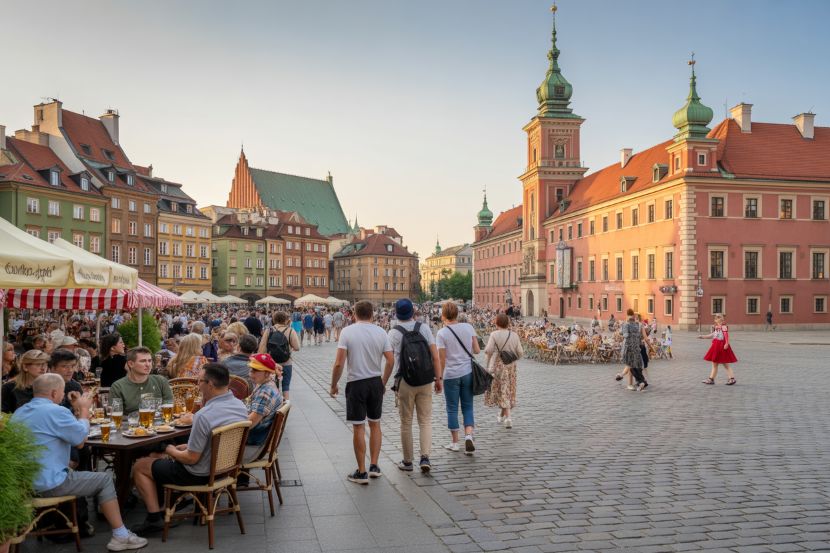
Poland has firmly established itself as a high-value, low-cost destination in Europe. Cities like Warsaw have reinvented themselves, especially with the country’s growing reputation as a foodie destination. The Varso Tower—the EU’s tallest building—has also become a significant tourist attraction, driving economic growth and increasing visitor numbers by over 13% in 2025.
Poland’s rich historical sites, vibrant culture, and affordable pricing make it an ideal choice for budget-conscious travelers seeking authentic European experiences.
Visitor Tips: Don’t miss Krakow’s stunning Wawel Castle or Gdansk’s beautiful medieval architecture for a taste of Poland’s history and charm.
The Shift Towards Event-Driven Tourism: A Strategy for Economic Growth
As the event-driven tourism sector continues to grow in Europe, countries are aligning their tourism strategies to maximize economic returns from these events. Events not only provide a direct influx of visitors but also create long-term value for local communities by improving infrastructure, fostering sustainable tourism, and creating job opportunities in sectors like hospitality, transport, and entertainment.
European destinations are increasingly recognizing the need to diversify their offerings and promote regional attractions, thus reducing overcrowding in traditional tourist hotspots. This diversification strategy has led to greater inclusivity, making Europe a more accessible destination for a broader range of travelers.
Quick Tips for Travelers in 2026
- Plan for Event Seasons: Check the local calendars for major events like the Winter Olympics in Italy or gastronomy tours in Greece to plan your travel dates around these attractions.
- Embrace Off-Peak Travel: Take advantage of shoulder season travel in destinations like Greece and Albania, where you can avoid the crowds and still enjoy great weather.
- Sustainable Tourism Choices: Opt for eco-friendly accommodation and low-impact travel options, especially in countries like Greece and Norway, which are promoting sustainable tourism.
- Explore Emerging Destinations: Consider Poland, Albania, or Portugal for affordable and unique experiences without the high costs of traditional destinations.
Key Takeaways:
- Spain, Italy, and Greece remain top tourism drivers in 2025, with events like the Winter Olympics and gastronomy festivals leading the way.
- Albania and Poland are the fastest-growing destinations, attracting younger travelers seeking affordable, authentic experiences.
- Event tourism generates significant economic benefits, with food, transport, and hospitality industries seeing the most growth.
- Travelers should stay updated on event schedules and consider shoulder-season travel to avoid crowds while enjoying the best of Europe’s diverse offerings.
Spain and other emerging European destinations are thriving due to dynamic growth fueled by unique cultural events, better accessibility, and affordable options, making them top choices for tourists in 2026.
Disclaimer: The Attached Image in This Article is AI Generated
