
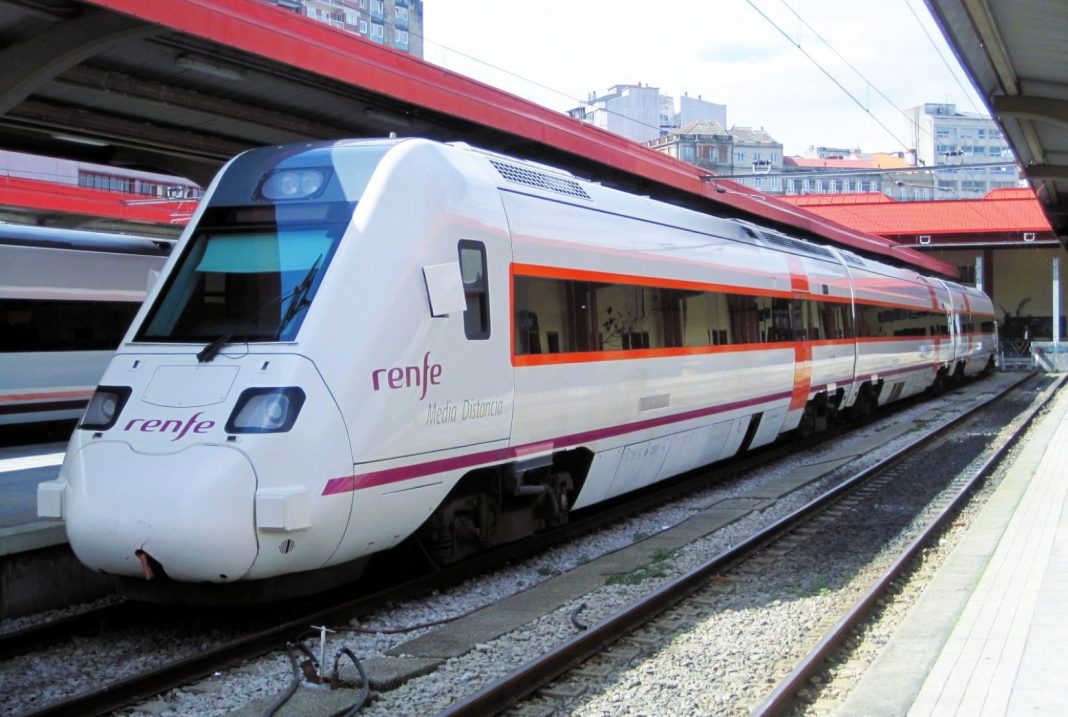
Spanish Prime Minister Pedro Sánchez said the government will extend public transport subsidies through 2026 and introduce a nationwide travel pass covering commuter trains, regional rail services, and state-run buses. It marks a major shift in how public transport is used across Spain.
Speaking during the government’s year-end press conference in Madrid, Sánchez confirmed that discounts first introduced in September 2022 to revive public transport use after the pandemic were due to expire on December 31. Instead, the measures will be prolonged for another year. They are even expanded with the launch of Spain’s first single, countrywide transport ticket, expected to take effect in the second half of January.
The new monthly pass will cost €60 for adults and €30 for travelers under 26. It will allow unlimited travel on commuter trains, regional rail services, and state-operated bus routes. According to government estimates, the initiative will benefit around two million regular users.
Sánchez said the savings could be substantial for daily commuters. As an example, he cited workers traveling between cities such as Vigo and Santiago or Jerez and Seville, who could cut their monthly transport costs by as much as 60 percent. “For many households, the financial relief will be clear,” he said, describing the plan as a “transformative and highly significant” policy.
The measures will be approved through a royal decree-law at the final cabinet meeting of the year. While the initial rollout focuses on transport services managed by the central government, Sánchez called on regional and local authorities to gradually join the scheme so that metro systems and city bus networks can eventually be included. The offer would then be similar to the one existing in Germany with the “Deutschland Ticket”.
At present, Spain’s autonomous regions operate with different fare structures and ticketing systems, complicating travel between regions. The proposed national pass aims to reduce those barriers, though its success will depend on close coordination among multiple layers of government.
The initiative, which got inspired by similar systems in Germany and Austria, is intended to promote public transport use while reducing reliance on private cars, particularly in urban areas. High-speed AVE and Avlo services will not be included initially, though future expansion remains under consideration.