
Published on
September 17, 2025

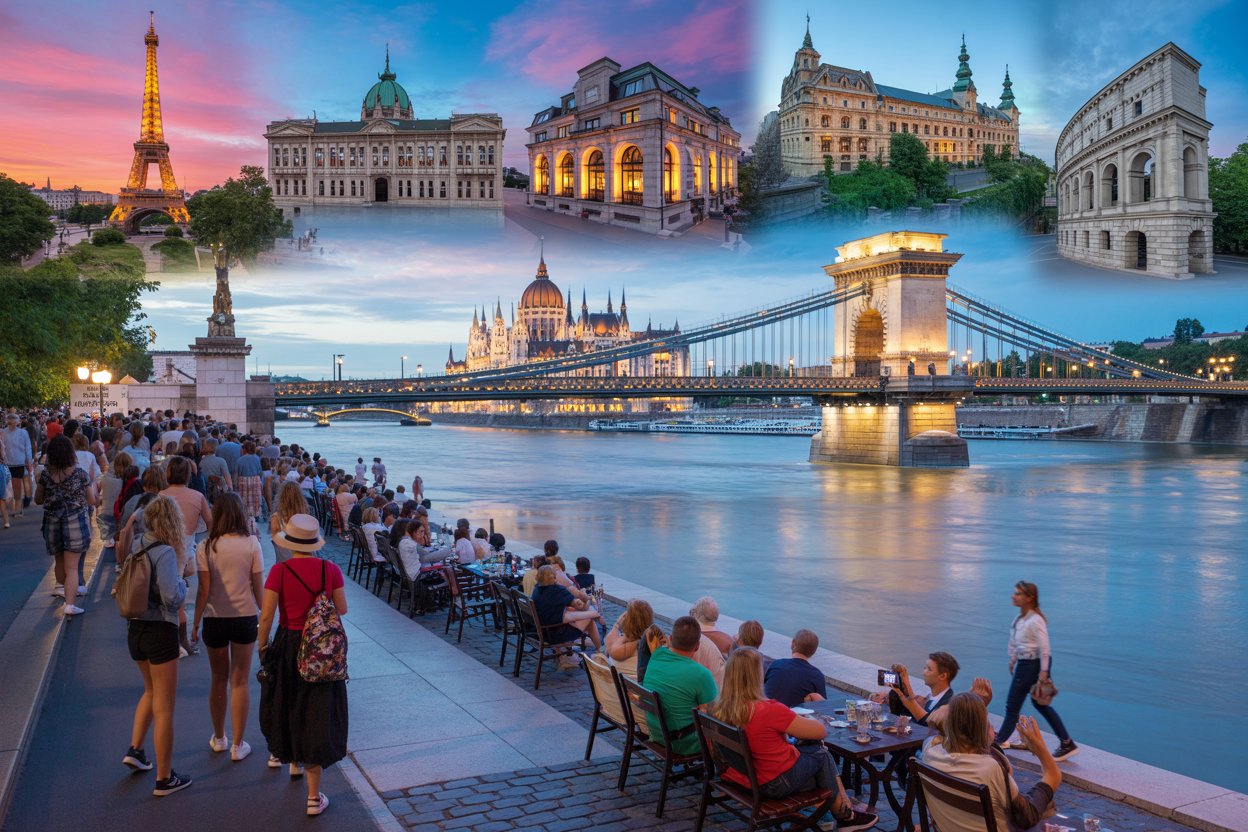
In a stunning display of tourism success, Spain has outpaced France, Italy, Germany, Hungary, Romania, and other European nations, achieving a skyrocketing record in tourism revenues during the first half of 2025. According to official government figures, Spain has seen an impressive surge in both tourist arrivals and spending, outshining its European counterparts by a significant margin. The country’s rich cultural heritage, world-renowned attractions, and commitment to enhancing tourism infrastructure have played a pivotal role in driving this exceptional growth.
While France, Italy, Germany, Hungary, and Romania all experienced positive increases in tourism, none could match Spain’s remarkable performance. Spain’s total tourism revenues soared, reflecting the growing global demand for its diverse offerings — from historical landmarks like La Sagrada Família to the stunning beaches of Costa Brava. The government’s strategic initiatives in promoting sustainable tourism and enhancing the travel experience have ensured that Spain remains at the forefront of European destinations, making it the undisputed leader in tourism revenue growth.
This surge in tourism not only highlights Spain’s attractiveness as a global destination but also underscores the vital role the sector plays in driving the country’s economy. As Spain continues to captivate travelers from all over the world, its tourism industry sets an example for other European nations looking to boost their own tourism performance.
A Surge in Tourism: Spain Continues to Captivate the World
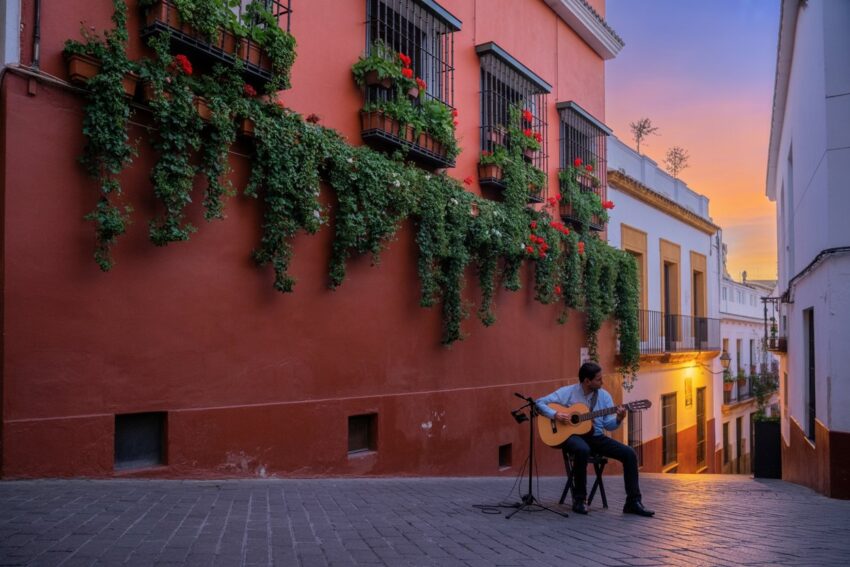
Spain’s tourism sector has experienced a significant resurgence in 2025, marking a remarkable recovery and growth trajectory. According to official data from the Spanish government, international tourist arrivals in the first half of 2025 reached over 44.5 million, reflecting a 4.7% increase compared to the same period in 2024. Correspondingly, total expenditure by international visitors during this period amounted to €59.6 billion, representing a 7.5% rise year-over-year.
This growth underscores Spain’s enduring appeal as a premier global travel destination, bolstered by its rich cultural heritage, diverse landscapes, and world-renowned attractions. The government’s strategic initiatives to enhance tourism infrastructure and promote sustainable travel have contributed to this upward trend. Regions such as Catalonia, the Canary Islands, and the Balearic Islands have been particularly popular among international visitors, with notable increases in both arrivals and spending.
The tourism sector’s robust performance plays a pivotal role in Spain’s economic landscape, contributing significantly to GDP and employment. As the country continues to attract a diverse range of travelers, the sustained growth in both visitor numbers and expenditures highlights Spain’s position as a leading destination in the global tourism market.
Spain Guide
Key Cities: Madrid (capital), Barcelona, Seville, Valencia, Bilbao.
Major Attractions: La Sagrada Família, Alhambra, Park Güell, Prado Museum, Montserrat, and the beaches of Costa Brava.
Food Culture: Spain is famous for its diverse cuisine, including tapas, paella, gazpacho, and churros. Each region has its own specialties, such as jamón ibérico in Andalusia, seafood paella in Valencia, and pintxos in the Basque Country.
Language: Spanish (Castilian) is the official language, with regional languages such as Catalan, Basque, and Galician spoken in their respective areas.
A Surge in Tourism: France Continues to Captivate the World

France has experienced a notable surge in international tourism, reflecting its continued dominance as a global travel destination. With a Year-to-Date (YTD) increase of 4.8% in tourist arrivals compared to the previous year, the country’s appeal remains robust. This growth is mirrored in the rise of tourist receipts, which also saw a 4.8% increase, with the first and second quarters contributing 45% and 55%, respectively. These figures highlight the significant economic impact tourism continues to have on France’s economy.
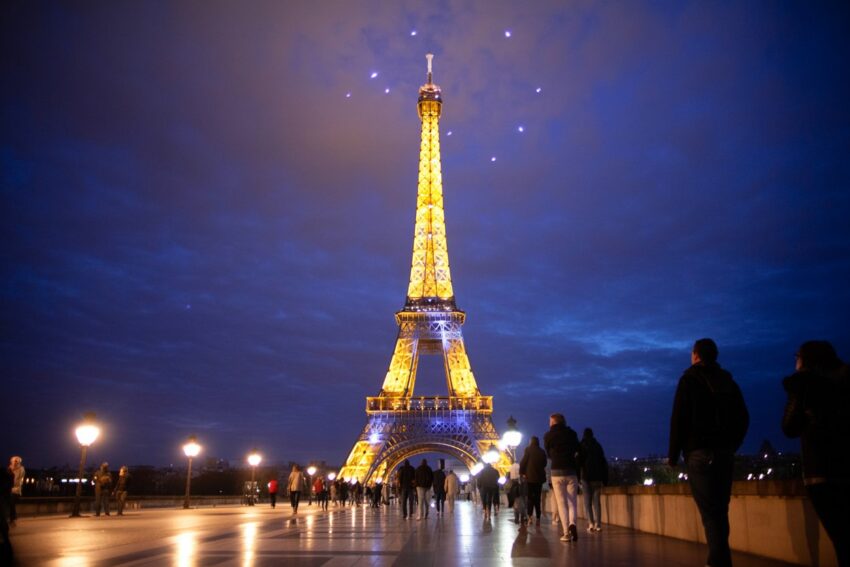
France’s tourism success is driven by a combination of world-renowned attractions, such as the Eiffel Tower, Louvre Museum, and Provence’s lavender fields, alongside an extensive travel infrastructure that ensures seamless experiences for visitors. The distribution of tourist arrivals throughout the year also showcases France’s year-round appeal. January and February each accounted for 14% of arrivals, while March saw a 17% increase, and April and May led the way with 25% and 29% shares, respectively. This seasonal distribution underscores the country’s ability to attract tourists across different months, with peak seasons reflecting the country’s versatility in catering to various types of travelers, from culture seekers to leisure visitors.
France Guide
Key Cities: Paris (capital), Lyon, Marseille, Nice, Toulouse.
Major Attractions: Eiffel Tower, Louvre Museum, Notre-Dame Cathedral, Mont Saint-Michel, the French Riviera, and Château de Chambord.
Food Culture: France is renowned for its culinary art, offering exquisite pastries like croissants and macarons, rich cheese varieties, and iconic dishes such as escargot, coq au vin, and crème brûlée.
Language: French is the official language, with regional dialects like Provençal and Breton spoken in specific areas.
Italy’s Timeless Allure: Rising Visitor Numbers and Economic Growth
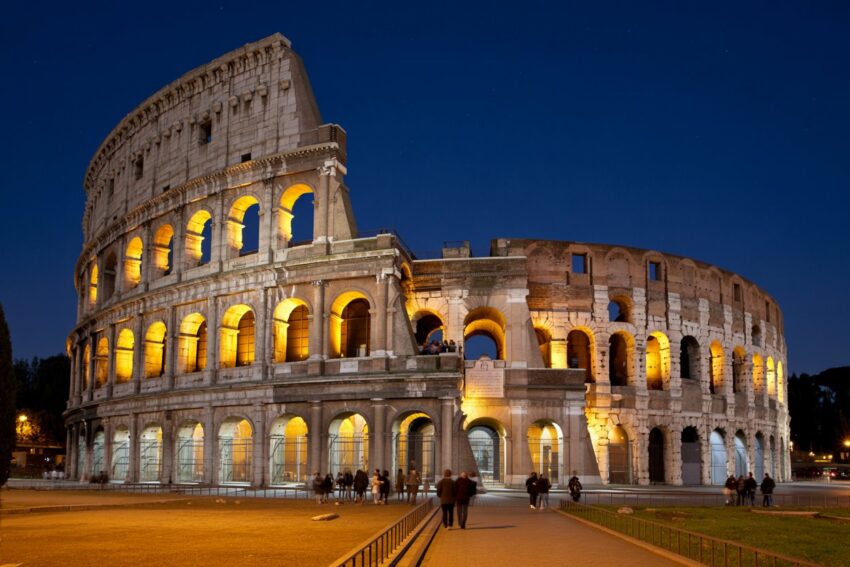
Italy has witnessed a remarkable surge in tourism, marked by a 4.8% increase in tourist arrivals compared to the previous year, underscoring its enduring appeal as a top travel destination. This growth is complemented by a significant rise in tourist receipts, which increased by 5.7%, with 48% generated in the first quarter and 52% in the second quarter. These figures highlight the growing contribution of international tourism to Italy’s economy, showcasing the country’s ability to attract high-spending visitors.
The seasonal distribution of tourist arrivals also reflects Italy’s broad appeal throughout the year. January and February each accounted for 14% of the total arrivals, while March saw an 18% share. April and May were especially strong, contributing 23% and 29%, respectively, which highlights the country’s popularity during the spring season. This distribution demonstrates Italy’s appeal to tourists across different times of the year, with each season offering unique cultural and scenic experiences, from the art and history of cities like Rome and Florence to the coastal beauty of the Amalfi Coast and the vineyards of Tuscany.
The rise in both tourist arrivals and receipts is a direct result of Italy’s investment in its travel infrastructure, including improved connectivity, enhanced visitor services, and a focus on sustainable tourism practices. These efforts, combined with the country’s rich cultural heritage, iconic landmarks, and diverse landscapes, ensure that Italy remains a key player in the global tourism market, with tourism playing an essential role in its economic growth.
Italy Guide
Key Cities: Rome (capital), Milan, Florence, Venice, Naples.
Major Attractions: Colosseum, Vatican City, Leaning Tower of Pisa, Uffizi Gallery, and the canals of Venice.
Food Culture: Italy’s cuisine is world-famous for pasta, pizza, risotto, and gelato. Each region offers unique dishes, such as carbonara in Rome and pizza margherita in Naples.
Language: Italian is the official language, with regional dialects like Sicilian and Neapolitan.
Resilient Tourism: Germany’s Steady Appeal Amidst Changing Trends
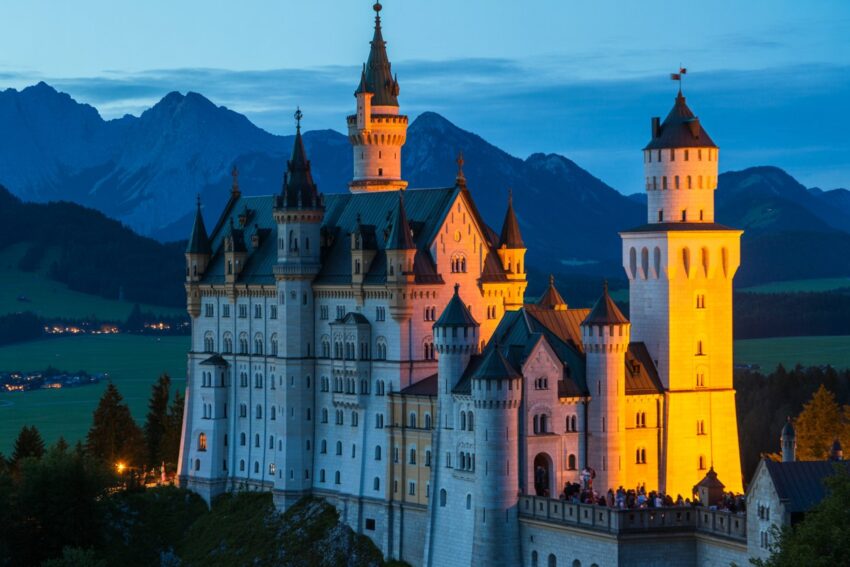
Germany has experienced a slight decline in tourist arrivals, with a Year-to-Date (YTD) decrease of 1.9% compared to the previous year. Despite this, the country has seen a modest growth in tourist receipts, rising by 0.5%. This reflects the higher spending of tourists who continue to visit despite the decline in overall arrivals. In the first and second quarters, tourism receipts contributed 40% and 60%, respectively, indicating a strong performance during peak travel seasons.
The distribution of tourist arrivals across the months further highlights the seasonal nature of Germany’s tourism. In the first half of the year, January through March accounted for 12%, 14%, and 14%, respectively, while April through June saw more significant increases, with April at 18%, May at 21%, and June leading with 22%. These figures underscore the growing popularity of Germany during the spring and early summer months, likely driven by events such as the famous Oktoberfest in Munich and cultural festivals across the country.
Germany’s tourism continues to benefit from its rich cultural heritage, world-class attractions, and well-established travel infrastructure. Iconic landmarks like the Brandenburg Gate, Neuschwanstein Castle, and the historic cities of Berlin and Heidelberg remain significant draws for international visitors. Efforts to enhance transportation connectivity, including high-speed rail networks and efficient airports, have also contributed to the country’s appeal, ensuring that tourism remains an important contributor to Germany’s economy. Despite the slight decline in arrivals, the rising tourist receipts indicate that Germany’s tourism sector is resilient, maintaining its importance in the global tourism landscape.
Germany Guide
Key Cities: Berlin (capital), Munich, Hamburg, Frankfurt, Stuttgart.
Major Attractions: Brandenburg Gate, Neuschwanstein Castle, Black Forest, Cologne Cathedral, and the Romantic Road.
Food Culture: Known for hearty dishes like sausages, pretzels, schnitzels, and beer. Regional specialties include Bavarian Weisswurst and Swabian Spätzle.
Language: German is the official language, with dialects such as Bavarian, Saxon, and Swiss German in various regions.
Austrian Charms: Balancing Heritage and Modern Appeal for Global Travelers
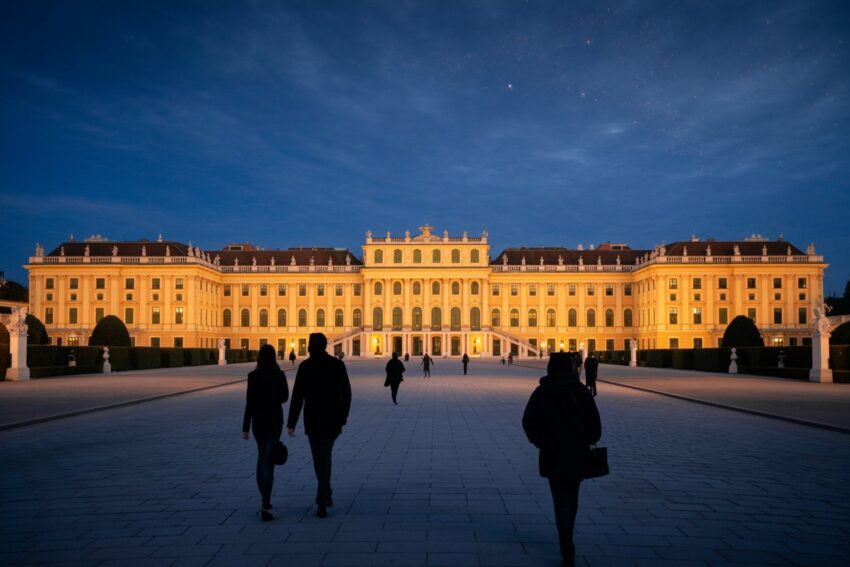
Austria has seen a steady increase in international tourism, with tourist arrivals up by 3.1% Year-to-Date (YTD) compared to the previous year. This positive trend is mirrored by a 1.7% growth in tourism receipts, reflecting the country’s ability to attract higher-spending visitors. The seasonal distribution of tourist arrivals shows a balanced interest throughout the year, with January and February accounting for 19% and 20% of total arrivals, respectively. March experienced a slight dip with 16%, while April and May saw a decrease to 12% and 13%, respectively. However, June rebounded strongly, with 20% of the annual arrivals, signaling Austria’s popularity during the summer months.
Austria’s appeal as a top European destination can be attributed to its rich cultural heritage, stunning landscapes, and well-developed travel infrastructure. Visitors flock to cities like Vienna, with its imperial palaces and vibrant arts scene, and Salzburg, known for its musical history and scenic beauty. In addition, Austria’s extensive transport networks, including modern airports and efficient train services, make it easily accessible for international travelers. The country’s commitment to sustainable tourism and the preservation of its natural and cultural assets further strengthens its position in the global tourism market. As tourism continues to contribute significantly to Austria’s economy, the growth in both tourist arrivals and receipts underscores the sector’s importance and the country’s appeal as a year-round destination.
Austria Guide
Key Cities: Vienna (capital), Salzburg, Innsbruck, Linz, Graz.
Major Attractions: Schönbrunn Palace, the Alps, Vienna State Opera, Hallstatt, and the Habsburg imperial sites.
Food Culture: Known for Wiener Schnitzel, Sachertorte (chocolate cake), and Austrian coffee. The food scene is heavily influenced by German, Hungarian, and Italian cuisines.
Language: German is the official language, with Austrian German being the local variant.
Hungary’s Steady Rise: Quality Tourism Drives Economic Growth
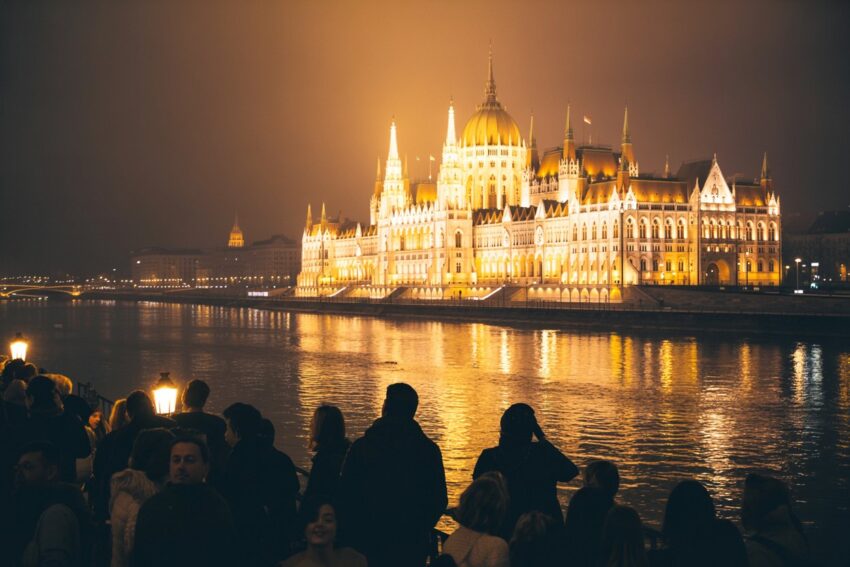
Hungary has experienced stable tourist arrivals, with a Year-to-Date (YTD) change of 0% compared to the previous year, indicating a steady flow of international visitors. However, despite this stability in arrivals, the country has seen a notable 7.1% increase in tourist receipts, reflecting a higher level of spending by visitors. This growth in receipts suggests that while the volume of visitors has remained consistent, the economic impact of tourism has grown, highlighting Hungary’s ability to attract high-value travelers.
The moderate share of tourist arrivals throughout the months signifies a steady interest in Hungary year-round. Hungary’s rich cultural heritage, including landmarks like the historic Buda Castle, the vibrant city of Budapest, and the relaxing thermal baths, continues to draw international tourists. Additionally, Hungary’s strategic location in Central Europe, coupled with well-developed transportation infrastructure, including efficient rail and air networks, has made it an easily accessible destination for travelers. The country’s growing appeal is also supported by government initiatives to promote tourism and enhance visitor experiences. As tourism remains a significant contributor to Hungary’s economy, the rising receipts demonstrate the sector’s ongoing importance and the country’s potential for future growth in the global tourism market.
Hungary Guide
Key Cities: Budapest (capital), Debrecen, Szeged, Pecs, Miskolc.
Major Attractions: Buda Castle, Parliament Building, the Danube River, Lake Balaton, and the Great Market Hall.
Food Culture: Hungary’s cuisine is rich in paprika, with dishes like goulash, langos (fried dough), and chimney cake.
Language: Hungarian is the official language, with few regional dialects.
Romania’s Hidden Gems: A Tourism Growth Story in Eastern Europe
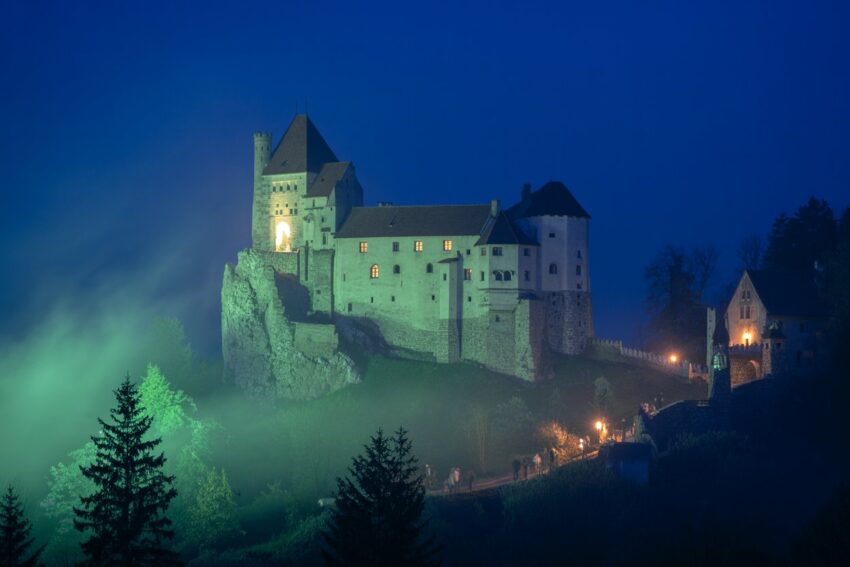
Romania has experienced a strong boost in international tourism, with tourist arrivals showing a remarkable Year-to-Date (YTD) increase of 5.5% compared to the previous year. While specific data on tourism receipts is not available, the growth in arrivals suggests that the country is likely to see a significant rise in tourist spending as well. The distribution of tourist arrivals across the months further highlights Romania’s increasing appeal. January and February each saw 12% of the total arrivals, with March rising to 15%. April through June saw a more notable surge, with April at 17%, May at 22%, and June maintaining a 22% share, indicating the strong spring and early summer demand for the country.
Romania’s attractions, such as the medieval castles of Transylvania, the natural beauty of the Carpathian Mountains, and the vibrant capital city of Bucharest, have made it a growing destination for travelers. In addition, Romania’s efforts to improve its infrastructure, including transportation networks, modern airports, and visitor services, have further contributed to the rise in tourism. These developments, combined with Romania’s rich history, culture, and picturesque landscapes, position the country as an increasingly popular travel destination in Eastern Europe. The rise in tourist arrivals underscores the growing significance of tourism in Romania’s economy, highlighting its potential for continued growth in the global tourism market.
Key Cities: Bucharest (capital), Cluj-Napoca, Timisoara, Brasov, Sibiu.
Major Attractions: Bran Castle (Dracula’s Castle), Peles Castle, the Carpathian Mountains, and the Black Sea coast.
Food Culture: Traditional Romanian cuisine features hearty dishes like sarmale (cabbage rolls), mămăligă (cornmeal porridge), and mici (grilled sausages).
Language: Romanian is the official language, with some Hungarian and Romani spoken in certain areas.
Key Statistics
| Country | YTD Increase in Tourist Arrivals (%) | Increase in Tourist Receipts (%) |
|---|---|---|
| Spain | 4.7 | 7.5 |
| France | 4.8 | 4.8 |
| Italy | 4.8 | 5.7 |
| Germany | -1.9 | 0.5 |
| Austria | 3.1 | 1.7 |
| Hungary | 0 | 7.1 |
| Romania | 5.5 | N/A |
Europe’s Tourism Resurgence: Steady Growth and Seasonal Peaks Across Other Destinations
Portugal: Portugal is projected to see a 2.6% increase in international tourist arrivals in 2025. The distribution of arrivals shows steady growth across the months, with January and February at 9% and 11%, respectively. As the year progresses, Portugal sees a surge, with March at 15%, April at 20%, May at 23%, and June reaching the highest point at 22%, signaling the start of peak tourism season. The growth reflects Portugal’s enduring appeal, with a mix of culture, history, and scenic beauty drawing visitors year-round.
Belgium: Belgium has seen a 3.5% year-to-date growth in international arrivals, indicating a steady recovery. January and February accounted for 14% and 16% of arrivals, with March seeing a rise to 18%. A notable increase occurred in April with 26%, driven by events like the Brussels Spring Festival. May had 25%, suggesting early summer destinations pulled some of the crowd. Belgium’s year-round tourism is supported by its cultural events, festivals, and historic landmarks.
Greece: Greece has seen a modest 0.6% growth in international arrivals, with a steady increase as the year progresses. January and February accounted for 7% and 6%, with March at 8%, and April rising to 14%, driven by Easter holidays. May experienced a significant increase with 25%, and June reached 30%, marking the full onset of tourist season. Greece’s growing popularity in the summer months highlights its cultural significance, festivals, and beautiful beaches.
Denmark: Denmark is set to experience a 6.6% increase in international tourist arrivals in 2025, with strong growth throughout the year. January and February accounted for 13% and 14%, while March saw 18%. The significant rise began in April with 25%, and May reached 30%. Denmark’s appeal lies in its cultural landmarks, natural beauty, and attractions like Tivoli Gardens and the Louisiana Museum of Modern Art, positioning it as a growing European destination.
UK: The UK’s tourism sector has seen a 0.0% change in international arrivals in 2025, indicating stabilization after substantial growth in previous years. Despite a plateau, the UK witnessed a remarkable 21% increase in arrivals in 2023, following a 389% rise in 2022. Tourism receipts rose by 12.9%, demonstrating robust spending despite the stable number of visitors. The UK continues to be a key global tourism hub, driven by its rich history, cultural events, and vibrant cities.
Europe’s Tourism Boom: Steady Growth and Seasonal Surges Fueling Global Appeal
Europe has seen a steady increase in tourist arrivals, with a Year-to-Date (YTD) change of 3.9% compared to the previous year, slightly below the global rise of 5%. This growth indicates the continent’s continued appeal despite global competition. The distribution of tourist arrivals from January to June shows a progressive surge, with January and February each contributing 12%, March at 14%, April at 18%, May at 21%, and June reaching 24%. This upward trend highlights the region’s strong performance during the spring and early summer months. Key factors contributing to this growth include Europe’s diverse cultural and natural attractions, a well-established transportation network, and the recovery of major events and festivals post-pandemic. Additionally, Europe’s rich history, iconic landmarks, and vibrant cities continue to draw travelers, enhancing its position as one of the world’s leading tourist destinations.
Conclusion
In conclusion, Spain’s record-breaking tourism boom in the first half of 2025 firmly establishes it as the leader in Europe’s travel landscape, surpassing Hungary, Italy, France, Germany, Austria, and other European nations. With a significant surge in both tourist arrivals and spending, Spain’s diverse attractions, cultural heritage, and government-driven initiatives have propelled it to the forefront of global tourism. While other countries like Italy and France continue to perform well, Spain’s rapid growth highlights its ability to captivate travelers from around the world, securing its position as a top destination for years to come.
