
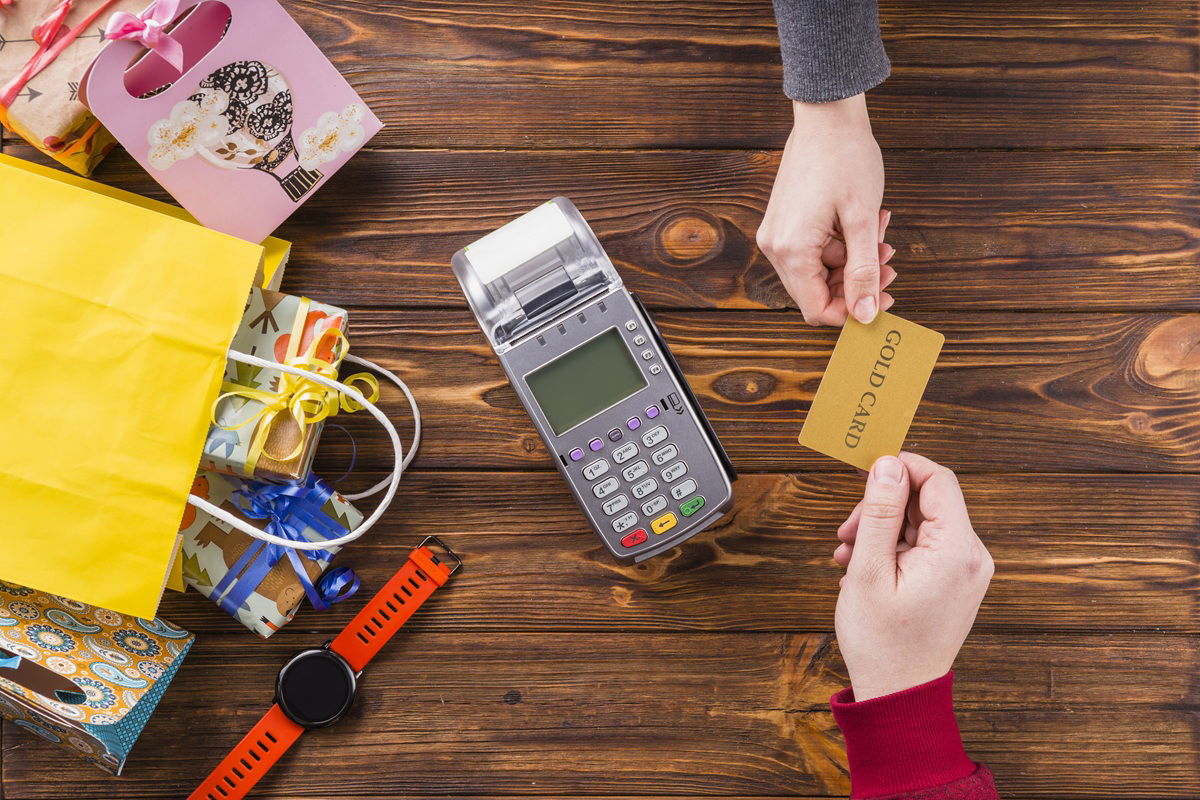
Spain is preparing for a future where card payments must work even when the internet goes down.
Credit : Freepik
Most people in Spain barely carry cash anymore. A card, a phone, maybe a smartwatch – that’s all it takes to pay for groceries, fuel or a coffee. It’s fast, convenient and almost invisible. But there’s a question that few of us really stop to think about.
What happens if the internet suddenly stops working?
It’s a scenario that used to sound far-fetched, yet it no longer feels so unrealistic. Blackout, cyberattacks and technical failures have become part of everyday risk planning across Europe. And Spain, quietly but firmly, is preparing for a future where card payments might still work even without a live internet connection.
The idea, already being discussed at European level, has now landed on Spain’s financial agenda as a long-term objective.
A digital habit with a hidden weakness
Cash still plays a central role in Spain’s daily life and remains one of the country’s preferred ways to pay. But payment habits are clearly shifting. Online transactions and card payments are now taking up a growing share of everyday spending, particularly in larger cities, where tapping a card or a phone has become second nature. That gradual move away from cash has brought speed and convenience — but it has also made the system far more dependent on technology than many people realise.
If the network fails, the system grinds to a halt. Supermarkets, petrol stations, pharmacies and small businesses suddenly find themselves unable to charge customers. And for shoppers who don’t have cash on them, there’s little they can do.
This risk became very real during the major power outage earlier this year. Within minutes, everyday transactions were disrupted. It didn’t take long for experts to raise a worrying question: is a fully digital economy strong enough to cope with emergencies?
Speaking on Spanish radio station COPE, journalist Alberto Herrera put it simply. A payment system that depends entirely on connectivity is efficient — but fragile. And as cash disappears from circulation, that fragility becomes more visible.
Learning from a place with no signal: aeroplanes
To explain how offline payments could work, Herrera pointed to a familiar example: payments made on aeroplanes.
When passengers buy food or duty-free items during a flight, the card terminal cannot connect to the bank in real time. Instead, the transaction is saved in the device’s memory and sent for processing later, once the plane lands and reconnects.
The system works – but there’s a problem. The airline takes the risk. If the card doesn’t have enough funds, the payment may never be completed.
That kind of trust-based model is fine at 30,000 feet. It’s not realistic for a country of 48 million people.
Spain’s idea: offline payments, but with safeguards
The solution Spain is now studying is far more controlled.
According to the National Payments Committee, the key would be to store a limited spending allowance directly inside the card’s chip. This allowance would be updated whenever the card connects normally to the banking system.
If the internet goes down, the payment terminal wouldn’t be guessing. It would read the information stored on the card itself and instantly confirm whether the purchase is allowed. No external servers, no waiting, no blind trust.
In practical terms, it means a shop could still accept card payments during a network outage, and customers wouldn’t be left stranded at the checkout.
It’s not about replacing existing systems, but about giving them a reliable backup.
The big questions still hanging over the plan
While the idea sounds promising, it’s far from ready.
Who takes responsibility if fraud occurs? How can the spending limit be protected from manipulation? And how much data should really be stored on a card?
These are not minor details. Banks, regulators and payment providers all agree that security and privacy will be critical if offline payments are ever rolled out on a large scale.
There’s also a broader debate about whether such a system should be optional or mandatory. Should offline payments be a safety net, or a regulated requirement across Europe?
For now, Spain is looking towards 2029 as a possible horizon – a sign of how complex the challenge really is.
And what about cash?
As the discussion continues, one uncomfortable truth keeps resurfacing: cash still works when everything else fails.
Unlike cards or phones, it doesn’t rely on electricity, networks or software updates. In moments of crisis, it remains the only payment method that’s completely independent.
Herrera described it as a reminder rather than a solution. Digital payments are here to stay, but eliminating cash entirely may not be as wise as it once seemed.
A small change with big consequences
If Spain succeeds, offline card payments could quietly reshape daily life. Shopping wouldn’t stop during outages. Businesses would be less exposed to technical failures. And the economy would be more resilient when things go wrong.
But it would also demand new rules, tighter controls and a careful balance between convenience and trust.
Spain isn’t preparing for the worst – it’s adapting to reality. As digital payments dominate everyday life, resilience matters just as much as speed.
The project is still taking shape, but one thing is clear: the future of paying by card may no longer depend on staying online.
Stay tuned with Euro Weekly News for more news from Spain