
Published on
January 23, 2026

In 2025, Spain witnessed an extraordinary surge in tourism, reaching a historic milestone of 97 million international visitors, setting a new benchmark for global tourism. This influx of travelers marked a 3.5% increase compared to 2024, and the impact was profound, driving a staggering €135 billion in spending. This growth wasn’t just in the number of visitors but also in the way they traveled and spent their money, with Spain continuing to solidify its position as one of the world’s top travel destinations.
Spain’s remarkable tourism growth is not just about numbers. The visitor spending increased by 6.8%, outpacing the rise in arrivals, highlighting a shift in traveler behavior. Europe remained the top source of visitors, with the UK, Germany, and France contributing the largest share. However, long-haul travelers, especially from the United States and Latin America, also showed significant growth, extending their stays and contributing more to the local economy.
Catalysts of Growth: How Spain Attracted Record Visitors in 2025
Spain’s tourism boom can be attributed to several key factors. The first and most significant was the increasing demand for tourism across both peak and off-peak seasons. Government figures showed that not only did summer months experience heavy footfall, but the shoulder and off-peak seasons also saw a rise in activity, which was a notable departure from pre-pandemic trends. This reflects a deeper shift in how people are choosing their travel times, with more seeking to avoid crowded hotspots during peak periods.
The large increase in visitor spending suggests that travelers were not only arriving in larger numbers but were also investing more in local experiences, hotels, restaurants, and attractions. This trend underscores a strong and growing appetite for quality travel experiences, with an evident preference for staying longer and spending more during trips.
New Travel Patterns and the Economic Impact of Spain’s Tourism Surge
Tourism is crucial to Spain’s economy, with the sector representing approximately 13% of the nation’s GDP in 2025. The direct and indirect contributions of tourism across various sectors, such as hospitality, transport, retail, and other related services, have been pivotal in supporting the economy. Spain’s economy is projected to grow by nearly 3% in 2025, significantly outperforming the Eurozone average, and much of this growth can be attributed to the tourism industry.
The positive economic ripple effect of tourism is evident across Spanish cities, from Barcelona to Andalusia and beyond. Regions like the Canary Islands and the Balearic Islands also continue to benefit, though they are increasingly feeling the pressure of mass tourism. With crowds growing in some of the most popular tourist destinations, Spain has also seen local protests in certain hotspots, where residents have raised concerns about housing affordability and environmental impacts. These concerns have prompted the Spanish government to take action on short-term rental regulations, aiming to reduce the strain on local housing and better manage the pressure from visitors.
Advertisement
Advertisement
A Shift Toward Sustainable Tourism: The Challenges of Overcrowding and Housing Strain
While the tourism industry flourishes, the demand for short-term rentals has led to significant shifts in housing availability in some of Spain’s most sought-after locations. As a result, Spanish authorities have introduced stricter regulations to control the number of tourist apartments available for short-term rent. The aim is to protect the long-term housing market in areas suffering from overcrowding and a shortage of available homes for locals.
This shift in policy reflects a broader trend in tourism where sustainability is becoming a focal point. Local governments are striving to balance tourism demand with environmental and social impacts, ensuring that the influx of visitors doesn’t outpace the ability of local communities and ecosystems to handle it.
Spain’s Rural Tourism Surge: The Shift from Coastal to Inland Travel
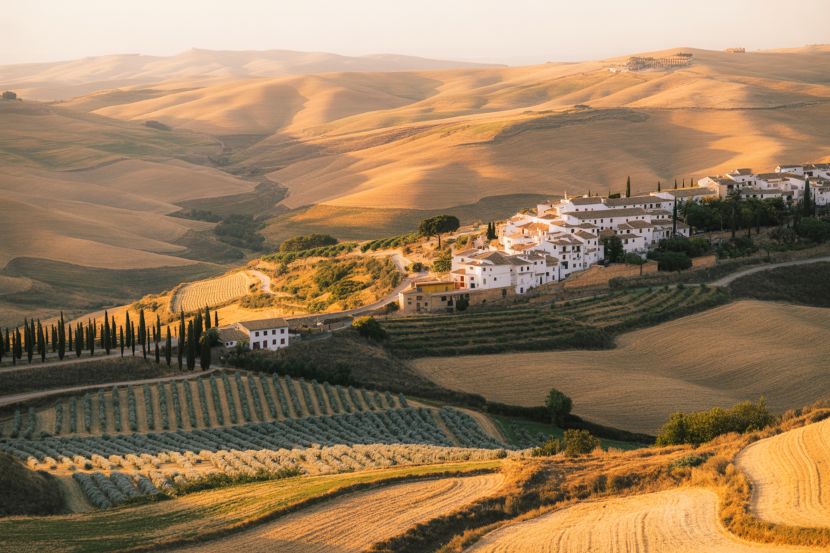
One of the most interesting trends in Spain’s tourism landscape is the dramatic rise in interest for rural and inland areas. Between 2019 and 2025, these regions recorded a growth rate of about 60% in tourism. This shift has been partially driven by the desire to escape the overcrowded beaches and bustling urban areas and explore more tranquil, rural destinations. Government figures highlight that while coastal and urban destinations grew by 45%, rural areas experienced an even more substantial rise in visitor numbers.
For tourists looking for a more authentic experience of Spain, exploring its interior and discovering the traditional villages, landscapes, and cultures has become an increasingly popular choice. This trend not only helps alleviate some of the pressure from the major tourist cities but also promotes sustainable tourism, benefiting local economies and reducing the environmental footprint of mass tourism.
New Entry and Exit Regulations: The Impact of EU’s Border Control Changes
In 2025, Spain implemented new border control regulations as part of the EU’s Entry-Exit System (EES). This system digitally tracks the entry and exit of non-EU nationals traveling for short stays within the Schengen Area. These changes are expected to streamline travel processes, improve security, and provide more accurate data on visitor flows.
The ETIAS system, set to roll out in late 2026, will further strengthen control measures by requiring visa-exempt travelers like those from the United States and the UK to apply for travel authorization online before entering the Schengen Area.
These new regulations are part of a broader effort by Spain to manage the volume of visitors while ensuring that the flow of international travelers remains smooth and efficient.
Looking Ahead: Managing Spain’s Sustainable Tourism Future
As Spain looks toward 2026, the focus will be on managing tourism volume and improving the distribution of visitors across both major cities and less explored areas. The goal is not just to increase the number of tourists but to create a more sustainable, balanced, and environmentally friendly tourism sector.
For travelers planning to visit Spain in the future, now is the perfect time to explore beyond the typical destinations and embrace rural and interior regions that are enjoying a tourism boom. With a growing emphasis on sustainability and local experiences, Spain’s evolving tourism landscape promises to offer unique adventures for every type of traveler.
