
Published on
July 15, 2025
Spain’s tourism sector is facing one of its most turbulent periods in recent history as anti-visitor sentiment intensifies across the country, sparking mass protests and growing unrest. In response, Majorca’s hotel industry is taking swift and aggressive action to defend its vital role in the local economy, launching a bold campaign to restore traveler confidence, protect the island’s reputation, and push back against what they see as a dangerous and escalating movement threatening both livelihoods and the future of Spanish tourism.
Hotel operators are working to create a more inviting experience for travelers as worries grow that visitors are opting for other destinations instead.
Majorca Hoteliers Launch Pro-Tourism Initiative Amid Rising Anti-Visitor Sentiment
Hoteliers in Majorca have initiated a new campaign to defend the island’s tourism industry in response to growing global backlash against mass tourism. The move comes as concerns intensify over escalating anti-tourism rhetoric and acts of public protest in popular holiday destinations.
The campaign seeks to promote a more balanced view of tourism’s role in Majorca, emphasizing the sector’s economic importance and its contribution to local livelihoods. It also aims to reassure both international and domestic visitors that the island remains a welcoming and safe place to travel.
The initiative follows recent acts of vandalism directed at tourism institutions, including an incident where the headquarters of the Regional Tourism Ministry in Palma was defaced with graffiti. Authorities have confirmed that the damage has been reported to the National Police and was promptly cleaned up.
Local business groups and tourism associations have expressed concerns that the rise in anti-tourism actions could harm Majorca’s image abroad, potentially discouraging future travel and impacting the broader Balearic economy, which is heavily reliant on seasonal tourism. In response, the newly launched campaign will focus on spreading positive messages about responsible travel, cultural appreciation, and sustainable tourism development.
By engaging residents, businesses, and visitors, Majorca’s hospitality sector hopes to shift the narrative away from confrontation and toward collaboration, encouraging respectful travel experiences that benefit both the local community and the island’s long-term appeal.
Tourism Under Pressure: Protests in Spain and Latin America Spark Concern Over Hostility Toward Visitors
Authorities have launched an official inquiry to determine whether recent actions linked to anti-tourism demonstrations could be classified as hate crimes. The investigation follows escalating tensions in popular tourist destinations, with increasing signs that some travelers are opting for alternative locations where they feel more welcomed.
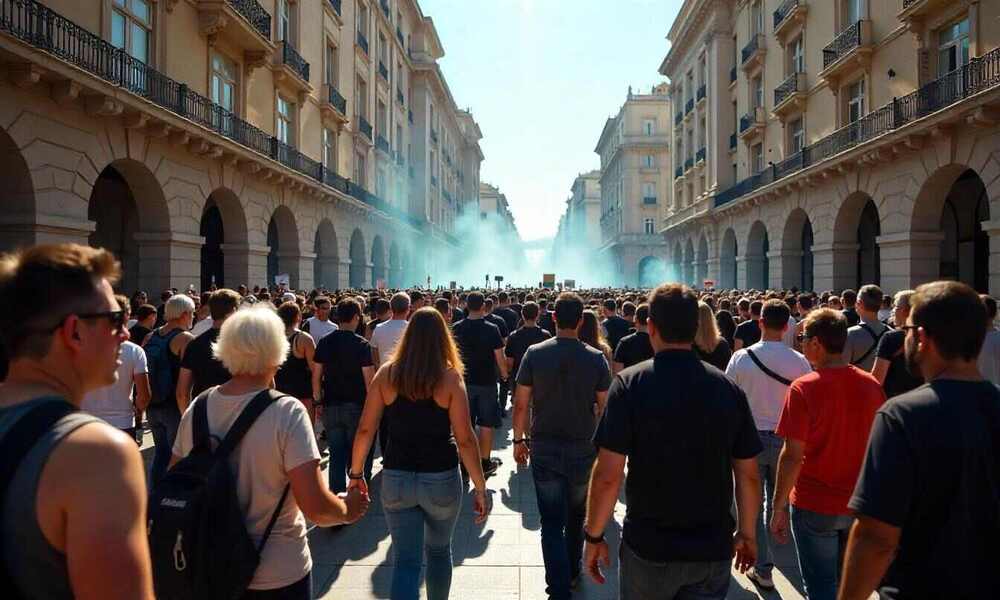
The growing unease was especially evident in a massive demonstration recently held in Palma, where an estimated 10,000 people took to the streets in what has been described as the largest anti-tourism protest ever recorded in Spain. The event garnered widespread media attention and underscored the frustration felt by many local residents over the perceived negative impacts of mass tourism.
During the protest, demonstrators gathered around popular tourist areas such as the Plaza de las Tortugas, shouting anti-tourism slogans and directly confronting visitors in town. Authorities were compelled to deploy National Police units to create a security barrier in an effort to safeguard tourists and prevent any violent confrontations. Additional officers were also positioned near real estate offices, some of which had been targeted in previous acts of vandalism.
While the protests sent a strong message, representatives of the hospitality sector attempted to soften the narrative, suggesting that actual participation was lower than reported and that public sentiment remains supportive of tourism. Still, the overall tone of the demonstrations, coupled with the global media spotlight, revealed deep-rooted concerns about the tourism industry’s role in shaping the island’s future.
This is not the first time tourism has become a flashpoint in the region. In earlier years, protests have flared up in response to tourism-driven changes in the social and economic fabric of popular areas. Campaigns to promote tourism have previously been launched by local industry leaders, particularly during critical periods such as the global pandemic, to help revive visitor numbers.
The current wave of discontent, however, is not confined to Spain alone. Across Europe and now reaching into Latin America, similar movements are gaining traction. In Mexico, tensions boiled over during a protest in the capital where demonstrators targeted two of Mexico City’s most popular neighborhoods among tourists and expatriates—Condesa and Roma.
What started as a peaceful march soon descended into chaos. A splinter group of masked protestors began vandalizing storefronts, spraying anti-foreigner graffiti, and hurling verbal abuse at bystanders. Messages such as “Get out of Mexico” and “Stop stealing our home” were scrawled on buildings, echoing sentiments of resentment toward the influx of international visitors and foreign residents.
The demonstration intensified as the group made its way toward the U.S. Embassy, shouting slogans while some protestors hurled objects and caused property damage. Witnesses reported looting incidents and acts of aggression against high-end businesses perceived to cater primarily to tourists and expats. The scene stood in stark contrast to the protest’s originally peaceful intentions, reflecting growing frustrations about the effects of gentrification and displacement blamed on tourism.
Observers note that this rising backlash against mass tourism reflects broader global concerns around overdevelopment, housing affordability, and cultural preservation. While many regions rely heavily on tourism for economic stability and employment, the imbalance between visitor influx and community well-being has become a flashpoint for civil unrest.
In response, various tourism boards and hospitality leaders across affected regions have renewed efforts to promote sustainable travel, responsible visitor behavior, and greater integration between travelers and local communities. The goal is to protect both the integrity of the destinations and the long-term viability of their tourism economies.
As the debate continues to unfold across continents, a key question remains: how can global tourism evolve to serve the needs of local populations while still offering enriching experiences to international visitors?
