
Spanish holiday hotspots have warned tourists over mysterious spider bites that have caused people to almost lose their legs.
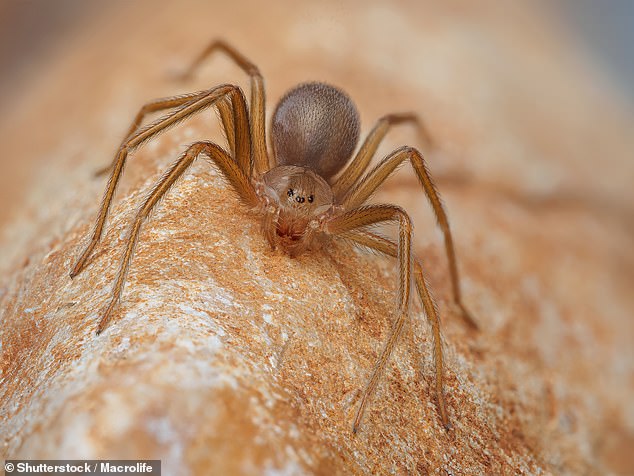
Multiple people across various destinations in Spain have been bitten by a Mediterranean violin spider.
One 60-year-old woman in s’Arenal d’en Castell, Menorca experienced a nip to her arm in September.
Her arm was painful and swollen and she sought medical attention, telling professionals she suspected it could be a Mediterranean violin spider, Majorca Daily Bulletin reports.
The venomous spider is common in the Balearics, according to biologist Guillem Pons who recommends people take action quickly if they suspect they have been bitten and seek medical help.
He told the publication: ‘These bites can happen anywhere. In Ibiza, there was a case in a car, while a Catalan tourist walking in flip-flops in Cabrera was stung on the side of his foot.
‘It is a very common species that can be found anywhere, especially in cavities or under rocks; I even have a documented case that occurred in a bathroom at the University of the Balearics.’
Back in 2024, another woman, 32, was bitten and suffered with tissue necrosis from the spider’s venom.

Multiple people across various destinations in Spain have been bitten by a Mediterranean violin spider

One 60-year-old woman in s’Arenal d’en Castell, Menorca experienced a nip to her arm in September
She almost lost her leg but had life-saving surgery just in time.
Meanwhile, a 19-year-old Welsh tourist was also previously bitten on his hand and he lost two fingers, according to Ibiza Living.
Often called the Mediterranean recluse, the insect is around one to two centimetres in size and has six eyes.
They are not usually aggressive and only bite if they feel under threat, for example if they are crushed by accident.
The spider’s venom contains sphingomyelinase D which can lead to tissue necrosis.
Swelling, redness, pain, a purple or black wound, fever and chills are some of the common symptoms people experience after a bite.
They usually appear between two and eight hours after the incident.
Back in 2024, British tourist Nigel Hunt needed emergency surgery after his flesh started rotting – following a tiny spider bite.

Her arm was painful and swollen and she sought medical attention, telling professionals she suspected it could be a Mediterranean violin spider
Nigel was bitten on his stomach – doctors believe by a false widow or brown recluse spider – while lying in bed at home, just hours before flying to Egypt for a holiday.
He felt fine at first but became violently sick a couple of days into his trip. His wife, Sandra said he started to feel worse as the bite grew larger.
Nigel, from the Isles of Scilly, then went to the hospital where blood and ultrasound scans were taken.
What he thought would be a routine visit took a turn for the worse when doctors revealed he was suffering from necrotising fasciitis – a flesh-eating bug.