

Published on
December 6, 2025

Switzerland joins France, Spain, Italy, Germany, Greece, and others in facing potential border delays as the ETIAS system is delayed until the last quarter of 2026, straining security and immigration procedures. This delay has significant implications for countries that were relying on ETIAS to streamline border control processes and enhance security measures. With the postponement, these countries now face extended waiting times at airports and borders, increased pressure on local immigration systems, and potential security gaps as they continue to rely on traditional methods of control. Popular tourist destinations and key transit hubs across Europe, including Switzerland, will experience heightened strain on their resources, ultimately affecting the flow of travelers and security protocols.
France: Border Bottleneck and Security Strain

France, a primary entry point for non-EU travelers through airports like Charles de Gaulle (CDG) and Nice, faces a significant delay in the ETIAS system. The delay means the country will have to rely entirely on the Entry/Exit System (EES) for biometric data collection, creating potential bottlenecks at the borders, longer queues, and a heavier workload for border personnel. This lack of pre-screening increases the risk of high-risk travelers entering the country, straining security resources. Popular tourist spots such as the Eiffel Tower and the French Riviera might experience delays due to these added security checks.
| Issue | Impact on France |
|---|---|
| ETIAS Delay | Rely on EES for biometric checks |
| Border Bottleneck | Longer queues, slower entry process |
| Security Risks | Increased risk of unvetted high-risk travelers |
| Tourism Impact | Potential delays at major tourist sites |
Spain: Overcrowding and Strained Local Measures

Spain, known for tourist hotspots like Barcelona, Madrid, and the Canary Islands, was preparing for ETIAS to help manage crowds and enhance security. Now, with the delay, Spain faces pressure on local measures like tourist taxes and rental restrictions to deal with overtourism. Without ETIAS’s pre-authorization, Spain’s airports and cities have to manage unvetted visitors, exacerbating existing overcrowding issues. The delay also affects Spain’s ability to implement full security checks, forcing authorities to rely more on local regulations and manual immigration controls.
| Issue | Impact on Spain |
|---|---|
| ETIAS Delay | No pre-screening for travelers |
| Overcrowding | Strain on local measures like tourist taxes and rentals |
| Security Gaps | Manual immigration controls instead of full screening |
| Tourism Management | Increased challenges in managing tourist volumes |
Italy: Increased Delays and Border Strain

Italy, famous for landmarks like the Colosseum, Vatican, and Venice, was relying on ETIAS to streamline security screening. Due to the delay, Italy now depends on the EES system for biometric checks at airports such as Rome Fiumicino and Milan Malpensa, leading to longer security delays. The lack of ETIAS forces Italy to allocate more resources to border personnel and infrastructure, further affecting travel experiences and processing times.
| Issue | Impact on Italy |
|---|---|
| ETIAS Delay | Longer wait times due to reliance on EES |
| Border Strain | Increased border personnel and infrastructure needs |
| Tourism Experience | Impacted by slower security processing |
| Resource Allocation | More resources required to manage delays |
Germany: Transit Troubles and Longer Waits
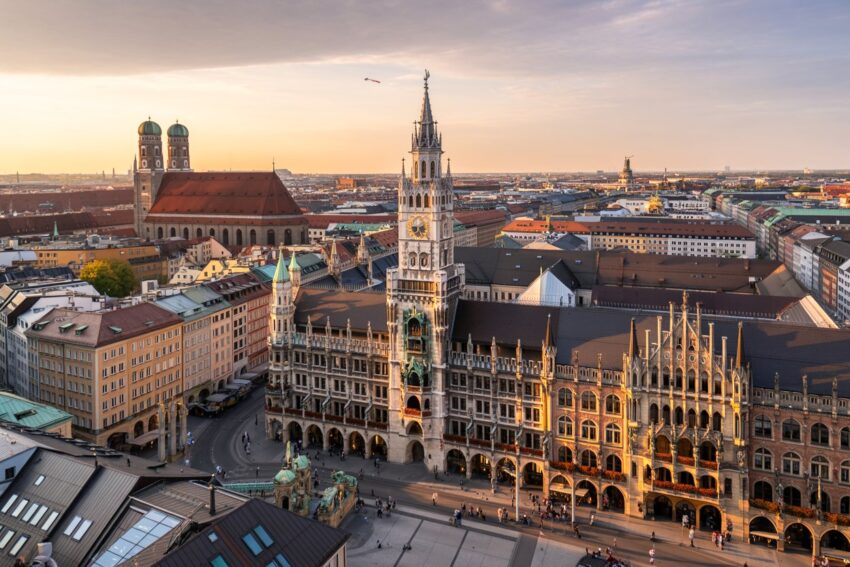
Germany, as a transit hub for Schengen Area travelers, faces extended waiting times at borders due to the ETIAS delay. While less reliant on air travel compared to other countries, Germany still experiences pressure at internal borders. Without early ETIAS vetting, travelers face longer waiting times, contributing to a backlog in transit. The country will have to rely more heavily on EES for border tracking, which may not be as effective in managing the flow of travelers.
| Issue | Impact on Germany |
|---|---|
| ETIAS Delay | Extended waiting periods for security checks |
| Internal Border Strain | More pressure on internal Schengen borders |
| Transit Bottlenecks | Increased backlogs and waiting times |
| EES Reliance | Heavy reliance on EES for tracking and processing |
Greece: Visa-Free Entry, but Security Risks

Greece, a major tourist destination, especially for visitors from the US, UK, and Australia, benefits from continued visa-free entry due to the ETIAS delay. However, this ease of entry means the country lacks the added security checks ETIAS would provide. The absence of pre-screening could lead to increased tourism demand and security risks, putting pressure on Greece’s border control resources, especially in tourist-heavy regions like Santorini and Mykonos.
| Issue | Impact on Greece |
|---|---|
| ETIAS Delay | Continued ease of visa-free entry |
| Security Risks | Lack of pre-screening increases security vulnerabilities |
| Tourism Surge | Increased tourist demand in popular areas |
| Border Pressure | Strain on existing border control systems |
Austria: A Smaller but Significant Impact

Austria, though not a major entry point, plays a key role as a transit country for travelers moving between Schengen nations. The ETIAS delay means Austria will rely solely on EES for biometric data collection, placing extra strain on border personnel who must manually process travelers. While the country’s fewer external borders reduce its exposure to the immediate effects, there is still a risk of delayed screenings.
| Issue | Impact on Austria |
|---|---|
| ETIAS Delay | Increased reliance on EES for biometric data |
| Manual Processing | Extra strain on border personnel |
| Transit Role | Increased risk of delayed screenings for travelers |
| Border Pressure | Workload increased for Austrian border authorities |
The Netherlands: Managing Crowds and Tourism Flow
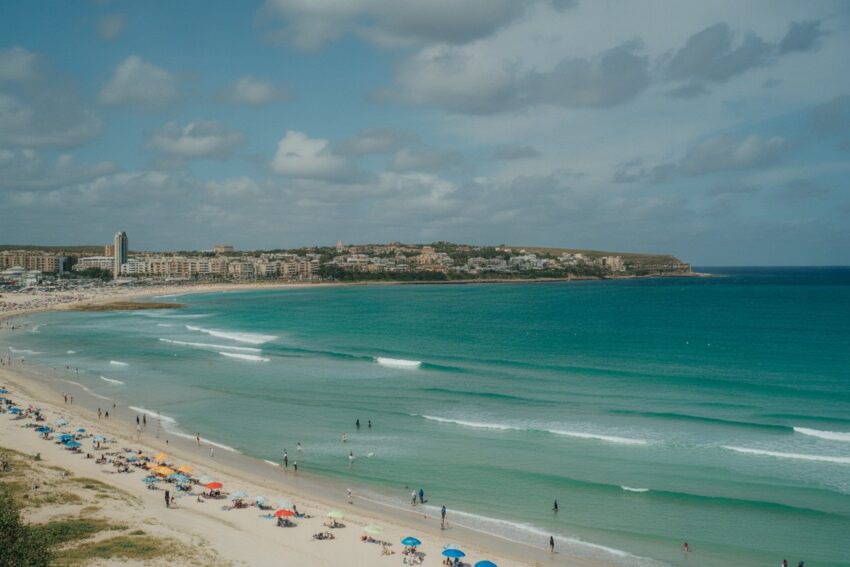
The Netherlands, especially Amsterdam, faces significant challenges due to the ETIAS delay. The system was expected to assist in managing tourist crowds and controlling overtourism, but with its delay, the country now relies on traditional methods like limiting short-term rentals and controlling hotel growth. The delay also puts pressure on immigration procedures as the country must manage high visitor numbers without the early security screenings that ETIAS would have provided.
| Issue | Impact on the Netherlands |
|---|---|
| ETIAS Delay | Strain on crowd management and tourism flow |
| Overtourism | Increased pressure on popular destinations like Amsterdam |
| Security Gaps | Delay in border control procedures |
| Local Measures | Reliance on local regulations for tourism management |
Switzerland: Coordination Challenges and Border Delays

Switzerland, not an EU member but part of the Schengen Area, faces challenges with the ETIAS delay, particularly in coordinating border control systems with the EU. Without ETIAS, the country continues to rely on the EES system for tracking non-EU visitors, which creates potential delays in screening and coordination during peak travel periods. The delay complicates the integration of Swiss border systems with those of the EU, leading to possible security concerns.
| Issue | Impact on Switzerland |
|---|---|
| ETIAS Delay | Continued reliance on EES for tracking visitors |
| Border Coordination | Complexity in coordinating with EU border systems |
| Screening Delays | Potential delays during busy travel periods |
| Security Concerns | Possible security gaps during high-volume tourism |
The ETIAS Delay: Strain on Borders and Resources
Across all these countries, the ETIAS delay creates a growing strain on border control systems and local infrastructure. While some countries might benefit from easier visa-free entry, the long-term consequences include increased security risks and challenges in managing large volumes of visitors. The reliance on traditional methods of border control and crowd management may ultimately lead to longer delays and a heavier workload for authorities, impacting both security and tourism experiences.
Switzerland joins France, Spain, Italy, Germany, Greece, and others in facing potential border delays as the ETIAS system is delayed until the last quarter of 2026, straining security and immigration procedures.
Conclusion
Switzerland, along with France, Spain, Italy, Germany, Greece, and others, will face significant border delays as the ETIAS system is delayed until the last quarter of 2026. This delay will continue to strain security and immigration procedures, causing longer wait times and added pressure on local measures. As these countries rely on alternative methods for border control, the challenges of managing tourism and security will persist, making the implementation of ETIAS even more crucial for smoother and safer entry into Europe in the future.
