
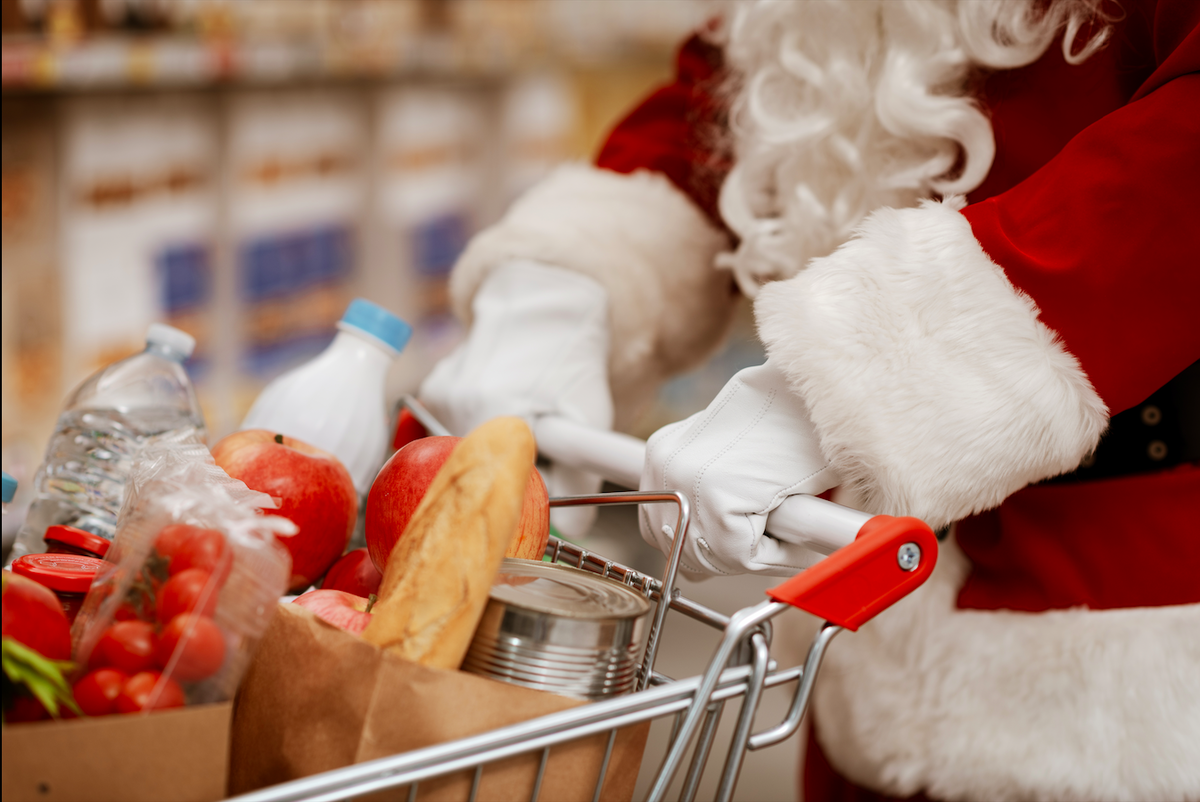
Rising energy costs and transport expenses have particularly affected fresh and perishable goods. Photo credit: Stock-Asso/Shutterstock
Families across Spain are bracing for one of the most expensive holiday seasons in recent memory. According to the Organización de Consumidores y Usuarios (OCU), ten of sixteen key seasonal food items have reached record prices, contributing to a significant rise in the overall cost of Christmas shopping.
OCU spokesperson Enrique García told La Información Económica that the increase is unsurprising given recent trends in food prices and warned that the rising cost of fresh products is affecting diet quality, which “has declined.” The consumer group is calling on the government to reduce VAT on essential and healthy foods, including meat and fish, to ease the burden on households.
Which Items Are Driving Costs Up?
The OCU study monitored municipal markets, supermarkets, and hypermarkets across Albacete, Bilbao, Madrid, Málaga, Sevilla, and Valencia. Meats such as suckling lamb, beef round, pularda (young fattened hen), and turkey have seen significant increases. Fish and seafood—including sea bass, hake, oysters, and clams—have also surged in price. Seasonal fruits and vegetables, like pineapple, pomegranate, and red cabbage, along with Iberian ham sold by the slice, complete the festive basket.
Among the ten items with rising prices, beef round and oysters have jumped 19%, while sea bass and Iberian ham increased 10%. Other notable rises include suckling lamb (8%), pomegranate (9%), pineapple (8%), turkey (7%), hake (6%), and clams (6%). A few items, such as red cabbage (-1%), sea bream (-3%), and pularda (-16%), recorded declines.
Why Prices Are Climbing
Inflation, logistics, and seasonal demand
Several factors are behind the increases. Rising energy costs and transport expenses have particularly affected fresh and perishable goods. Global supply-chain disruptions, combined with strong seasonal demand, are also pushing prices higher, creating pressure for both retailers and consumers.
Impact on Households
Diet, budgeting, and festive planning
For many households, these price rises are more than a seasonal nuisance. Families are being forced to adjust budgets, reconsider festive menus, and sometimes compromise on diet quality. Lower-income households and pensioners are especially vulnerable, as they may be unable to absorb the increases without affecting nutrition or other essentials.
Recommendations for Spanish Residents
Practical guidance for expats and residents living in Spain
Expats and foreign residents in Spain can take several measures to manage the impact of rising festive food prices. Planning purchases ahead of time and creating detailed shopping lists can help avoid paying inflated last-minute prices. Considering more affordable alternatives, such as poultry instead of costly cuts of beef or lamb, can maintain festive meals without overspending. Seasonal fruits and vegetables, which are usually fresher and cheaper, should be prioritised over imported or out-of-season produce. Residents can also benefit from local promotions, bulk deals, and municipal markets where prices may be lower than in supermarkets. Preserving and freezing perishable items, including seafood, can prevent waste and protect against further price hikes in the weeks before Christmas. Finally, staying informed about government measures, including potential VAT reductions on essential foods, will allow residents to plan more effectively and stretch their budgets while enjoying a balanced holiday diet.
Key Points
- Ten of sixteen key festive foods have hit record prices this year.
- Beef round and oysters rose the most (19%), followed by sea bass and Iberian ham (10%).
- Suckling lamb, pineapple, pomegranate, turkey, hake, and clams also increased.
- A few items, including pularda, red cabbage, and sea bream, saw price declines.
- Rising costs are driven by inflation, energy prices, and seasonal demand.
- Households may face higher grocery bills and challenges maintaining diet quality.
- OCU recommends careful planning, substitutions, freezing surplus, and monitoring potential VAT reductions.
Looking Ahead
What this year signals for Spanish consumers
OCU plans two further monitoring rounds before Christmas, tracking price changes after the Constitution Day holiday and in the final days before Nochebuena. García warns that these months may mark “the most expensive Christmas in history,” highlighting the ongoing challenges of inflation, energy costs, and supply pressures.
For households, the message is clear: careful planning, strategic substitutions, and consumer awareness are key to managing rising food costs. By taking proactive measures, residents can protect both budgets and diet quality during a festive season marked by historically high prices.