
Marrakech – Spain’s irregular migration flows fell sharply in 2025, with arrivals dropping by 42.6% to 36,775 people, down from 64,019 the previous year, according to figures released Friday by the Spanish Interior Ministry.
Nowhere was the decline more pronounced than in the Canary Islands. Once one of the primary gateways for irregular crossings, the archipelago saw arrivals slashed by 62% year-on-year, plunging by nearly two-thirds from 46,850 to 17,800 migrants.
The downturn followed a marked improvement in coordination between Madrid and Rabat, accelerated after Spain’s 2022 backing of Morocco’s autonomy plan for Western Sahara, and translated into tighter cooperation on migration management and border security.
Since the diplomatic thaw, Morocco has stepped up maritime surveillance and coastal patrols. The shift is widely seen as decisive in curbing migrant flows along the Atlantic route, long regarded as Europe’s deadliest migration corridor.
However, the crackdown on Moroccan coasts redirected some migration flows toward Algeria. The Balearic Islands experienced a 24.5% increase in arrivals, rising from approximately 5,900 to 7,300 people, most originating from Algeria.
The reduction also stems from circular migration agreements signed in September 2024 between Spain and Mauritania, Senegal, and Gambia. These bilateral accords aimed at managing migration flows more effectively while providing legal pathways for temporary workers.
Yet the drop in arrivals did little to ease the human toll. The NGO Caminando Fronteras recorded 3,090 deaths in 2025 among those attempting to reach Spanish shores, including 192 women and 437 minors, across 303 documented tragedies – a stark reminder that fewer crossings have not meant safer ones.
The Canary route remained the deadliest passage, claiming 1,906 lives despite the sharp decline in crossings.
Helena Maleno, research coordinator at Caminando Fronteras, said the lower death toll reflects a statistical drop in attempts rather than any meaningful improvement in safety conditions along the route. “The boats sinking on the Algerian route are smaller than the cayucos heading to the Canary Islands,” she explained.
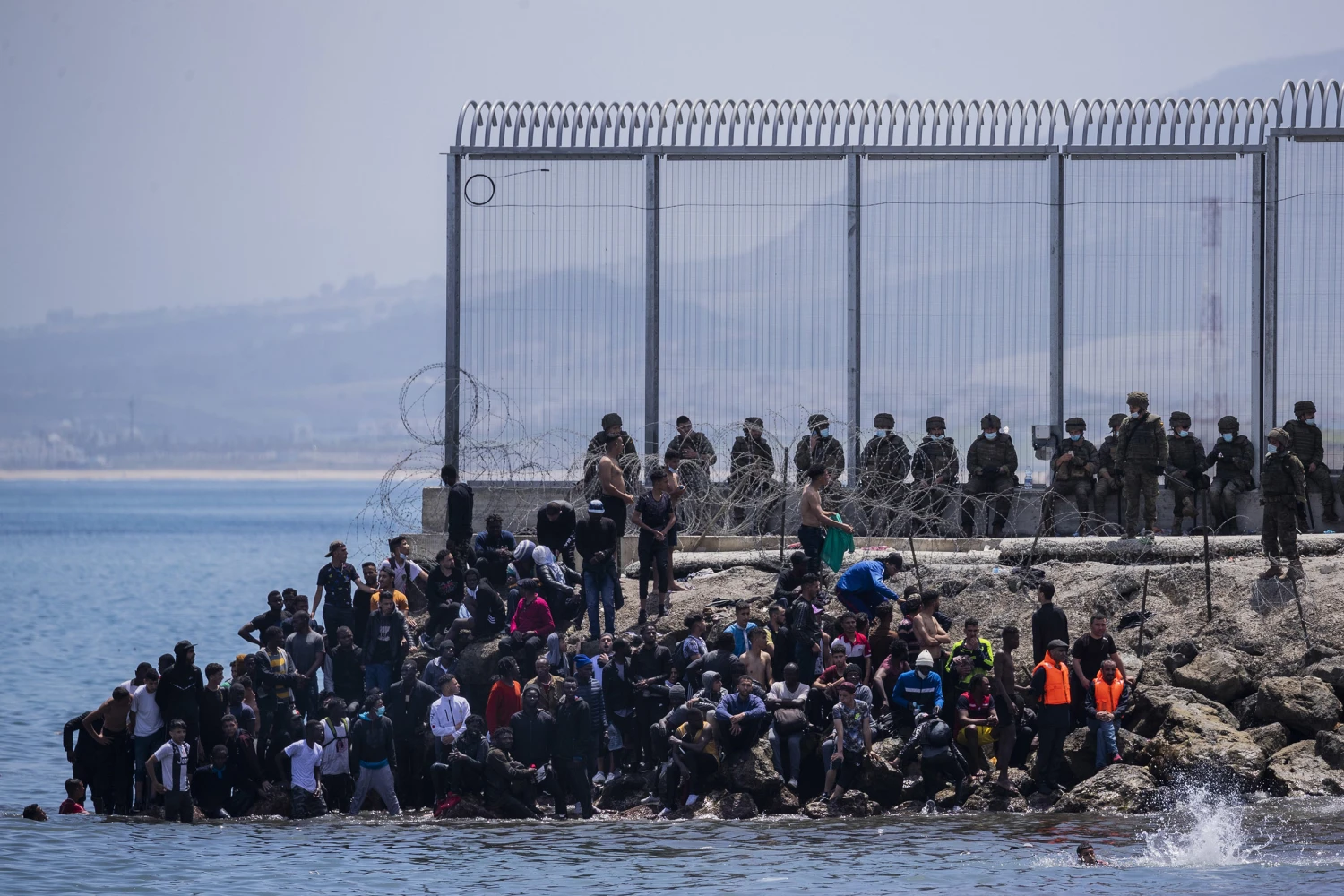
A particularly deadly trend emerged in Ceuta, where at least 40 migrants died attempting to swim across using diving suits and flippers. The Spanish enclave registered 3,396 irregular entries by land in 2025, representing a 42% increase from 2,386 in 2024.
“We have seen a considerable increase in attempts to reach Ceuta and tragedies during the maritime crossing,” stated Caminando Fronteras. The organization recorded 139 victims on this route, with 24% being children and adolescents.
El Hierro bore the heaviest burden among Spanish territories, receiving approximately 10,600 people throughout 2025. This figure nearly equals the island’s total population of 11,993 residents, creating severe infrastructure strain.
Accommodation facilities faced critical overcrowding across Spanish territories. Ceuta’s temporary migrant center, designed for 512 people, housed around 900 during peak summer arrivals. The situation proved even worse for unaccompanied minors, with 560 children crammed into facilities built for just 132.
According to UNHCR data, most migrants reaching Spain via the Canary route originated from Mali (36.8%), Senegal (25%), and Guinea (11.7%). Irregular arrivals represent only 6% of total foreign entries into Spain, with 70-80% of boat arrivals requesting asylum due to conflicts, persecution, or human rights violations in their home countries.
Mainland Spain recorded 7,787 maritime arrivals, down 9.4% from 8,598 in 2024. Melilla saw a 181% increase in land entries, rising from 116 to 327 people, while maintaining minimal sea arrivals.
The figures underscore a stark dual reality: the growing effectiveness of Spanish-Moroccan coordination in suppressing irregular migration flows, and the unchanged peril confronting those seeking refuge in Europe.
As established routes tighten, displacement does not disappear – it is rerouted, pushing migrants toward increasingly perilous pathways where risk multiplies even as visibility declines.
Read also: Moroccans Make Up 81% of Spain’s Seasonal Workforce Recruited in 2025