
Published on
December 28, 2025
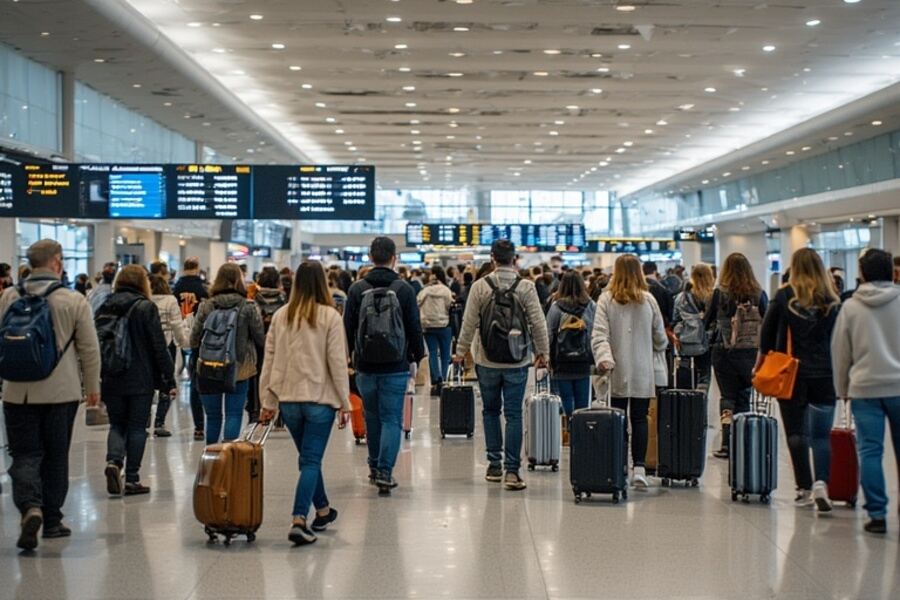
Thousands of passengers were grounded across Europe as 2,753 flight delays and 120 cancellations disrupted travel in Denmark, Spain, the Netherlands, Finland, Ireland, France, and more. The chaos, which primarily impacted airlines like Finnair, Air France, SAS, Iberia, and British Airways, was driven by severe weather conditions, including snowstorms and icy conditions, at major airports such as Copenhagen, Helsinki, Madrid, Geneva, and Manchester during the peak New Year holiday season. These disruptions not only caused significant delays and cancellations but also left travelers stranded at some of Europe’s busiest airports, as operational challenges combined with the seasonal surge in passenger numbers heightened the impact. The ripple effects of this massive disruption were felt across the continent, with thousands of passengers scrambling to adjust their travel plans amid the ongoing chaos.
As Europe faces severe weather conditions and operational difficulties, thousands of travelers have found themselves grounded across major airports during the busy holiday season. On a single day, a staggering 120 flights were canceled, and more than 2,700 experienced delays, causing major disruptions across some of Europe’s busiest hubs. From the icy winds of Finland to the festive rush in Spain, this travel chaos has had a ripple effect on airlines like Finnair, Air France, British Airways, Iberia, and SAS, with several key airports such as Copenhagen, Madrid, and Manchester witnessing the most significant delays.
Europe’s Airport Chaos: A Snapshot of Disruptions
The scale of flight disruptions across Europe in the New Year holiday season is unmatched, affecting travelers from different corners of the continent. The situation worsened due to weather-related disruptions, primarily driven by snowstorms, icy conditions, and operational challenges in airports dealing with an influx of passengers. As more than 120 flights were canceled, passengers were left stranded and forced to make last-minute changes to their travel plans. Meanwhile, the delays, affecting thousands, are a direct consequence of severe weather conditions and tight operational schedules.
Flight Cancellations and Delays: A Breakdown
| Airport | Cancelled # | Cancelled % | Delayed # | Delayed % |
|---|---|---|---|---|
| Brussels (BRU) | 6 | 2 | 55 | 25 |
| Copenhagen (CPH) | 3 | 0 | 95 | 26 |
| Rovaniemi (RVN) | 13 | 22 | 24 | 41 |
| Helsinki-Vantaa (HEL) | 8 | 3 | 78 | 36 |
| Helsinki-Vantaa (HEL) | 13 | 5 | 97 | 43 |
| Charles de Gaulle (CDG) | 3 | 0 | 300 | 47 |
| Frankfurt International (FRA) | 4 | 0 | 143 | 26 |
| Dublin International (DUB) | 3 | 0 | 139 | 38 |
| Amsterdam Schiphol (AMS) | 15 | 2 | 287 | 43 |
| Malaga (AGP) | 10 | 3 | 111 | 40 |
| Barcelona International (BCN) | 4 | 0 | 215 | 45 |
| Madrid-Barajas (MAD) | 3 | 0 | 150 | 24 |
| Geneva Cointrin (GVA) | 3 | 1 | 104 | 37 |
| London Heathrow (LHR) | 6 | 0 | 192 | 30 |
| Manchester (MAN) | 3 | 1 | 120 | 40 |
Airlines Affected by Delays and Cancellations
Europe’s most prominent airlines also felt the brunt of the disruptions, with some of the region’s leading carriers like Finnair, Air France, and British Airways being the most affected. Operational challenges, including limited ground support and adverse weather conditions, have contributed to massive delays, particularly for flights departing from northern and western Europe.
| Airline | Cancelled # | Cancelled % | Delayed # | Delayed % |
|---|---|---|---|---|
| Brussels Airlines | 6 | 3 | 64 | 38 |
| Finnair | 21 | 6 | 138 | 44 |
| Air France | 6 | 0 | 303 | 45 |
| Wizz Air | 2 | 0 | 159 | 27 |
| Scandinavian Airlines (SAS) | 4 | 3 | 21 | 18 |
| Aer Lingus | 2 | 1 | 44 | 22 |
| Cityjet | 2 | 2 | 19 | 23 |
| Wizz Air Malta | 2 | 0 | 124 | 18 |
| KLM | 26 | 4 | 276 | 43 |
| SAS Link | 2 | 2 | 17 | 22 |
| Braathens Regional Airways | 2 | 2 | 16 | 23 |
| Vueling Airlines | 3 | 0 | 288 | 45 |
| Iberia | 2 | 0 | 55 | 20 |
| Helvetic | 2 | 3 | 15 | 25 |
| easyJet | 13 | 0 | 666 | 43 |
| British Airways | 3 | 0 | 190 | 28 |
Weather and Operational Challenges: The Leading Causes of Chaos
The primary factors contributing to this disruption are a mix of severe weather and operational challenges, both exacerbated by the holiday rush. Snowstorms and icy conditions blanketed parts of Northern and Central Europe, leading to hazardous travel conditions on the roads and at airports. These weather patterns, along with already packed airports during the New Year holiday season, led to backlogs and subsequent delays. Airlines were forced to ground flights as a safety precaution, and many had to operate with fewer staff due to local restrictions or limited capacity at some airports.
In addition to the weather-related issues, operational challenges such as technical failures and overbooked flights added to the complications. Many airports, particularly in the Nordic region, were overwhelmed with an influx of travelers heading home for the holidays. While several airports struggled with staffing shortages, others were simply not equipped to handle the surge in passenger volume.
Disruptions Across Major European Hubs
Some of the most heavily impacted airports include:
- London Heathrow (LHR): As one of the busiest airports in Europe, Heathrow was plagued with a significant number of delays, impacting travelers from across the globe. More than 370 flights were delayed, with at least 6 flights canceled due to the snowstorm that blanketed much of the UK.
- Amsterdam Schiphol (AMS): The iconic Schiphol airport faced significant operational issues, with 31 flights canceled and hundreds more delayed. Amsterdam’s unique geographical location and unpredictable weather patterns left travelers stranded, especially those flying with KLM, the national carrier, which accounted for the most significant portion of delays.
- Madrid-Barajas (MAD): As Spain’s busiest international airport, Madrid saw its own fair share of disruptions. With over 150 delayed flights and 4 canceled services, travelers to and from Madrid were forced to adjust their plans. The delays were exacerbated by ongoing operational challenges.
- Geneva Cointrin (GVA): Geneva faced a double blow with weather-related delays coupled with staffing shortages, impacting around 104 flights. The Swiss city’s airport, a gateway for travelers from the Alps, saw considerable delays for both inbound and outbound flights.
- Copenhagen (CPH): As a major Scandinavian hub, Copenhagen’s airport also felt the effects of snowstorms. While the airport managed to keep cancellations low, it still had 95 delayed flights and had to contend with the snow clearing process that slowed operations for hours.
A Slow Start to the New Year for Many Passengers
As travelers scrambled to rebook flights and adjust to longer waiting times, airlines and airports worked hard to manage the disruptions. Passengers in affected areas were advised to check flight statuses before heading to the airport, with many relying on real-time updates for information.
Many passengers traveling between European cities for the New Year celebrations found themselves stranded at airports for longer than anticipated. For many, the spirit of the season was dampened as hours of waiting turned into frustration. However, the staff at most airports worked tirelessly to assist those affected by the delays, ensuring that as many people as possible could get to their destinations in time.
The Impact on the Aviation Industry and the Future of Air Travel in Europe
This massive disruption highlights the vulnerability of the aviation industry to weather conditions and operational challenges, particularly during peak travel seasons. As airlines continue to modernize and increase capacity, they must also prepare for more robust contingency plans during the winter months. While the increased volume of passengers is expected in the coming years, it is essential for both airports and airlines to improve their systems to handle such levels of traffic more efficiently.
As Europe gears up for the coming months, the aviation sector must invest in better infrastructure, technology, and staff management to minimize the impact of similar disruptions in the future.
What Travelers Can Do During Flight Disruptions
Travelers are urged to:
- Check for flight updates regularly: Given the fluid nature of cancellations and delays, it’s crucial to stay informed about the latest updates.
- Consider alternative airports: Depending on your destination, rerouting through a nearby city may be an option.
- Contact airlines: For those whose flights were canceled or delayed, airlines typically offer compensation or rescheduling options.
Despite these efforts, the aftermath of the chaos will likely resonate for days as passengers continue to recover from the disruption. However, the New Year holiday season in Europe reminds us how critical it is to be prepared for the unexpected.
Thousands of passengers were grounded across Europe as 2,753 flight delays and 120 cancellations disrupted travel, caused by severe weather conditions and operational challenges during the holiday rush. Key airports like Copenhagen, Helsinki, Madrid, Geneva, and Manchester faced the brunt of the chaos, affecting airlines including Finnair, Air France, SAS, Iberia, and British Airways.
With severe weather conditions and an overwhelming number of operational challenges, Europe’s airports were hit hard this holiday season, leaving thousands of passengers stranded and frustrated. From Brussels to Helsinki, from KLM to British Airways, the ripple effects were felt across the region. While the future of travel may see more disruptions, the resilience of passengers, airport staff, and airlines shows that overcoming such challenges is always a team effort.
