
Published on
December 12, 2025
In a significant shift for British travellers heading to the Schengen Area this winter, the European Union has rolled out its new Entry/Exit System (EES), which includes biometric data registration for non-EU citizens, including Brits. The new measures come into effect just in time for the holiday season, potentially causing delays and disruptions at airports and border crossings.
Starting from October 2025, British tourists travelling to popular European destinations like Spain, France, and Greece will need to have their biometric data—such as fingerprints and facial photographs—taken when entering the Schengen Area. This system aims to speed up border controls but could still impact travel time, especially for those unfamiliar with the new process.
The UK Foreign, Commonwealth & Development Office (FCDO) issued an alert about this new border procedure, stressing that while fingerprints and photos will be collected, no action is needed in advance. Travellers will complete their EES registration at the border when they arrive in the EU, and the digital record created will be valid for three years.
What Does This Mean for Travellers?
The EES system, which is currently being implemented at several airports in the Schengen Zone, is designed to modernize and streamline the border control process. British tourists and business travellers will likely encounter queues at some airports, as they will need to have their biometric details recorded upon entry. Although this is a significant change, it’s hoped that the system will help reduce waiting times and improve the efficiency of border processing in the long run.
While the new measures are meant to facilitate smoother travel for most, tourists and business travellers should be aware that certain countries in the Schengen Area, including Spain, France, and Greece, will require biometric registration for all UK nationals arriving. The FCDO emphasized that passport stamping will still occur alongside the biometric process for the first six months of EES implementation.
For business travellers, faster border control could be a positive change, as it reduces the time spent waiting at customs. However, it’s important to allow extra time for these procedures, especially during the holiday travel rush.
The Countries Affected by the EES and How It Works
The Entry/Exit System (EES) is currently in use across several countries in the Schengen Area, with plans to expand throughout the region. The following countries are currently or will soon be using EES for entry/exit checks:
- Spain
- France
- Greece
- Italy
- Germany
- Netherlands
- Austria
- Belgium
- Portugal
Travellers from the UK (and other non-EU countries) will need to submit biometric information upon arrival in any of these countries. This includes having their facial photograph and fingerprints taken, which will be linked to the traveller’s passport and stored in a digital database for future reference. The process is part of an effort to strengthen security while facilitating easier cross-border travel.
For short stays (up to 90 days), the system will be used to track the entry and exit of tourists and other non-EU nationals, including British citizens.
Key Points to Remember for British Travellers:
- Biometric data (fingerprints and photos) will be collected on entry.
- The new system will be in place for all UK passport holders travelling to Schengen Zone countries.
- Passport stamping will still happen in the first six months of the rollout.
- The EES record will be valid for three years for re-entry without having to provide biometric data again.
- No action is required before arriving at the border; it is processed upon arrival.
What About Those Exempt from the EES Process?
Certain categories of travellers will not be required to use the EES system. These include:
- Diplomats and official representatives on short stays.
- Non-EU nationals who hold a residence card or long-stay visa.
- Nationals of Andorra, Monaco, and San Marino.
- Individuals with specific privileges, such as heads of state or other individuals with diplomatic immunity.
For most tourists and business travellers, however, the new procedure will be mandatory. It’s essential to plan ahead for border procedures to avoid any surprises when entering a Schengen country.
Impact on Business Travel: A Need for Adjusted Timelines
The EES system may bring about slight delays for business travellers heading to the EU. This is especially true for those who are not used to the biometric registration process at the border. It’s important to remember that even though the system aims to speed up passport control, the initial phases of implementation might cause some backlogs, especially during peak travel seasons such as Christmas or summer holidays.
For companies organizing international business trips, it’s important to adjust timelines and allow for extra time during the border check-in process, particularly for those travelling to high-traffic airports like Paris Charles de Gaulle, Barcelona El Prat, or Rome Fiumicino. As more airports integrate EES, pre-departure planning will be essential.
Quick Tips for UK Tourists and Business Travellers
Here are some tips for a smooth travel experience to the EU:
1. Allow Extra Time for Border Checks
- Expect longer queues and slightly longer wait times for biometric checks. Allow for at least 30 minutes to 1 hour extra time at the border.
2. Ensure Your Passport is Up to Date
- As biometric data is linked to your passport, ensure that your passport is valid and that you’re familiar with the EES process.
3. Understand Your Exemptions
- Check if you are exempt from the EES process based on your travel status (e.g., diplomat, long-stay visa holder).
4. Stay Informed About Travel Updates
- Follow updates from the Met Office, FCDO, and Schengen Area authorities for any changes to entry procedures or additional requirements for your destination.
5. Familiarize Yourself with Schengen Area Rules
- While the EES may seem daunting, understanding the rules beforehand will help ensure a smooth and stress-free travel experience.
Conclusion: The Future of EU Border Control and Travel
The Entry/Exit System (EES) represents a major step toward more efficient and secure border control in the Schengen Area. For British travellers, it’s crucial to understand the new system, its impact on business travel, and how it will affect tourist travel to popular destinations like Spain, France, and Greece. As more countries adopt these measures, the EES system will likely become a permanent feature of EU travel.
For those planning Christmas travel to Europe, knowing what to expect at the border will help ensure your holiday or business trip is not disrupted. By preparing in advance, you can enjoy a smooth, hassle-free travel experience while navigating the new biometric registration process.
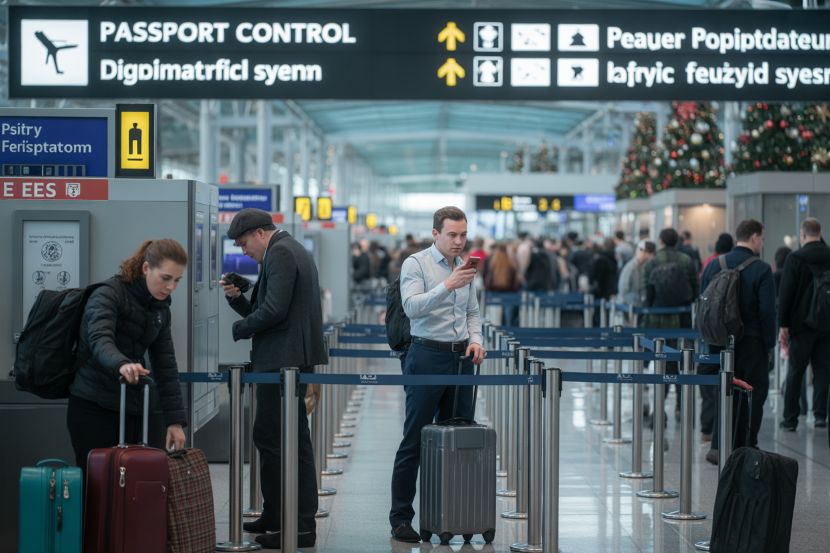
Disclaimer: The Attached Image in This Article is AI Generated
