
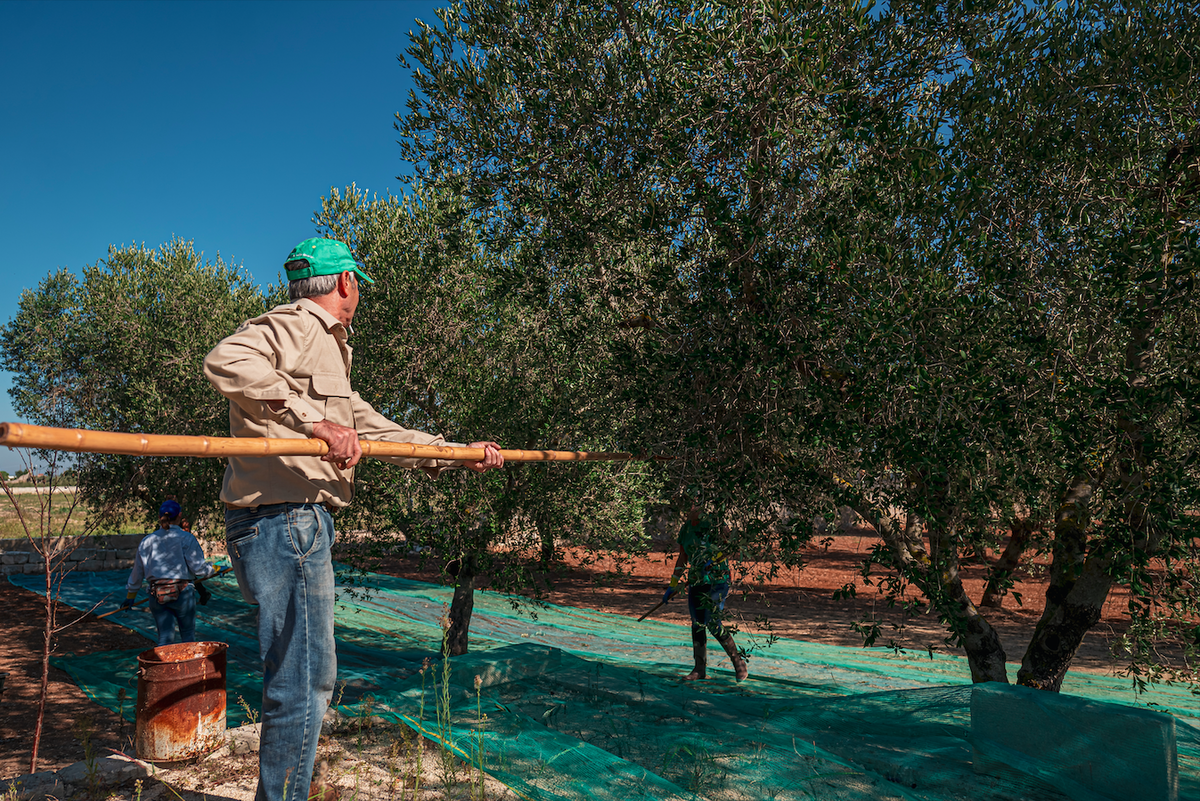
In some provinces, production levels are reported to be significantly lower than last year. photo credit: Sabino Parente/Shutterstock
Spain’s olive oil production has been negatively affected this season by periods of heavy and poorly timed rainfall, particularly in major producing regions such as Andalucia. While rain is essential for olive groves, persistent downpours late in the harvest period have reduced oil yields and slowed collection, contributing to a noticeable decline in output compared with earlier expectations.
Industry data and reports from farming organisations indicate that excessive moisture during December made harvesting more difficult, delaying work in many areas and affecting the oil concentration within the olives. In some provinces, production levels are reported to be significantly lower than last year, reinforcing concerns about overall supply for the current campaign.
Impact on harvest progress
Delays and lower oil yield affect output
Heavy rainfall during the final stages of the harvest left ground conditions too wet for machinery, forcing many producers to pause or slow olive collection. In addition to logistical disruption, excess water at a late stage of fruit development can dilute oil content, meaning more olives are required to produce the same volume of oil.
As a result, some cooperatives report yields well below initial forecasts. Although olive quality has generally been maintained where harvesting was completed on time, overall volumes have suffered, particularly in rain-fed groves that were already weakened by earlier climatic stress.
Seasonal context and prior pressures
A campaign shaped by extreme weather patterns
The difficulties caused by heavy rain followed a period of challenging weather earlier in the year. Prolonged heat and dry conditions during late summer and early autumn placed stress on olive trees, limiting fruit development and oil accumulation before the rains arrived.
Agricultural analysts note that this sequence, drought followed by intense rainfall, is particularly damaging for olive oil production. While rain helped replenish reservoirs and soils for future seasons, its late arrival reduced its benefits for the current harvest.
Effects on supply and stocks
Lower production tightens availability
Reduced output has contributed to tighter olive oil stocks compared with the same point last season. Industry monitoring suggests inventories remain below average, reflecting both weaker production and sustained domestic and export demand.
Spain remains the world’s largest olive oil producer, and even moderate fluctuations in its output have a significant impact on global supply. The current shortfall is therefore being closely watched by markets, distributors and policymakers.
Potential impact on prices
What consumers may see in the coming months
Lower production and tighter stocks are expected to influence prices during the current season. While olive oil prices have eased slightly from the record highs seen in previous years, analysts warn that reduced availability could limit further price declines.
Extra virgin olive oil, in particular, may remain expensive if supply fails to recover later in the campaign. Export demand could also place additional pressure on prices, as international buyers compete for limited volumes of Spanish oil.
What to know about this season’s olive oil outlook
- Heavy and poorly timed rainfall has reduced olive oil yields in parts of Spain
- Harvest delays and diluted oil content have lowered overall production
- Olive oil stocks are tighter than at the same point last year
- Prices are likely to remain firm, especially for extra virgin olive oil
- Weather volatility continues to increase risks for future harvests
Consumer advice and market outlook
Navigating a volatile olive oil market
Consumer organisations recommend that households remain attentive to price differences between retailers, as volatility may increase during the season. Imports from other producing countries may provide limited relief, but are unlikely to fully offset Spain’s reduced output.
For producers and policymakers, the current campaign underlines the growing impact of extreme weather on olive cultivation, reinforcing the need for long-term adaptation strategies as climate variability becomes a defining factor in future harvests.