
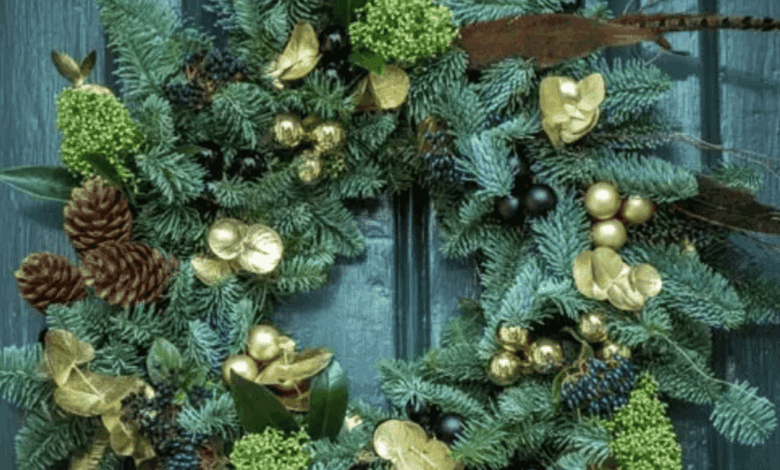
In Spain, December and January are filled with a special atmosphere: the streets shimmer with lights, shop windows are adorned with evergreen arrangements, and the air is scented with cinnamon and citrus. During these weeks, the country celebrates its two most anticipated holidays—Christmas (Navidad) and New Year’s (Año Nuevo). While both events are marked on a grand scale, each has its own character, rituals, and symbols. Yet, they share something in common—a sense of wonder and family warmth, which is especially evident in the tradition of the Christmas wreath.
Christmas: The Roots of Family
Christmas in Spain is more than just a date on the calendar—it’s a whole layer of cultural and religious traditions. On the evening of December 24, families gather for Nochebuena (Holy Night). Special dishes appear on the table, prepared only once a year: roast lamb, seafood, and almond sweets. Traditionally, gifts are exchanged, but the main thing is being together. In some regions, the custom of decorating the home with hay and candles is still observed, and children eagerly await the appearance of the first star to begin the holiday meal.
Christmas symbolism in Spain is incredibly rich. Trees, Belén nativity figurines, candles, and of course the wreath on the door—all these details create a sense of coziness and hope. Here, the wreath is not just decoration, but a reminder of enduring values: love, faith, and family unity.
New Year: A Time for Change
Unlike Christmas, New Year in Spain is a celebration without religious undertones, yet it comes with equally vibrant traditions. On the night of December 31 to January 1, Spaniards gather with friends and family to bid farewell to the old year and welcome the new one. The main ritual is eating 12 grapes to the chimes in Puerta del Sol square (Puerta del Sol) in Madrid. It’s believed that if you manage to swallow all the grapes before the last stroke, the coming year will bring good luck.
Festive tables are brimming with treats, and after midnight the streets fill with fireworks and merriment. New Year is a time to make plans, dream, and wish for the future. At this moment, differences between people disappear: the holiday brings everyone together, regardless of age, faith, or background.
Wreath: a bridge between holidays
The Christmas wreath (corona de Adviento) is one of the most recognizable symbols of the winter holidays in Spain. Its circular shape and evergreen branches signify the infinity of life and hope for better times. Wreaths decorate doorways, tables, and even shop windows. In some families, it’s customary to light candles on the wreath each Sunday in December, counting down the weeks to Christmas.
The history of the wreath dates back to ancient times. In Ancient Rome, laurel wreaths were a sign of victory, while in Scandinavia they symbolized the return of the sun after a long winter. In the Christian tradition, the wreath became a sign of anticipation for the light brought by the birth of Christ. In Spain, this tradition took root relatively recently, but quickly became an integral part of the holiday décor.
Materials and design
A classic Spanish wreath is made from branches of fir, pine, or juniper. It is decorated with pine cones, red berries, ribbons, and candles. In recent years, modern alternatives have become popular, featuring dried flowers, artificial branches, metallic elements, and LED garlands. Each element carries its own meaning: greenery symbolizes life and resilience, pine cones represent abundance, berries stand for joy, and candles embody the light of hope.
You can hang the wreath on your front door to greet guests with a festive spirit, or place it on the table to serve as the centerpiece for family gatherings. In some homes, wreaths adorn fireplaces or windows, adding a cozy and magical touch to the interior.
Traditions across regions
The Christmas wreath takes on different forms throughout Spain. In Catalonia and Galicia, it is decorated with ribbons and apples; in Andalusia, with gold and red details; and on the Balearic Islands, with seashells. In Madrid and Barcelona, wreaths are often minimalist, with an emphasis on natural materials. In rural areas, people prefer classic, lush wreaths with plenty of decorations.
In recent years, wreaths have also become a New Year tradition. They are used not only as Christmas symbols but also as New Year’s décor, highlighting the link between the two holidays. The wreath has become a universal symbol of family comfort and the anticipation of miracles, bringing people together during these special days.
Messages for the family
Ahead of the holidays, many Spanish families exchange greetings and best wishes. Cards often feature wreaths, Christmas trees, and candles—symbols associated with warmth and care. During these days, it is customary to thank loved ones for their support, share joy, and make plans for the future. The festive atmosphere fills homes with laughter, the aroma of fresh pastries, and the anticipation of something good.
Christmas and New Year in Spain are not just about tradition—they are a chance to pause, reflect, and feel part of something greater. A wreath hanging on the door or displayed on the table reminds us that miracles happen where there is love and unity.